




How to Choose the Right OEM Kitchenware Manufacturer for Your Brand
Choosing an OEM kitchenware manufacturer is a strategic sourcing decision, not just a purchasing task. For brands, retailers, and distributors, the right partner can help turn a product concept into a practical, market-ready item with suitable materials, packaging, and production planning. The wrong partner can create delays, inconsistent quality, weak communication, or products that do not match customer expectations.
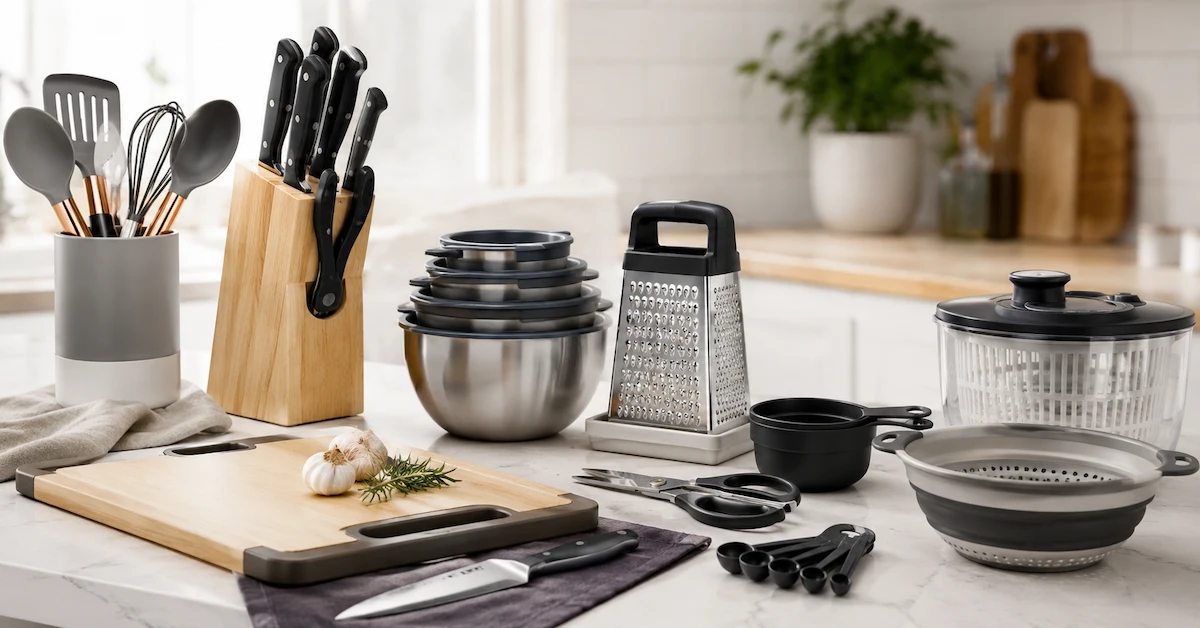
OEM cooperation is often used when a business wants more control than standard wholesale buying can provide. Instead of selecting only from a catalog, buyers may request custom colors, shapes, logo printing, packaging design, product combinations, or retail-ready solutions. This guide explains how to evaluate a kitchenware OEM supplier before committing to samples or mass production.
Key Takeaways
- Assess the manufacturer’s product development support, not only its existing catalog.
- Confirm material options, customization limits, quality control steps, and packaging capabilities in writing.
- Use samples to check appearance, function, durability, and packaging before approving production.
- Ask direct questions about capacity, lead times, order handling, and repeat-order consistency.
Why Brands Work With OEM Kitchenware Manufacturers
The kitchenware market is competitive, and buyers compare products by appearance, function, durability, perceived value, and brand fit. A generic product may be easy to source, but it can be difficult to differentiate. OEM manufacturing gives brands more influence over details such as product structure, finish, color, accessories, packaging, and assortment planning.
Private-label brands also use OEM production to build a more consistent product identity. Custom packaging, coordinated product sets, and exclusive design details can help a retailer or distributor avoid competing only on price. However, customization also adds sourcing complexity, so the supplier must be able to manage product development, sampling, production, and inspection clearly.
Core Capabilities to Evaluate First
A professional OEM kitchenware manufacturer should be able to support more than basic production. Before discussing price, ask whether the supplier can help with product structure improvement, material recommendations, function optimization, prototype development, and sample production. These early steps reduce the risk of discovering design problems after tooling, packaging artwork, or bulk production has started.
Material knowledge is especially important for kitchen products because material choice affects weight, feel, cleaning, durability, and user experience. Common kitchenware materials include stainless steel, silicone, plastic, bamboo, wood, and composite materials. Do not assume that every supplier can produce every material equally well. Ask which materials they regularly handle, what options are suitable for your product positioning, and what documentation they can provide for your market requirements.
OEM Supplier Comparison Checklist
| Evaluation Area | What to Check | Questions to Ask |
|---|---|---|
| Product development | Design input, prototypes, samples, structure improvement | Can you review our concept and suggest manufacturable changes? |
| Materials | Available materials, limitations, finishing options | Which materials do you commonly use for this product type? |
| Customization | Colors, shapes, logos, packaging, product sets | What can be customized, and what requires new tooling or extra time? |
| Quality control | Incoming material checks, in-process inspection, final inspection | What inspection steps are used before shipment? |
| Production planning | Capacity, lead time, repeat orders, schedule management | How do you manage production schedules during busy periods? |
| Communication | Response speed, technical clarity, documentation | Who will handle our project, and how are changes confirmed? |
How to Judge Manufacturing Experience
Kitchenware products often involve several processes, including material processing, assembly, surface finishing, and packaging. An experienced manufacturer should understand where common problems occur, such as color inconsistency, weak assembly points, poor surface finish, inaccurate logo placement, or packaging that does not protect the product during shipping.
Ask for examples of similar product categories they have produced, but avoid relying on photos alone. Product images cannot show every manufacturing detail. Request samples when possible, and evaluate whether the sample reflects the quality level you would accept in a retail environment. If the sample is not acceptable, ask whether the problem is a prototype limitation or a true production limitation.
Quality Control Questions Buyers Should Ask
Quality control is one of the most important factors in OEM sourcing. Kitchenware products must meet customer expectations for appearance, function, durability, and safety. A reliable supplier should have inspection procedures covering raw materials, production processes, finished products, and packaging. Because requirements vary by product and destination market, buyers should ask for clear process information rather than assuming compliance.
- What checks are performed before production begins?
- How are defects recorded and corrected during production?
- Is there a final inspection before goods are packed or shipped?
- Can the supplier provide inspection photos or reports for each order?
- How are packaging defects, color differences, or logo issues handled?
If your market requires specific testing, labeling, or documentation, raise those requirements at the quotation stage. Do not wait until production is complete to discuss standards, because late changes can affect cost, timing, and product approval.
Understanding the OEM Manufacturing Process
A typical OEM kitchenware project begins with a product requirement discussion. The buyer should provide the target market, product concept, design preferences, price expectations, packaging requirements, and any retail channel needs. The more specific the brief, the easier it is for the supplier to recommend suitable options.
The next stage is product development. The manufacturer may work on design adjustments, material selection, prototype samples, and function testing. After that, the buyer reviews samples for appearance, performance, quality, and packaging. Changes should be confirmed before mass production begins. Once production starts, both sides need an agreed schedule, approval records, and inspection expectations. After production, final packaging and shipment preparation should be checked against the approved sample and purchase order.
Common Mistakes When Selecting a Supplier
Many sourcing problems begin when buyers choose only by the lowest price. A low quote may be attractive, but it can also hide limited customization, unstable quality, poor communication, or packaging that is not suitable for retail distribution. Price matters, but it should be compared with capability, quality expectations, service scope, and long-term reliability.
Another common mistake is approving production based only on online catalog listings. Catalog products may not reflect the exact finish, material, weight, packaging, or logo method you need. Always clarify what is standard, what is customized, and what must be newly developed. For private-label kitchenware, written confirmation is essential for colors, artwork, packaging layout, product combinations, and approved samples.
Practical FAQ
What is an OEM kitchenware manufacturer?
An OEM kitchenware manufacturer produces kitchen products according to a buyer’s requirements. This may include customized design details, materials, colors, logo application, packaging, or product sets.
How is OEM different from buying wholesale kitchenware?
Wholesale purchasing usually means choosing existing products with limited changes. OEM sourcing gives the buyer more control over product specifications and branding, but it also requires clearer communication, sampling, and approval steps.
Should I ask for samples before placing a bulk order?
Yes. Samples help you check appearance, function, material feel, logo placement, packaging, and overall workmanship before committing to mass production.
What should I confirm before production starts?
Confirm the approved sample, materials, colors, logo method, packaging design, order quantity, inspection requirements, lead time, and how changes will be documented.
How can I reduce sourcing risk?
Prepare a detailed product brief, compare suppliers using consistent criteria, test samples, ask quality-control questions, and keep written records of all approvals and revisions.
Final Sourcing Advice
The best OEM kitchenware manufacturer for your brand is not simply the cheapest or the largest. It is the supplier that understands your product goals, communicates clearly, supports development, manages quality, and can answer practical sourcing questions before problems occur. Treat supplier selection as a structured evaluation process, and your OEM project will have a stronger foundation from concept to repeat orders.
