




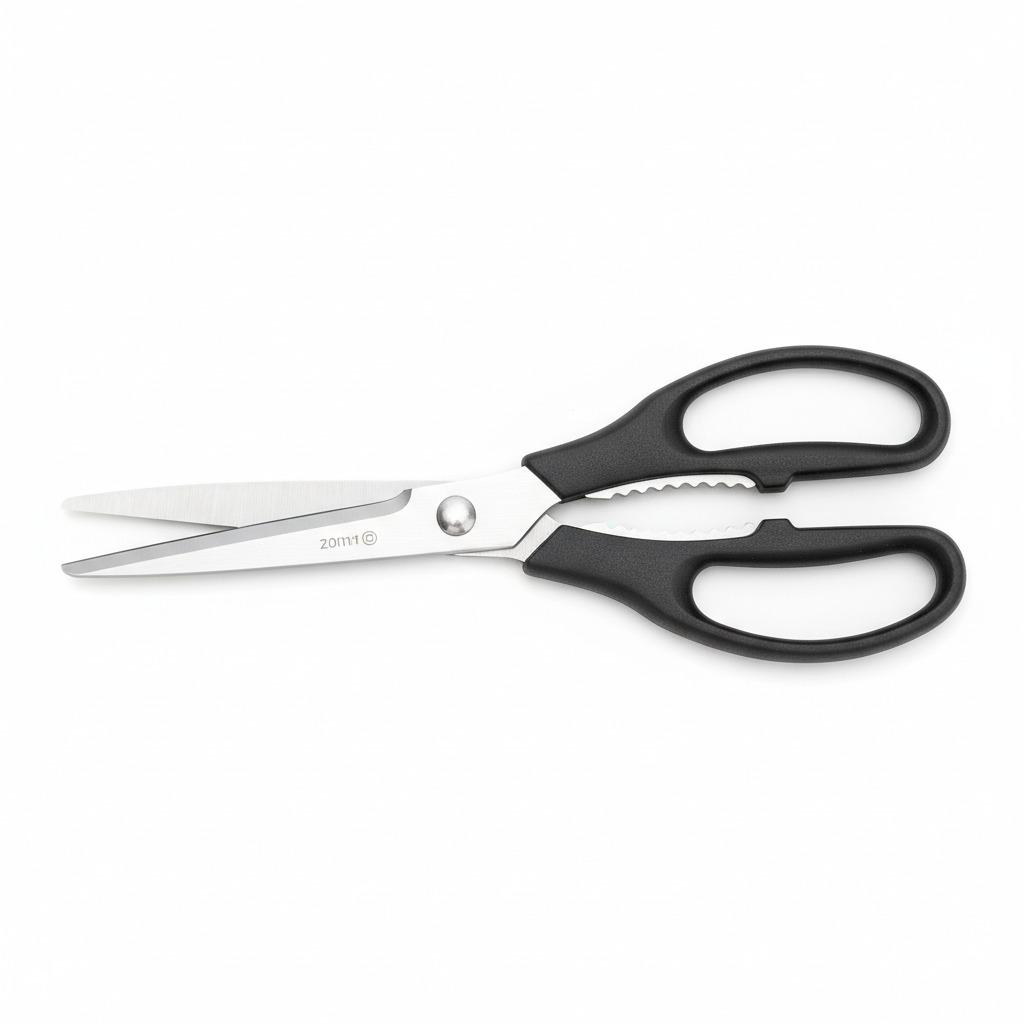

How to Choose the Right Kitchen Shears for Your Cooking Style
Kitchen shears, also called kitchen scissors, are one of the most useful cutting tools in a home kitchen. A good pair can snip herbs, cut parchment, open food packaging, trim fat, portion cooked pizza, or help break down poultry. The right choice depends less on buying the most expensive option and more on matching the tool to the way you actually cook.
This guide explains the main types of kitchen shears, what features matter, how to compare options, and how to keep them clean and sharp. Use it as a practical checklist before replacing an old pair or adding a specialized pair for meat, herbs, or baking.
Key Takeaways
- Choose all-purpose kitchen shears if you want one tool for everyday prep.
- Pick heavier poultry shears when you regularly cut chicken joints, small bones, or tough cartilage.
- Look for take-apart construction if easy cleaning is a priority.
- Handle comfort matters as much as blade sharpness, especially for repetitive prep.
- Do not rely on labels alone; check care instructions, grip feel, blade alignment, and safety features.
Start With Your Cooking Style
Before comparing blade shapes and handle materials, think about your regular kitchen tasks. A cook who mainly prepares salads and herbs needs a different tool than someone who spatchcocks chicken every weekend. If you cook a mix of meals, a balanced all-purpose pair is usually the best first purchase.
For everyday meal prep, look for medium-size shears that feel controlled in the hand and can handle food packaging, herbs, bacon, cooked noodles, and thin vegetables. For meat-heavy cooking, prioritize strength, blade thickness, a secure grip, and a design that allows thorough cleaning after contact with raw poultry. For baking and pastry, lighter shears with precise tips are helpful for parchment, dough trimming, and decorative cuts.
Blade Design: What to Check Before Buying
The blade is the part that determines cutting control, but not every kitchen task needs the same edge. Straight blades are useful for clean cuts on parchment, dough, and delicate ingredients. Serrated or micro-serrated edges can help grip slippery foods such as chicken skin, herbs, or fish. A notch near the hinge is common on some poultry-focused shears and can help hold small bones or joints in place while cutting.
When possible, open and close the shears before buying. The movement should feel smooth rather than loose or gritty. The two blades should meet evenly from base to tip. If they flex away from each other, they may crush food instead of cutting it cleanly. A pointed tip gives more precision, while a rounded tip can feel safer for general household use.
Handle Comfort and Control
Handles are easy to overlook, but they determine whether the shears feel safe and comfortable during real prep work. A handle that is too small can pinch the fingers. One that is too large can reduce control. If more than one person will use the shears, choose a design that suits different hand sizes.
Look for a secure grip, especially if you plan to cut meat or rinse ingredients while cooking. Smooth handles can become slippery when wet or greasy. If you are left-handed, check whether the handle shape and blade orientation are comfortable for left-hand use. Some shears are more neutral than others, but it is best to test the motion rather than assume.
Comparison Checklist by Kitchen Task
| Cooking Need | Best Shear Type | Useful Features to Look For | Questions to Ask Before Buying |
|---|---|---|---|
| Everyday prep | All-purpose kitchen shears | Comfortable grip, balanced weight, easy cleaning | Will they cut herbs, packaging, and cooked foods cleanly? |
| Herbs and garnish | Lightweight shears or herb scissors | Fine control, sharp edge, easy residue removal | Can small leaves be cleaned from between the blades? |
| Poultry and meat | Heavy-duty poultry shears | Strong hinge, secure handle, possible bone notch | Are they designed for raw meat cleanup and safe storage? |
| Baking and pastry | Precision shears | Pointed tips, lighter weight, smooth cutting action | Do they cut parchment and dough without tearing? |
| Shared family kitchen | General-purpose shears with guard | Safety lock or sheath, intuitive opening, easy grip | Can all users handle and store them safely? |
Cleaning, Hygiene, and Food Safety Habits
Kitchen shears touch many types of food, so cleaning should be part of the selection process. Take-apart shears are popular because the blades separate, making it easier to wash around the hinge where food residue can collect. If the shears do not separate, inspect the pivot area carefully and clean it with extra attention.
Always wash shears after cutting raw meat, poultry, or fish. Use hot water and dish soap, then dry the tool completely before storage. If a product is marked dishwasher-safe, follow the supplier’s care instructions; however, hand washing may still help protect the edge and hinge over time. Avoid leaving shears soaking in the sink, where the edge can be damaged and the tool can become a safety hazard.
Storage and Maintenance Tips
Even durable kitchen shears perform better when stored correctly. A sheath, blade guard, drawer organizer, or wall hook helps protect both the edge and your hands. Tossing shears loosely into a crowded utensil drawer can dull the blades and make them risky to grab.
- Dry the hinge area before putting shears away.
- Use shears only for appropriate kitchen tasks, not wire, cardboard, or garden stems unless the product is designed for them.
- Check the screw or pivot occasionally if the design allows adjustment.
- Sharpen or replace shears when they crush herbs, slip on skin, or require excessive force.
- Keep a separate pair for raw meat if your kitchen routine makes cross-contamination difficult to manage.
When One Pair Is Not Enough
Many kitchens can work well with one quality all-purpose pair. However, separate shears can make sense if you cook frequently or prepare very different foods. For example, a general pair can handle packaging and herbs, while a sturdier pair is reserved for poultry. This separation reduces wear and makes cleaning routines clearer.
If you are buying for a household, restaurant prep area, cooking class, or other shared kitchen, think in terms of task categories. Ask whether the supplier provides clear care instructions, replacement guidance, packaging options, and accurate product details. Avoid assuming a feature is included unless it appears in the product information or is confirmed by the seller.
Practical FAQ
Are kitchen shears the same as regular scissors?
No. Kitchen shears are intended for food preparation and are usually designed with stronger blades, easier cleaning, and a grip suited to kitchen tasks. Regular household scissors may be harder to sanitize and may not cut food cleanly.
Should I choose take-apart kitchen shears?
Take-apart shears are a good choice if you cut meat, poultry, herbs, or sticky foods. They make the hinge easier to clean. If you choose fixed shears, be extra careful when washing around the pivot.
Do I need poultry shears?
You need poultry shears if you often cut through chicken joints, spatchcock birds, or trim tougher meat sections. For simple packaging, herbs, and cooked foods, all-purpose kitchen shears are usually enough.
How do I know when kitchen shears need sharpening?
They may need sharpening when they slide off chicken skin, bruise herbs, tear parchment, or require too much hand pressure. If the hinge is loose or the blades are damaged, replacement may be safer than sharpening.
What is the best kitchen shear for most home cooks?
For most home cooks, the best choice is an all-purpose pair with comfortable handles, smooth blade action, easy cleaning, and safe storage. Choose specialized herb or poultry shears only if those tasks are part of your regular cooking routine.
