




How to Deep Clean Silicone: Removing Stains and Odors
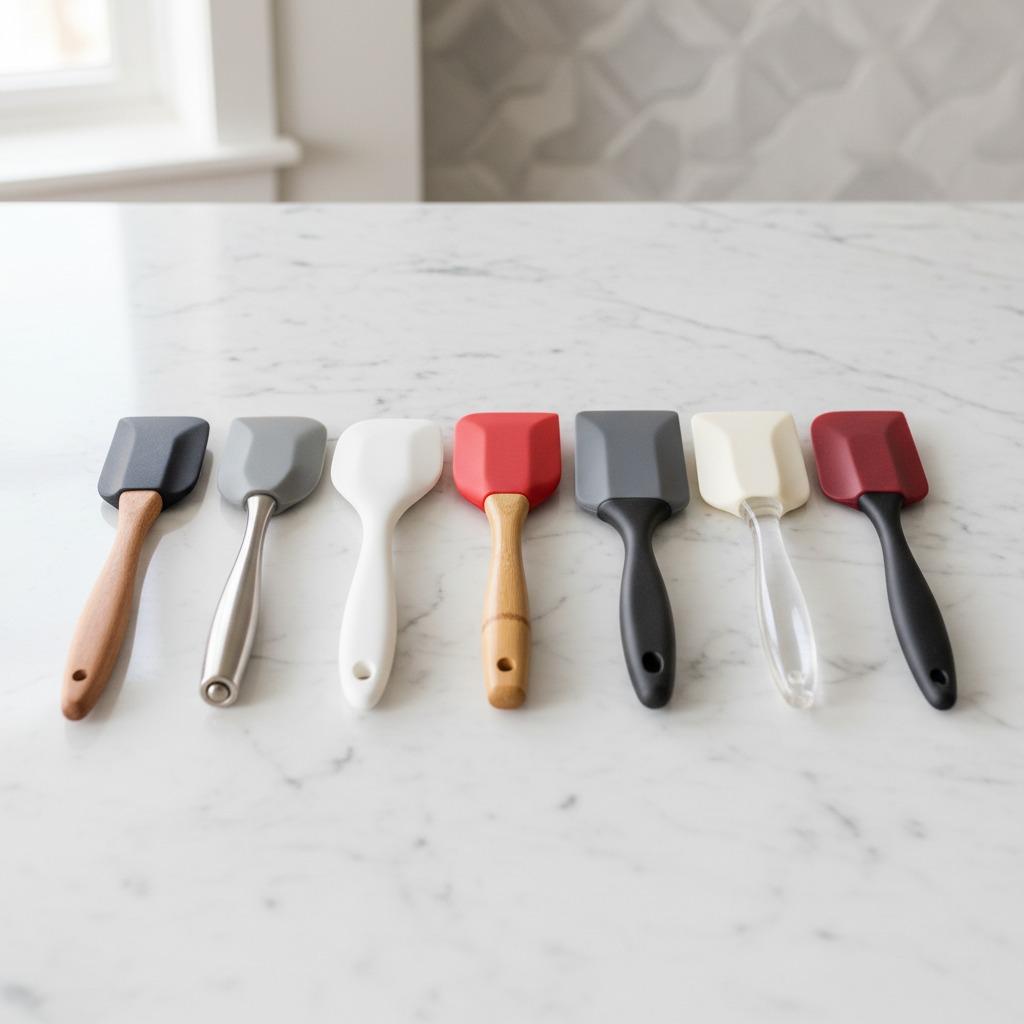
Silicone kitchenware is used for spatulas, baking mats, muffin cups, molds, ice cube trays and food storage accessories because it is flexible and easy to handle. Yet regular dishwashing does not always remove the stains and smells that build up after contact with tomato sauce, turmeric, curry, garlic, onions, cooking oil or freezer storage. A tool can look clean but still feel greasy or carry a stale odor.
The good news is that most cleaning problems can be solved with a careful process rather than harsh scrubbing. The aim is to remove surface grease first, then treat stains or odors with the right method. Below is a practical guide for deep cleaning silicone kitchenware at home, plus prevention habits that help keep it fresh for longer.
Key Takeaways
- Always wash silicone with hot water and grease-cutting dish soap before trying deeper treatments.
- Baking soda paste is useful for visible food stains such as tomato, curry and turmeric marks.
- White vinegar soaks help reduce lingering odors from garlic, freezer storage and oils.
- Use oven heat only on items that the manufacturer confirms are oven-safe.
- Avoid steel wool, knives and aggressive abrasives because scratches can trap residue.
Why Silicone Can Stain or Hold Odors
Silicone is often described as non-porous, but oils, pigments and strong-smelling food residues can cling to its surface. Tomato-based sauces, pesto, chili oil, turmeric, roasted garlic and fatty foods are common causes. In the freezer, silicone trays or containers can also pick up odors from surrounding foods if they are not sealed or fully dry.
Another common issue is a slippery or sticky film. This usually comes from oil that was not fully removed during washing. If the film remains, it can hold smells and attract more staining during the next use. That is why deep cleaning should start with degreasing, not with stain treatment.
Before You Start: Check the Item
Before using hot water, long soaks or oven heat, inspect the product. Look for any care instructions from the seller or manufacturer. If the item has attached wood, metal, adhesive parts, printed decoration or a non-silicone frame, clean more cautiously and test in a small area first.
For consumer use, the safest approach is to match the cleaning method to the problem. A light odor does not need hydrogen peroxide. A tomato stain does not require oven heat. Start with the mildest option and repeat if needed.
Cleaning Method Comparison Table
| Method | Best For | Typical Time | Use With Care When |
|---|---|---|---|
| Hot water and dish soap | Grease film and daily residue | 5-10 minutes | Item has seams or attached handles |
| Baking soda paste | Tomato, curry and turmeric stains | 1-2 hours | Surface is printed or decorated |
| White vinegar soak | Garlic, onion and freezer odors | 4-24 hours | Item includes non-silicone components |
| Hot lemon water | Light stains and oily smells | 30 minutes | Item cannot tolerate heat |
| 3% hydrogen peroxide | Stubborn yellow or brown discoloration | Up to 24 hours | Colorfastness is unknown |
| Low oven heat | Persistent odors after washing | 20-30 minutes | Item is not confirmed oven-safe |
Step-by-Step Deep Cleaning Process
1. Degrease first. Fill a sink or basin with hot water and add a grease-cutting dish soap. Wash the silicone item with a soft sponge or soft brush. Pay attention to corners, raised patterns and edges, where oil often remains. Rinse well. If it still feels slippery, wash again before moving to the next step.
2. Treat stains with baking soda. Mix baking soda with a small amount of water to create a thick paste. Spread it over stained areas and let it dry for one to two hours. Once dry, gently scrub with a damp sponge and rinse. This method is helpful for food pigments without using a harsh abrasive.
3. Use vinegar for odor. For silicone that smells like garlic, onions or freezer storage, soak it in a one-to-one mixture of white vinegar and water. A short soak may work for light odor, but stronger smells may need several hours or overnight. Rinse thoroughly afterward and wash again with dish soap if a vinegar smell remains.
4. Try hot lemon water for combined residue. Slice two or three lemons and place them in hot water, or simmer them in a pot and pour the hot lemon water over the silicone item in a heat-safe container. Let it sit for about 30 minutes, then wash and rinse. Lemon can help cut oily residue while leaving a fresher scent.
5. Consider hydrogen peroxide for discoloration. If yellowing or brown stains remain, soak the affected area in 3% hydrogen peroxide for up to 24 hours. Rinse very well afterward. This is best reserved for stubborn discoloration and should be tested first on colored or printed silicone.
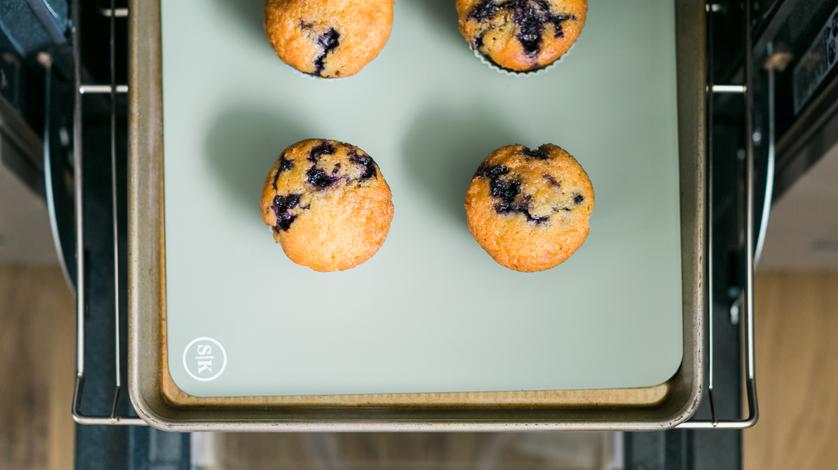
6. Use oven heat only when appropriate. If odors persist after washing and soaking, some oven-safe silicone items can be placed on a baking sheet and heated at 250°F or 120°C for 20 to 30 minutes. Do not use this method unless the product is confirmed oven-safe, and never apply it to items with plastic, wood, metal or unknown attachments.
How to Prevent Future Stains and Odors
Prevention is easier than deep cleaning. Rinse silicone soon after contact with heavily pigmented foods. Avoid leaving tomato sauce, curry, chili oil or garlic-heavy mixtures in silicone containers for long periods. If you are storing food in the freezer, make sure the silicone item is completely dry first and covered where possible.
- Wash oily items separately from lightly used kitchen tools.
- Air-dry completely before stacking or storing.
- Store away from strong-smelling foods, cleaning products and damp cabinets.
- Use a soft sponge instead of steel wool or scouring pads.
- Check care instructions before using a dishwasher, oven or long chemical soak.
If stains appear frequently, consider how the item is being used. Silicone molds used for tomato sauces or spice-heavy foods may discolor faster than those used for baking or ice. Keeping separate tools for strong flavors can reduce odor transfer.
When Cleaning Is Not Enough
Deep cleaning can remove many stains and odors, but it cannot repair cuts, burned areas, torn edges or surfaces damaged by sharp tools. If silicone has cracks, a persistent rancid smell after repeated cleaning, or a sticky surface that does not improve after degreasing, replacement may be the more hygienic choice.
For buyers comparing new silicone kitchenware, useful questions include: What care instructions are supplied? Is the item suitable for dishwasher or oven use? Are there any parts made from other materials? What temperature range does the supplier state for the product? Clear answers help you choose products that match your cooking and cleaning habits.
FAQ: Cleaning Silicone Kitchenware
Can I use bleach on silicone kitchenware?
Bleach is not the first choice for routine silicone cleaning. Start with dish soap, baking soda, vinegar or lemon water. If you are considering stronger chemicals, follow the product care instructions and rinse extremely well.
Why does my silicone still feel greasy after washing?
Oil residue may remain if the water was not hot enough or the soap did not cut grease effectively. Wash again with hot water and grease-cutting dish soap, then rinse thoroughly and air-dry.
Is baking soda safe for silicone?
Baking soda is commonly used as a mild cleaner. Use it as a paste with a soft sponge, not with aggressive scrubbing tools. Test first on printed or decorative surfaces.
How often should I deep clean silicone?
Deep clean only when you notice stains, odors or a greasy film that normal washing does not remove. For everyday care, prompt washing and complete drying are usually enough.
Can silicone go in the dishwasher?
Some silicone kitchenware may be dishwasher-safe, but you should check the care instructions for the specific item. Hand-washing can be gentler, especially for items with attached parts or printed details.
