




How to Safely Clean Adhesive Residue Off Your Scissors
Sticky scissors are common in offices, classrooms, warehouses, craft rooms, and home kitchens. Tape, shipping labels, glue dots, and packaging adhesive can build up on the blades until every cut drags, tears, or leaves a dirty mark. The good news is that most residue can be removed with simple household items, as long as you protect your hands, avoid scratching the metal, and dry the scissors properly afterward.
This guide explains how to clean adhesive residue from office scissors and general-purpose household scissors without relying on harsh scraping. The same care principles apply whether you use scissors for paper, tape, labels, or light packaging tasks. If your scissors are part of a shared workplace supply area, these steps also help keep tools cleaner and easier for the next person to use.
Key Takeaways
- Start with the mildest cleaner that can dissolve the adhesive, such as rubbing alcohol or warm soapy water.
- Use oil only for stubborn residue, then wash and dry the blades so they do not feel slippery.
- Never run your fingers along the cutting edge; wipe from the pivot toward the tip with a folded cloth or cotton pad.
- Dry the scissors immediately after cleaning and add a tiny drop of oil to the pivot if movement feels stiff.
Why Adhesive Residue Should Be Removed
Adhesive on scissor blades is more than a cosmetic problem. It increases friction, pulls fibers from paper or tape, and can make the blades close unevenly. Sticky residue also collects dust, paper fibers, and dirt, which makes the tool feel dull even if the cutting edge is still serviceable.
Leaving glue on the blades for long periods can also make cleaning harder. Fresh tape residue often wipes away with alcohol, while older adhesive may require oil or a dedicated adhesive remover. Regular cleaning is especially useful for office scissors used around shipping stations, labeling areas, reception desks, and craft tables.
Supplies You Can Use Safely
Gather your materials before opening the scissors. Work on a stable surface with good lighting, and place a towel or paper sheet underneath to catch residue. You do not need every item below; choose based on what you have and how stubborn the adhesive is.
- Rubbing alcohol, ideally 70% to 90% isopropyl alcohol
- Cotton pads, cotton swabs, or a soft cloth
- Mild dish soap and warm water
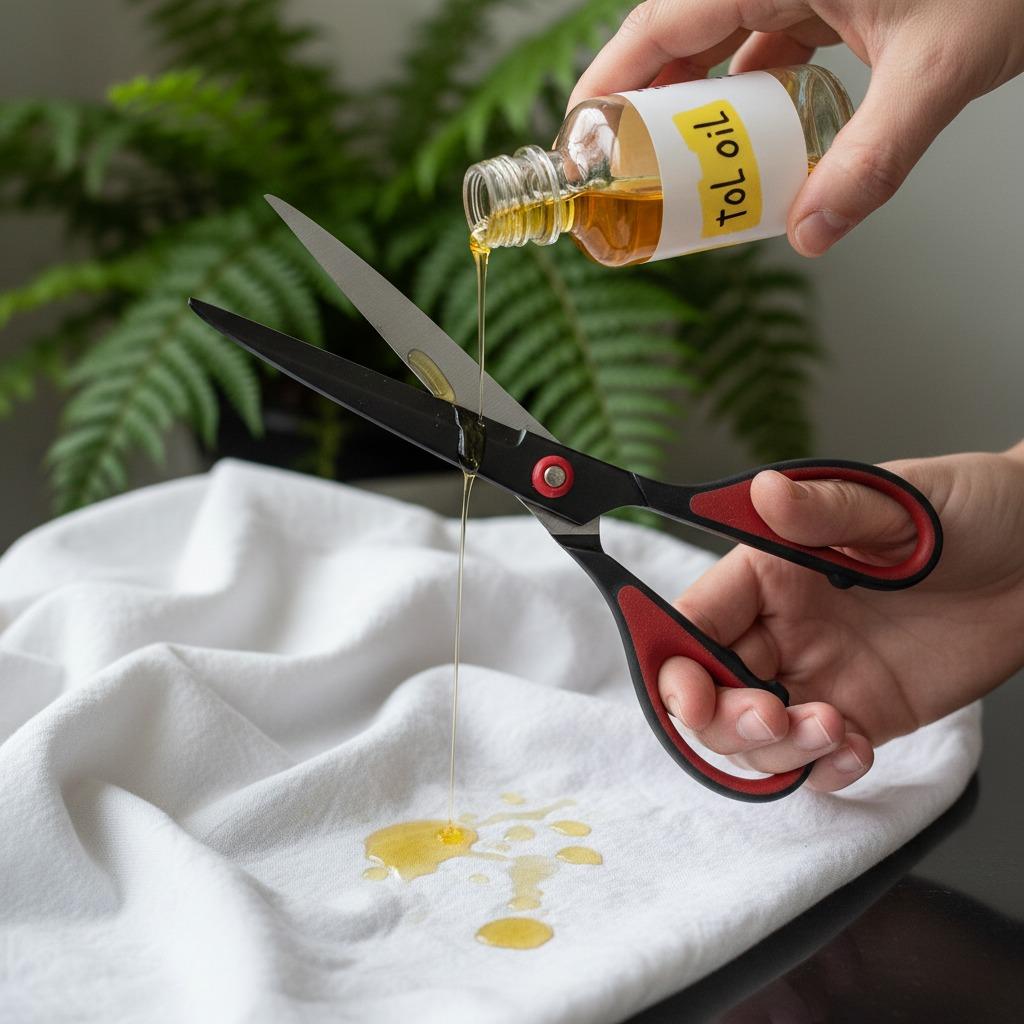
- Vegetable oil or mineral oil for dried adhesive
- Paper towels for drying
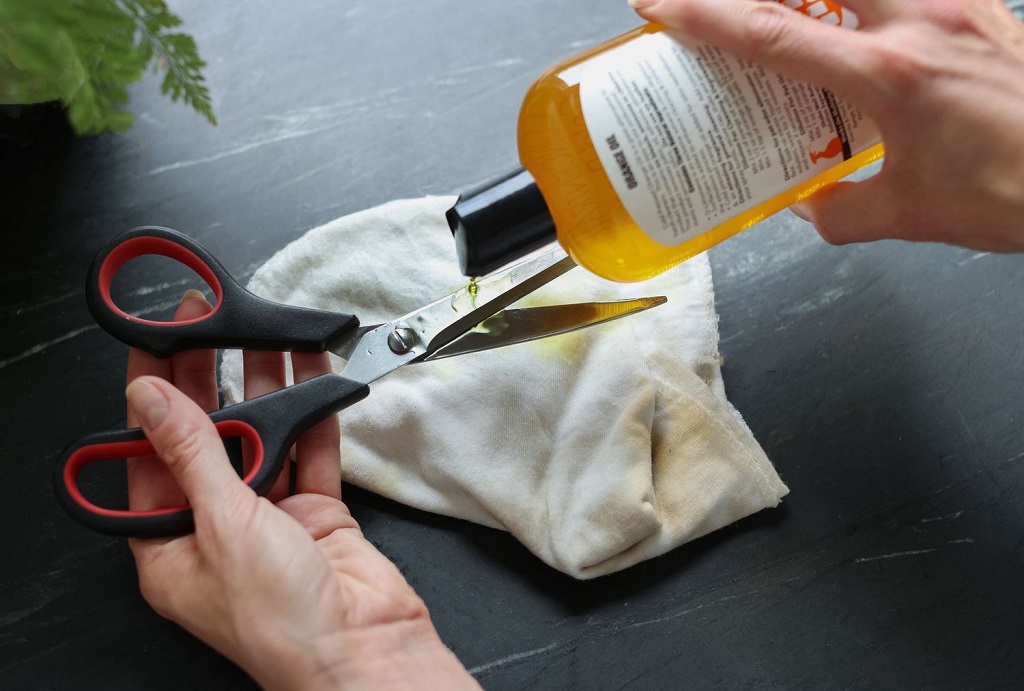
- Optional citrus-based adhesive remover
- Optional disposable gloves if you have sensitive skin
Avoid steel wool, knives, abrasive sandpaper, or aggressive scraping tools. They can scratch the blade surface, damage coatings if present, or create small burrs that make cutting worse.
Cleaning Method Comparison
| Method | Best For | Typical Time | Advantages | Care Notes |
|---|---|---|---|---|
| Rubbing alcohol | Tape film, label glue, light stickiness | 5 to 10 minutes | Fast, easy to apply, evaporates quickly | Use away from flames and ventilate the area |
| Warm soapy water | Light grime after residue is loosened | 3 to 5 minutes | Good final wash, removes oil or cleaner | Do not soak scissors for a long time; dry immediately |
| Vegetable or mineral oil | Dry, stubborn adhesive patches | 10 to 15 minutes | Softens residue without hard scraping | Wash afterward so the blades are not slippery |
| Citrus adhesive remover | Heavy glue from labels or packaging | As directed on product label | Effective on many commercial adhesives | Test a small area first, especially near plastic handles |
Step-by-Step: Remove Sticky Residue from Scissors
- Open the scissors carefully. Place them on a flat surface with the sharp edges facing away from your hands. If the scissors are very sticky, open and close them slowly to avoid sudden slipping.
- Wipe loose debris first. Use a dry cloth or paper towel to remove dust, paper fibers, and any soft glue that comes off easily. This prevents grit from scratching the blades during cleaning.
- Apply rubbing alcohol. Moisten a cotton pad with isopropyl alcohol and press it against the sticky area for 20 to 30 seconds. Then wipe from the pivot area toward the blade tip. Repeat on both sides of each blade.
- Use a cotton swab near the pivot. Adhesive often gathers close to the screw or joint. A swab gives better control and reduces the chance of touching the cutting edge.
- Switch to oil for stubborn spots. If alcohol does not fully loosen the residue, dab a small amount of vegetable or mineral oil on the glue. Let it sit for several minutes, then wipe again with a folded cloth.
- Wash the blades. After the residue is gone, clean the blades with a little dish soap and warm water to remove alcohol, oil, or adhesive remover residue.
- Dry immediately. Use a clean towel or paper towel and dry the blades, pivot area, and handle edges. Do not put scissors away while damp.
Safety Tips While Cleaning Blades
Scissors look simple, but they can still cut skin during cleaning. The safest approach is to control the cloth, not the blade. Fold the cloth several times so your fingers are protected, and always wipe in one direction from the base to the tip. Do not pinch the blade between two bare fingers.
If you use rubbing alcohol or a citrus-based remover, work in a ventilated area and keep the bottle closed when not in use. Do not mix cleaners. If your scissors have plastic handles, printed decoration, or soft grip inserts, avoid soaking them and test any adhesive remover on a small hidden area first.
After-Cleaning Care for Smoother Cutting
Once the blades are clean and dry, open and close the scissors a few times. If movement feels rough at the pivot, place one tiny drop of light oil near the screw, move the blades several times, and wipe away every bit of excess. The goal is smoother movement, not an oily blade.
Test the scissors on scrap paper. If the cut is clean, the issue was probably residue rather than dullness. If the scissors still fold paper, snag, or require force, they may need sharpening or replacement. For shared office tools, it is helpful to keep scissors away from wet areas and store them in a dry drawer, cup, or tool organizer.
When to Avoid DIY Cleaning
Do not continue cleaning if the scissors are bent, badly rusted, loose at the pivot, or damaged near the cutting edge. For specialty scissors, such as sewing shears or precision craft scissors, check the maker’s care instructions before using oils or adhesive removers. If scissors are used for food, medical, or controlled workplace tasks, follow the cleaning policy for that environment rather than a general office method.
FAQ
Can I use vinegar to remove adhesive from scissors?
Vinegar may help with some grime, but it is usually less effective on tape adhesive than rubbing alcohol or oil. If you use it, wipe briefly, rinse, and dry the blades right away.
Is acetone safe for cleaning scissors?
Acetone can dissolve some adhesives, but it may damage plastic handles, finishes, or coatings. Use milder options first. If you choose acetone, test a small area, wear gloves, and keep it away from flames.
How often should office scissors be cleaned?
Clean them whenever cutting becomes sticky or after large projects involving packing tape, labels, or glue. A quick alcohol wipe after heavy use prevents buildup.
Can sticky residue make scissors dull?
Residue does not always dull the metal edge, but it makes scissors feel dull by adding drag and preventing smooth blade contact. Cleaning often restores normal cutting.
Should I oil the entire blade after cleaning?
No. For ordinary office scissors, oiling the entire blade can transfer marks to paper and make the tool slippery. Use only a tiny drop at the pivot if needed, then wipe off excess.
