




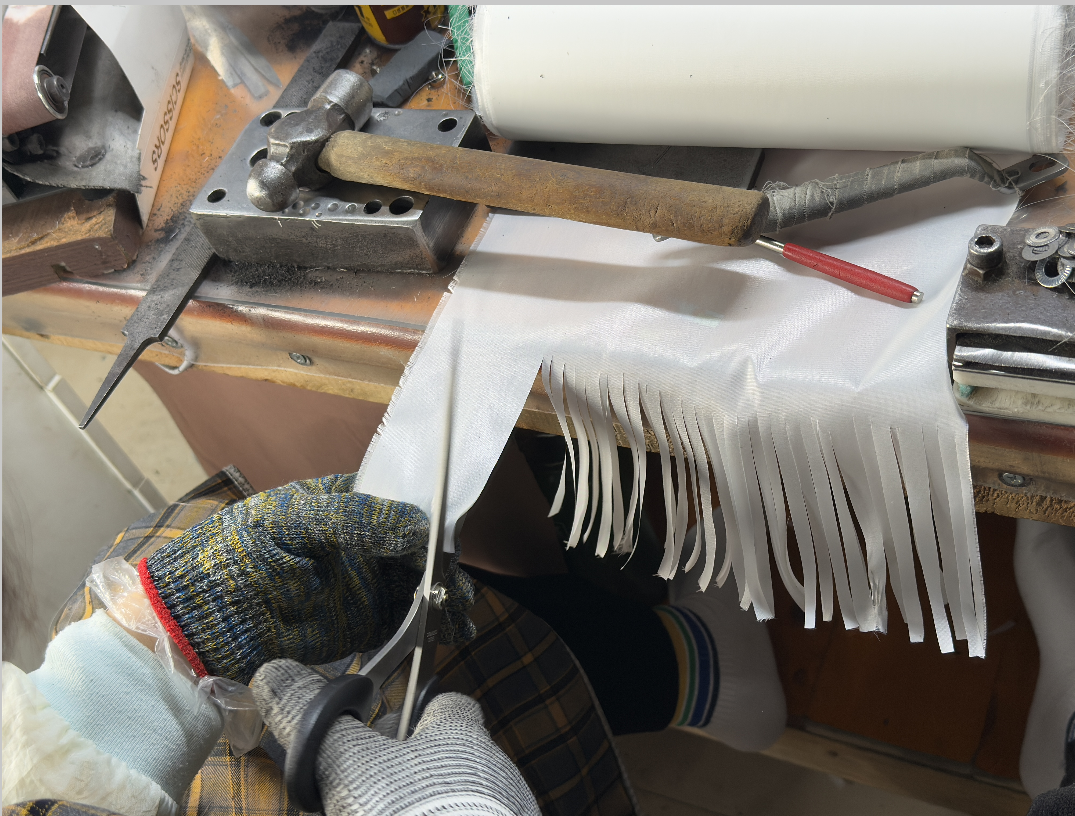
How to Sharpen Scissors: Tips for Better Cutting Performance
Scissors become dull gradually, so many people only notice the problem when paper tears, fabric snags, or the blades start pushing material instead of cutting it. Learning how to sharpen scissors can extend the useful life of a household, craft, office, or sewing tool while reducing hand strain and messy edges.
Not every pair should be sharpened the same way. Lightweight paper scissors, fabric shears, kitchen scissors, and specialty craft scissors may have different blade shapes and pivot designs. The goal is simple: restore a clean cutting edge without changing the blade angle, scratching the inner faces, or loosening the joint.
Key Takeaways
- Dull scissors often need cleaning and pivot adjustment before sharpening.
- Sharpen only the beveled outside edge, not the flat inner blade face.
- Use a controlled method such as a sharpening stone, suitable handheld sharpener, or professional service.
- Fabric and specialty shears deserve extra care because the wrong angle can reduce performance.
- Regular cleaning, drying, and light joint lubrication help maintain smoother cutting.
How to Tell When Scissors Need Sharpening
Before sharpening, check whether the problem is truly a dull edge. Sticky residue, lint, rust, or a loose screw can make scissors feel blunt even when the blade edge is still serviceable. Open and close the scissors slowly. They should move smoothly, and the blades should meet along their length without a wide gap.
Common signs that sharpening may be needed include jagged paper edges, fabric that folds between the blades, extra pressure required near the tips, or inconsistent cutting from heel to point. If the blades look chipped, bent, badly rusted, or separated at the pivot, sharpening alone may not solve the issue.
Clean and Inspect Before You Sharpen
Start with basic maintenance. Wipe the blades with a soft cloth to remove dust and residue. If adhesive is present, use a cleaner suitable for the scissor material and dry the blades completely afterward. Avoid soaking scissors unless the manufacturer specifically allows it, because moisture can remain around the pivot and encourage corrosion.
Inspect the cutting edge under good light. You are looking for nicks, flat shiny spots, rust, and an uneven bevel. Also check the pivot screw or rivet. If the screw is adjustable, tighten it only enough for the blades to meet firmly without making the action stiff. A correctly adjusted pivot is one of the easiest ways to improve scissors cutting performance.
Choose the Right Sharpening Method
Several home methods can work, but they are not equal. The best option depends on the value of the scissors, the blade style, and your confidence. When in doubt, especially with tailoring shears or specialty blades, choose professional sharpening rather than risking permanent damage.
| Method | Best For | Advantages | Watch Out For |
|---|---|---|---|
| Sharpening stone | General household and craft scissors | Good control over the blade angle | Requires steady hands and patience |
| Scissor sharpener tool | Quick touch-ups on compatible scissors | Easy to use and convenient | May not suit all blade shapes or premium shears |
| Professional service | Fabric shears, expensive scissors, damaged edges | More suitable for precision work | Costs more and requires sending or taking scissors in |
| Foil or abrasive shortcuts | Very light temporary improvement | Fast and accessible | Not a true sharpening solution and may give uneven results |
Step-by-Step: Sharpen Scissors with a Stone
A sharpening stone gives better control than many improvised methods. Use the stone according to its instructions. Some stones are used dry, while others require water or oil. Work slowly, and keep the original bevel angle rather than trying to create a new one.
- Separate the blades if possible. Some scissors can be unscrewed at the pivot. If not, open them as wide as possible and work carefully.
- Identify the beveled edge. Most scissors have a flat inner face and a beveled outer cutting edge. Sharpen the bevel only.
- Match the existing angle. Place the bevel against the stone so it sits naturally and evenly.
- Stroke from pivot to tip. Move the blade across the stone in smooth strokes, following the full cutting edge. Do not saw back and forth randomly.
- Repeat lightly. Several controlled passes are better than heavy pressure.
- Remove the burr. After sharpening, gently close the scissors a few times and wipe the blades clean. A fine burr may form and should be removed carefully.
- Test on appropriate material. Use paper for household scissors and scrap fabric for fabric shears. Do not test sewing shears on cardboard or abrasive materials.
If cutting is improved but not smooth, recheck the pivot tension and blade contact. If performance remains poor, the blades may be misaligned or too damaged for basic home sharpening.
What Not to Do When Sharpening Scissors
Many damaged scissors are the result of aggressive sharpening. Avoid grinding both sides of the blade as if it were a kitchen knife. The flat inner faces of scissors need to meet closely; removing material there can create gaps and make cutting worse.
Do not use excessive pressure, high-speed power tools, or random abrasive surfaces unless you understand the blade geometry. Heat and uneven grinding can change the edge and leave it wavy. Also avoid using fabric shears on paper, cardboard, wire, or packaging tape. Even well-sharpened shears will lose performance quickly if used on the wrong materials.
Scissors Maintenance Tips for Longer Life
Good care reduces how often sharpening is needed. After use, wipe the blades clean and dry. Store scissors in a dry place rather than leaving them near sinks, damp worktops, or open windows. If the scissors are used for adhesive labels, tape, or craft materials, remove sticky residue before it hardens.
- Keep separate scissors for fabric, paper, kitchen, and utility tasks.
- Use a protective cover or dedicated drawer space to prevent blade knocks.
- Add a small amount of suitable lubricant to the pivot when the action feels dry, then wipe away excess.
- Do not force scissors through materials thicker or harder than they are intended to cut.
- Check pivot tightness periodically if the design allows adjustment.
These simple habits help preserve clean cuts, reduce corrosion risk, and keep the blades aligned.
When to Replace or Seek Professional Sharpening
Home sharpening is best for routine dullness. Professional help is a better choice when scissors are expensive, used for tailoring, have convex or serrated edges, or show visible chips and bends. A professional can also assess blade alignment and pivot wear, which are difficult to correct with basic tools.
Replacement may be more practical for low-cost scissors with loose rivets, heavily rusted blades, cracked handles, or poor blade contact. For anyone sourcing scissors or sharpening accessories in larger quantities, ask suppliers clear questions: which scissor types are supported, what maintenance instructions are provided, whether replacement parts are available, and what blade-care guidance is included for end users. Avoid assuming material grade, durability, or compliance claims unless the supplier provides documented details.
FAQ
Can I sharpen scissors at home?
Yes, many general-purpose scissors can be sharpened at home with a suitable stone or compatible scissor sharpener. Work on the beveled edge only and maintain the original angle.
How often should scissors be sharpened?
It depends on use. Paper scissors used daily may need touch-ups more often than occasional household scissors. Fabric shears should be sharpened when they begin snagging or pushing fabric.
Is cutting aluminum foil a good way to sharpen scissors?
Cutting foil may give a short-term improvement by cleaning or lightly abrading the edge, but it is not a precise sharpening method. It will not fix dull, chipped, or misaligned blades.
Why do my scissors still cut poorly after sharpening?
The pivot may be loose, the blades may be misaligned, or the inner faces may not meet properly. Clean the blades, check tension, and consider professional service if the problem remains.
Should I oil scissors?
A small amount of suitable lubricant at the joint can improve smooth movement. Apply sparingly and wipe away excess so it does not attract dust or stain materials.
