




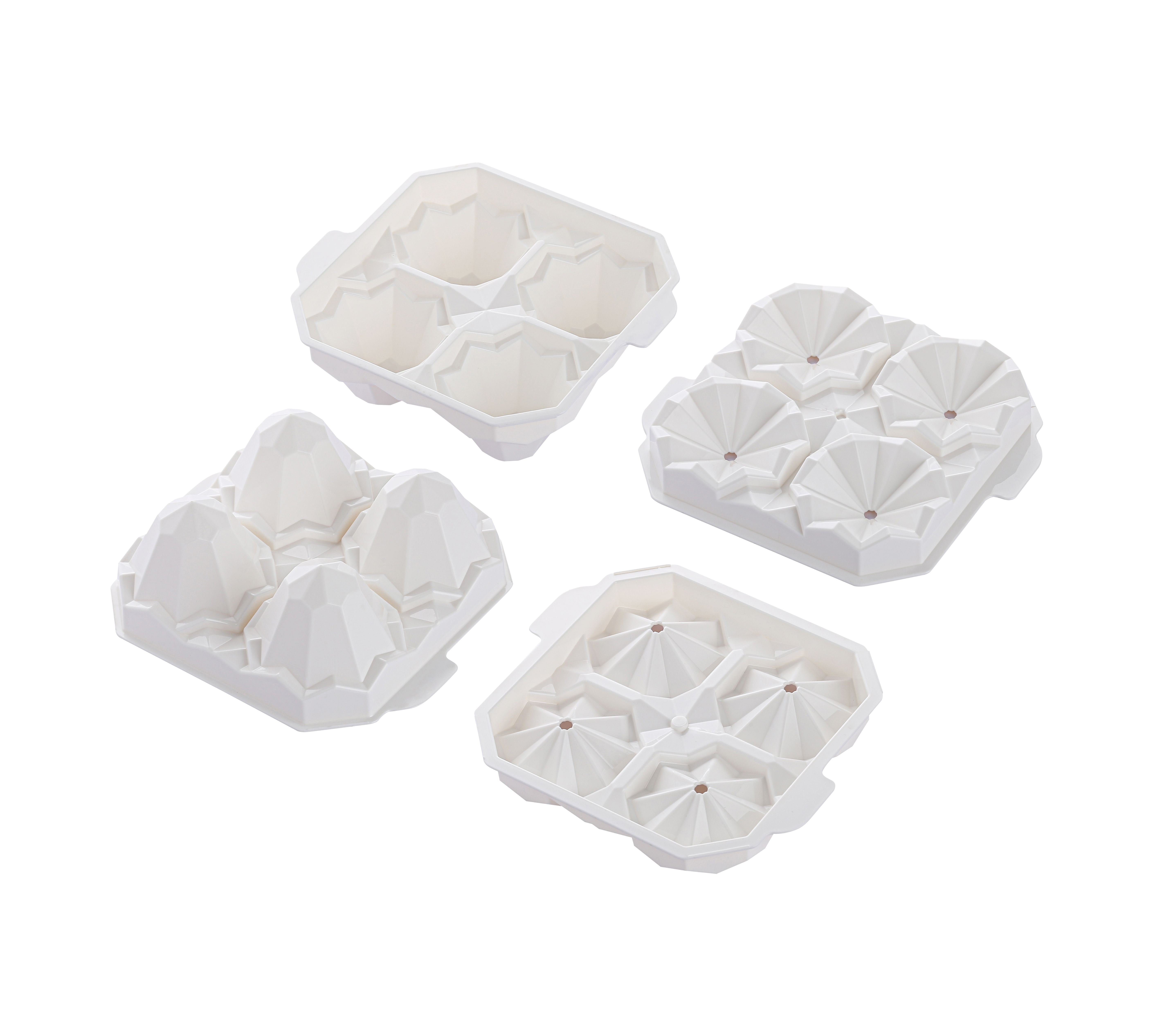
Ice Cube Tray Manufacturer: Sourcing Custom Geometric Ice Molds
Choosing an ice cube tray manufacturer is not only about finding a mold that makes attractive ice. For wholesalers, brand owners, promotional buyers, and kitchenware distributors, the right supplier should help balance design, usability, packaging, consistency, and commercial risk. The original Geometric Ice Mold Set is positioned around shaped ice for drinks and creative uses, with a pale mint green appearance and a silicone construction described as durable and food-safe. Those are useful starting points, but a professional sourcing decision should go deeper than appearance.
This guide explains how to evaluate custom ice cube trays for B2B purchasing, especially when the product involves geometric shapes, flexible silicone, drink presentation, party use, gifting, or private-label kitchenware programs.
Key Takeaways
- Start with the end user: cocktail service, home entertaining, gifting, promotional use, or retail kitchenware.
- Ask suppliers to confirm material details, test documentation, packaging options, and production tolerances before ordering.
- For custom ice cube trays, clarify artwork, mold ownership, sampling steps, lead time, and revision costs early.
- Evaluate release performance, tray stability, freezer fit, stacking, and cleaning convenience during sample testing.
What Buyers Should Look For in an Ice Cube Tray Manufacturer
A reliable ice cube tray manufacturer should be able to explain how the product is designed, sampled, produced, inspected, and packed. For a geometric ice mold, small design differences can affect how cleanly the cube releases, how stable the tray feels when filled, and whether the finished ice shape looks consistent.
When contacting a supplier, ask practical sourcing questions rather than accepting broad claims. What silicone material is used? Which food-contact standards can be supported for your target market? Can the supplier provide documentation for the current production batch? How are color, weight, surface finish, and cavity shape checked? These questions help separate a design-capable factory from a basic trading option.
Custom Ice Cube Trays: Design and Branding Considerations
Custom ice cube trays can support seasonal retail lines, hospitality branding, gift sets, and private-label kitchenware collections. The source article highlights a Geometric Ice Mold Set with intricate facets and a pale mint green color. That type of design is useful when the ice itself becomes part of the drink presentation, especially for cocktails, iced coffee, sparkling water, or event service.
Before developing a custom version, define the customization scope. Buyers may need a custom cavity shape, a specific silicone color, logo placement, retail packaging, instruction inserts, barcode labels, or bundled accessories. Each choice can affect tooling, sampling, cost, and lead time. If the design will be used for promotional branding, ask whether logo details can remain visible after freezing and whether the mold can release the shape without tearing fine edges.
Material, Safety, and Documentation Questions
The original article states that the product uses durable, food-safe silicone. For procurement purposes, buyers should request evidence that supports food-contact use in the intended sales region. Do not rely only on a product description. Ask the supplier what material grade is being used, whether the material is suitable for freezer use, and what documentation can be provided with shipment.
Important questions include whether colorants are food-contact appropriate, whether samples match mass production, and whether odor, flexibility, and surface finish are checked after molding. If your business sells in multiple markets, confirm which test reports, declarations, or compliance documents are available and whether they apply to the exact item, material, and color being ordered.
Production Factors That Affect Ice Mold Quality
Ice tray production depends on consistent molding, careful finishing, and practical quality control. For geometric molds, the internal facets must be shaped cleanly so the frozen ice has the intended look. If the cavity walls are too thin, the tray may feel unstable when filled. If they are too rigid, release may become difficult. If the tray base is uneven, filled trays can spill in the freezer.
Buyers should test pre-production samples with water and, if relevant, with common use cases such as juice, coffee, cocktail mixes, chocolate, or gelatin. The source article mentions uses beyond standard ice, including chocolate, cocktails, gelatin treats, and drink infusions. These are useful applications to validate, but each use may have different cleaning, staining, odor, and release considerations.
Supplier Comparison Checklist
| Evaluation Area | What to Check | Questions to Ask |
|---|---|---|
| Material | Silicone feel, flexibility, odor, color consistency | What food-contact documentation is available for this exact material and color? |
| Design | Geometric shape clarity, release performance, tray stability | Can the mold shape be adjusted after sampling, and what costs apply? |
| Customization | Color, logo, packaging, inserts, labels, barcode needs | Which elements are customizable, and what is the approval process? |
| Quality Control | Inspection method, defect standards, sample retention | How are dimensions, appearance, and release function checked before shipment? |
| Commercial Terms | MOQ, lead time, payment terms, tooling ownership | What are the current MOQ, production timeline, and mold ownership terms? |
How to Test Samples Before Placing a Wholesale Order
Sample testing should imitate the real customer experience. Fill the tray to the recommended level, move it to the freezer, stack it if stacking is expected, and release the ice after full freezing. Check whether the tray bends without spilling, whether the ice breaks during release, and whether the geometric details remain visible.
- Inspect the tray for odor, surface marks, uneven color, and flashing.
- Measure whether the tray fits common freezer shelves and retail packaging dimensions.
- Freeze water, then release every cavity to check consistency.
- Wash and dry the tray several times to evaluate cleaning convenience.
- Test any intended non-water applications, such as gelatin or chocolate, before marketing those uses.
Packaging and Retail Readiness
For wholesale and OEM programs, packaging can be as important as the ice mold itself. A pale mint green geometric tray may work well for giftable kitchenware, but buyers still need packaging that protects the shape, explains usage, and meets retail channel requirements. Ask whether the supplier can support color boxes, hang tags, inserts, master cartons, carton marks, and private-label artwork review.
Clear instructions can reduce returns. Include guidance on filling level, freezing time expectations, first-use cleaning, and safe handling. If the product is marketed for more than ice, the packaging should be careful not to overpromise performance for every ingredient.
Practical FAQ
Can a geometric silicone ice tray be customized for branding?
Often it can, but the available options depend on the supplier. Ask about logo placement, custom colors, packaging artwork, mold changes, sampling fees, and whether fine logo details will release clearly after freezing.
What should buyers confirm before calling a tray food-safe?
Request food-contact documentation for the exact material and color being ordered. Also ask whether the documentation is suitable for your destination market and whether it applies to current mass production.
Are custom ice cube trays suitable for cocktails and flavored mixtures?
They can be used for drinks and infusions when the material and design are appropriate. Test samples with the intended liquid because color, sugar, alcohol content, and ingredients can affect freezing, release, cleaning, and odor retention.
What commercial details should be discussed with the manufacturer?
Clarify MOQ, tooling fees, sample timing, production lead time, payment terms, inspection process, packaging options, and who owns any custom mold. These details should be confirmed before placing a wholesale order.
A well-sourced ice cube tray is simple for the end user but carefully specified behind the scenes. By testing samples, asking for documentation, and defining customization requirements early, buyers can source geometric ice molds that are attractive, usable, and appropriate for their retail or OEM program.
