




Ice Tray Manufacturer: Practical Sourcing Guide for Silicone Ice Ball Molds
Choosing an ice tray manufacturer is not only about finding a low unit price. For retailers, distributors, hospitality suppliers, promotional gift companies, and private-label buyers, the better question is whether a supplier can consistently deliver an ice mold that matches the target use, packaging plan, and quality expectations. Silicone ice trays are popular because they are flexible, easy to handle, and suitable for creating shaped ice for everyday drinks, bars, parties, and home entertaining.
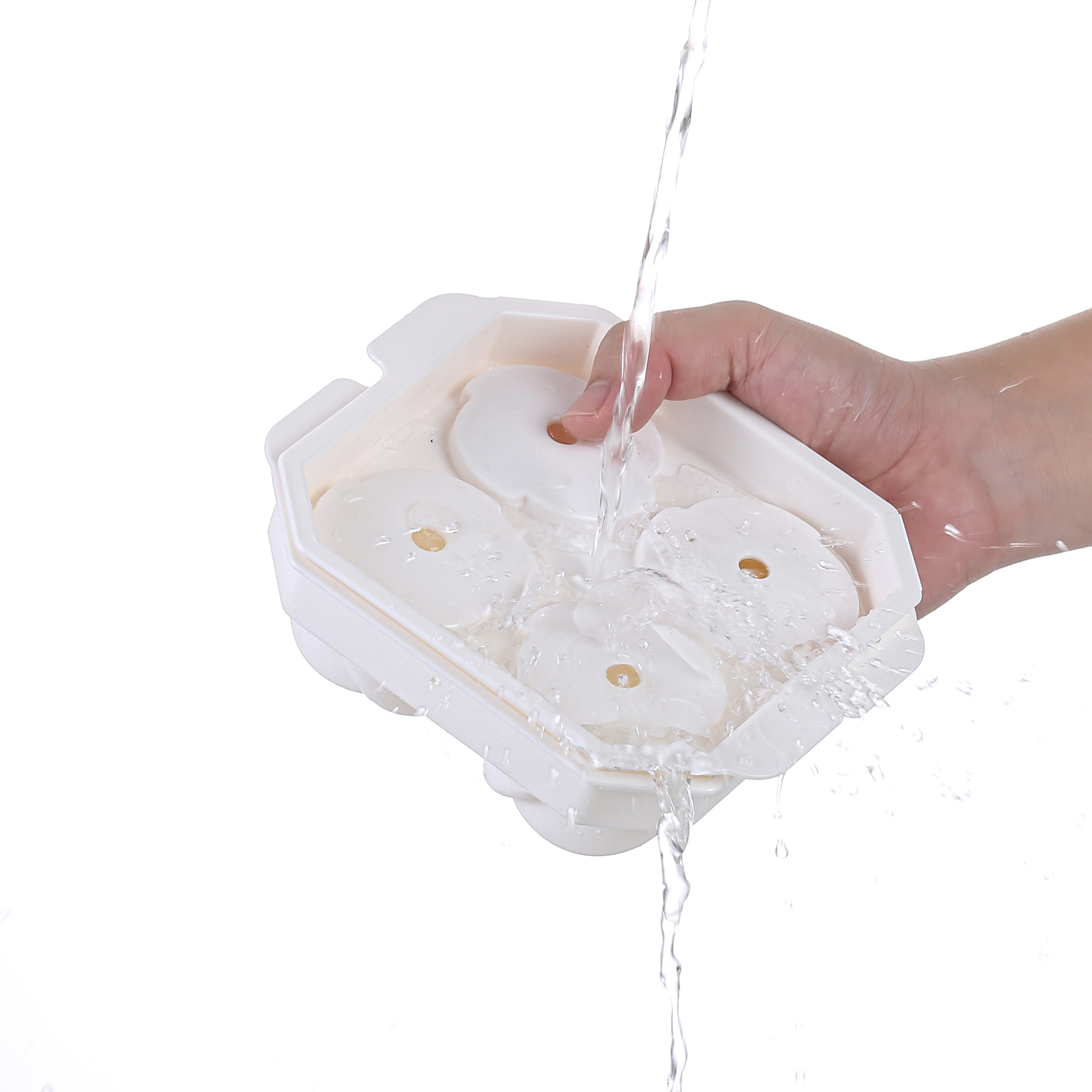
The original product focus here is a silicone ice ball mold with a hexagonal appearance, a lid designed to reduce spills, and a stackable form that helps save freezer space. It can be used to make round ice balls and can also hold additions such as herbs, fruit pieces, or edible flowers when the user wants decorative ice. This guide explains how to evaluate that type of product from a sourcing perspective without assuming details that must be confirmed directly with the supplier.
Key Takeaways
- Silicone ice trays are valued for flexibility, easy ice release, and resistance to cracking compared with rigid plastic trays.
- For B2B sourcing, confirm material claims, packaging, artwork, lead time, inspection process, and available customization before ordering.
- Ice ball molds are often selected for whiskey, cocktails, iced coffee, mocktails, and presentation-focused beverage service.
- A spill-reducing lid and stackable shape are practical features, but buyers should verify fit, sealing performance, and carton packing.
- Samples should be checked for odor, surface finish, lid alignment, ice release, and stability in a freezer before bulk production.
Why Silicone Ice Trays Remain Popular
Silicone ice trays gained attention because they solve several everyday problems associated with hard plastic trays. Traditional trays can be difficult to twist, may crack over time, and often require force to remove ice. Silicone is flexible, so users can push from the bottom of each cavity to release the ice more easily. This is especially useful for spherical or shaped ice, where a clean release affects the final appearance.
Another reason buyers consider silicone is its suitability for varied shapes. Ice balls, cubes, diamonds, novelty shapes, and large-format cocktail ice can all be produced with silicone molds. For a silicone ice ball mold, the appeal is both functional and visual: a larger ball has a lower surface-area-to-volume ratio than many small cubes, so it can melt more slowly in a drink. Buyers should present this as a general advantage of large ice formats rather than a guaranteed performance claim unless they have tested the exact mold.
What to Check in an Ice Ball Mold Design
A good ice ball mold should be easy for the end user to fill, close, freeze, open, and clean. The product described in the original article includes a hexagonal design, a lid intended to reduce spills, and a stackable form. These are useful design points for home freezers and small commercial environments where space is limited.
When reviewing a sample, do not rely only on product photos. Fill the mold to the recommended level, place it in a freezer, and observe whether the lid stays aligned while moving. After freezing, check whether the ice ball releases without tearing the mold or leaving rough edges. If the product is intended for gifting or retail, also review how the shape looks in transparent packaging or in lifestyle photography.
Supplier Evaluation Checklist
| Area to Review | What Buyers Should Ask | Why It Matters |
|---|---|---|
| Material | What silicone material is used, and what documentation can be provided? | Material claims should be supported before labeling or importing. |
| Product design | Is the mold shape, lid, color, and cavity size fixed or customizable? | Customization affects tooling, cost, sampling, and delivery timing. |
| Sample testing | Can pre-production samples be supplied for freezer and release tests? | Samples help buyers avoid quality issues before a bulk order. |
| Packaging | What retail box, label, barcode, and master carton options are available? | Packaging affects shelf presentation, shipping protection, and compliance work. |
| Quality control | How are appearance, odor, lid fit, and finished goods inspected? | Clear inspection points reduce disputes after production. |
| Commercial terms | What are the MOQ, lead time, payment terms, and reorder process? | These details determine whether the supplier fits your sales plan. |
B2B Sourcing Questions Before Placing an Order
Because commercial details can vary by supplier and order type, buyers should request written confirmation instead of making assumptions. Start with the product specification sheet. Ask for the material description, dimensions, weight, color options, packaging method, carton quantity, and care instructions. If the product will be sold under your brand, ask whether private-label packaging, logo placement, or color matching is available.
For importers and brand owners, documentation is another important area. The original article states that the trays are made from food-grade silicone, but buyers should still ask what documents the supplier can provide for the target market. Requirements can differ by country, sales channel, and customer type. Avoid printing compliance statements on packaging until they are supported by appropriate records.
It is also useful to ask how the manufacturer handles production changes. For example, if a lid is adjusted to improve fit or a colorant is changed, how will the buyer be notified? Clear change control is important for repeat orders, especially if the product is sold through retail chains or online marketplaces where consistency affects reviews.
Packaging and Merchandising Considerations
Ice trays are often purchased as practical kitchen items, bar accessories, housewarming gifts, or seasonal promotional products. Packaging should explain the product clearly without overpromising. For a silicone ice ball mold, useful packaging information may include the number of cavities, filling guidance, cleaning guidance, and whether the item is intended for freezer use. Any temperature limits, dishwasher guidance, or food-contact statements should come from verified supplier documentation.
Retail buyers may prefer packaging that shows the shape of the finished ice ball. Online sellers may need product images that demonstrate filling, closing the lid, stacking the mold, and removing the frozen ice. If the mold can be used with fruit, herbs, or edible flowers, present this as a usage idea and ensure the image does not imply ingredients are included unless they are actually part of the product set.
Use and Care Guidance for End Customers
Clear instructions reduce complaints and returns. Users should rinse the mold before first use, fill it to the recommended level, and place it on a flat freezer surface. Overfilling may cause water to expand beyond the cavity and create rough edges. If the mold includes a lid, users should press it into position carefully and avoid placing heavy items on top unless the supplier confirms the stackability limits.
- Wash and dry the silicone mold before the first use.
- Fill each cavity slowly to avoid trapped air and overflow.
- Add small fruit pieces, herbs, or edible flowers only if desired.
- Freeze on a level surface until the ice is fully solid.
- Flex the silicone gently to release the ice ball instead of using sharp tools.
For cleaning, mild dish soap and warm water are usually sufficient, but final care instructions should follow the supplier's confirmed recommendations. Strong odors in a freezer can transfer to ice, so storing the mold clean and dry is also helpful.
Common Quality Risks to Watch
Silicone ice molds look simple, but small quality issues can affect user experience. A lid that does not align properly may spill water when moved. A mold that is too soft may be unstable during filling. A surface that attracts dust can make the product look poor in retail packaging. Strong odor, uneven color, flash around the edges, or inconsistent wall thickness should be addressed before production approval.
For bulk orders, define acceptable and unacceptable defects in advance. Buyers can request inspection photos, golden samples, or third-party inspection depending on order value and risk level. The goal is not to overcomplicate a simple product, but to make sure the delivered goods match the sample that was approved.
FAQ
What makes silicone ice trays different from plastic trays?
Silicone trays are flexible, which can make ice release easier and reduce the risk of cracking compared with rigid plastic trays. Buyers should still confirm the exact material and performance with samples.
Can an ice ball mold be customized for private label sales?
Many suppliers may offer options such as color, packaging, or branding, but availability depends on the manufacturer. Ask about tooling needs, MOQ, artwork format, sample timing, and approval steps.
Are large ice balls better for cocktails?
Large ice formats are often used for cocktails because they can melt more slowly than many smaller cubes. Actual performance depends on size, freezer conditions, drink temperature, and usage.
What should I test before ordering from an ice tray manufacturer?
Test filling, lid fit, freezer stability, ice release, odor, surface finish, packaging strength, and cleaning. Also confirm documentation and commercial terms in writing.
Can users add fruit or herbs to the mold?
Yes, the original product concept allows customization with herbs, fruits, or edible flowers. Users should add small pieces carefully so the lid can close properly and the ice shape remains usable.
Final Thoughts for Buyers
A silicone ice ball mold can be a practical product for kitchenware, barware, gift, and hospitality assortments when the design is easy to use and the supplier communicates clearly. The best ice tray manufacturer for your project is the one that can provide reliable samples, transparent specifications, suitable packaging support, and clear answers to quality and commercial questions. Before committing to bulk production, confirm the details that matter for your market and test the product in real use conditions.
