




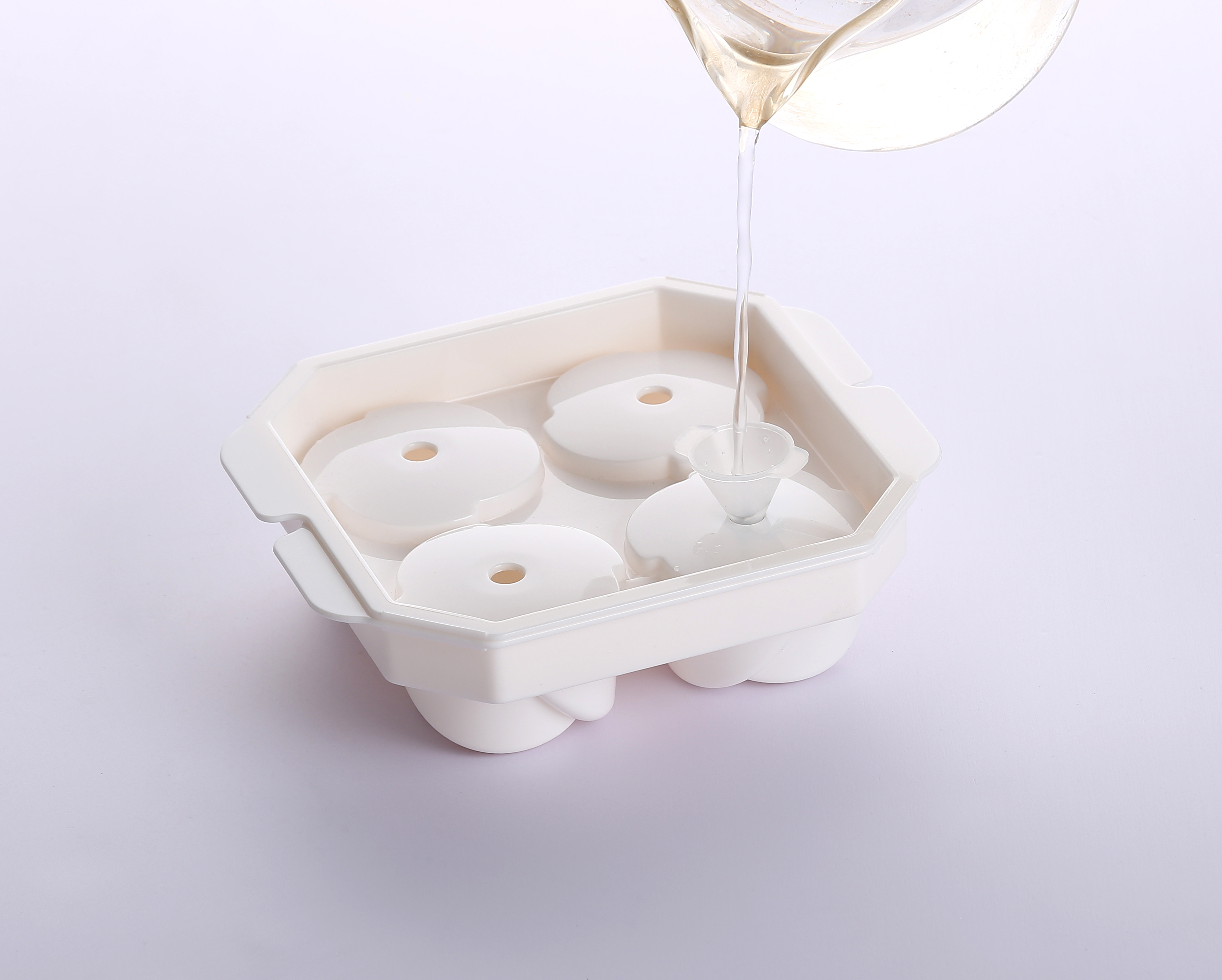
Ice Tray Manufacturer: Elegant Ice Innovation
For buyers sourcing beverage accessories, an ice tray manufacturer is not only a production contact. The right supplier can help retailers, distributors, hospitality brands, and promotional product companies choose molds that are practical, visually distinct, and suitable for everyday freezer use. The original article highlights a hexagonal ice sphere mold made from flexible silicone, designed for rounded ice balls, beverage presentation, freezer-space efficiency, and a lid that helps prevent spills. This rewrite turns that idea into a practical sourcing guide for organic search and real purchasing decisions.
Key Takeaways
- A hexagonal silicone ice sphere mold can differentiate a beverage accessory range without relying on complex electronics or seasonal trends.
- Buyers should verify material details, packaging, labeling, sample quality, and after-sales expectations before placing wholesale or OEM orders.
- Rounded ice is useful for whiskey, cocktails, mocktails, iced coffee, and premium home bar presentation because it can chill drinks while reducing rapid dilution compared with smaller cubes.
- A lid is a practical feature to discuss because it can help reduce spills in the freezer and protect ice from unwanted freezer odors.
Why Ice Sphere Molds Matter in Beverage Presentation
Ice is often treated as a basic accessory, but it affects how a drink looks, feels, and tastes over time. Small cubes chill quickly, yet they also increase the surface area in contact with the drink. Larger rounded ice pieces are often chosen for spirits, highball drinks, and slow sipping because they melt more gradually than many small pieces. For bars, gift retailers, and kitchenware buyers, this creates a clear product story: the mold is simple, but the consumer benefit is easy to understand.
The hexagonal design mentioned in the source is also commercially relevant. A product does not need to be complicated to stand out on a shelf or online listing. A geometric outer shape can make the mold easier to merchandise, photograph, and describe. If the design also minimizes freezer space, that becomes a useful consumer-facing advantage, especially for apartment kitchens, office pantries, and compact freezers.
Understanding the Hexagonal Silicone Ice Tray Concept
The original article describes silicone ice trays as flexible and intended to produce rounded ice balls. Flexibility matters because consumers expect easy release without cracking a rigid tray or running it under water for too long. In product selection, however, buyers should avoid assuming every silicone mold performs the same. Wall thickness, cavity shape, lid fit, surface finish, odor control, and packaging protection can all influence customer satisfaction.
The lid is another important feature. A covered tray can help prevent spills while carrying water to the freezer, and it can also help reduce exposure to freezer odors. For wholesale buyers, the lid should be assessed during sampling: Does it sit securely? Is it easy to remove when frozen? Does it stack well? Does it deform during shipping? These details may seem small, but they often drive reviews and repeat purchases.
Supplier Evaluation Checklist
When sourcing from an ice tray manufacturer or ice tray supplier, ask direct questions rather than relying on broad product descriptions. The table below can help structure a first review, especially for buyers comparing several silicone ice tray options.
| Evaluation Area | What to Check | Questions to Ask the Supplier |
|---|---|---|
| Material | Silicone feel, flexibility, odor, and surface finish | What material information can you provide, and what documentation is available for the target market? |
| Ice Shape | Rounded ice formation, cavity consistency, and release performance | Can you provide samples so we can test freezing, release, and melt behavior ourselves? |
| Lid Design | Fit, spill resistance, stacking, and ease of use | Does the lid design vary by color, packaging set, or OEM version? |
| Packaging | Retail box, insert card, barcode space, and damage protection | What packaging formats are available, and can artwork be customized? |
| Commercial Terms | Lead time, MOQ, sample policy, and inspection process | What are the current MOQ, production timeline, payment terms, and quality control steps? |
OEM and Wholesale Buying Guidance
For B2B buyers, the goal is not just to find a mold that looks attractive. The goal is to source a product that can be sold consistently, packed efficiently, and supported with accurate claims. If you need OEM service, prepare a short specification sheet before contacting suppliers. Include target color, packaging type, branding position, carton requirements, intended sales region, and any required documentation. If you do not know the exact compliance requirements for your market, ask your internal compliance team or a qualified testing partner before confirming production.
Do not assume that a supplier's catalog image answers all commercial questions. Ask whether the product shown is a current production model, whether the mold dimensions can be confirmed, whether packaging images are available, and whether sample units match bulk production. For promotional orders, also confirm logo placement, printing method, color tolerance, and approval steps. For retail orders, confirm barcode placement, warning text needs, language requirements, and carton labeling.
Product Selection for Retail and Hospitality Channels
A hexagonal ice sphere mold can fit several channels. In retail, it works as a kitchen gadget, home bar accessory, gift item, or add-on for drinkware collections. In hospitality, it may support beverage programs where presentation is part of the guest experience. For online sellers, the product should be easy to explain in product titles and images: flexible silicone tray, rounded ice balls, hexagonal shape, and spill-reducing lid are clear starting points based on the source material.
Before selecting a version, consider the end user. A cocktail enthusiast may care about the appearance and slow dilution of the ice. A family user may care more about easy release and freezer storage. A gift buyer may focus on packaging. A bar or restaurant may prioritize repeated use and cleaning workflow. Matching the product story to the channel helps prevent overpromising and reduces returns.
Sample Testing Before Placing an Order
Sampling is essential for any buyer comparing silicone ice trays wholesale. A simple in-house test can reveal many issues before they become expensive. Fill the mold to the recommended level, carry it to the freezer with the lid attached, freeze it fully, release the ice, and inspect the shape. Repeat the process several times. Note whether the tray retains odor, whether the lid warps, and whether the ice releases cleanly without excessive force.
- Photograph the sample from top, side, lid-on, and packaging angles.
- Measure the product and retail package if you need shelf or carton planning.
- Check whether the tray stacks securely in a typical freezer drawer.
- Review the supplier's written claims and remove any claim you cannot verify.
- Confirm the inspection standard that will apply before shipment.
Use and Care Guidance for End Customers
Consumer instructions should be clear and conservative. Recommend rinsing the mold before first use, filling cavities carefully, placing the lid evenly, and freezing on a flat surface. If the tray is flexible, users should support it from the bottom when carrying it. To release the ice, they can allow the mold to sit briefly at room temperature and then flex it gently. Avoid exaggerated claims about performance; practical care advice builds trust and reduces complaints.
Retailers should also explain why large rounded ice is popular. It is commonly used for whiskey, premium spirits, cocktails, and other chilled drinks where presentation and slower dilution matter. The benefit is not that the ice changes the drink magically, but that its size and shape can make sipping more controlled and visually appealing.
Practical FAQ
What should I ask an ice tray manufacturer first?
Start with material information, sample availability, packaging options, MOQ, lead time, customization choices, and the quality inspection process. If you sell in a regulated market, ask what documentation the supplier can provide and verify it independently when needed.
Is a silicone ice sphere mold better than a plastic tray?
Flexible silicone can make ice release easier, especially for rounded shapes. However, buyers should compare actual samples because design, thickness, lid fit, and finishing can affect the user experience.
Why choose a hexagonal ice mold design?
The source describes the hexagonal design as space-conscious and visually appealing. For retailers, it also gives the product a recognizable shape that can be easier to photograph and position in a home bar or kitchenware range.
Can this product be customized for wholesale or OEM orders?
Customization may be possible, but buyers should ask the supplier directly about logo placement, colors, packaging artwork, MOQ, sample approval, and production lead time. Do not assume customization details without written confirmation.
What claims should be avoided in product listings?
Avoid unverified claims about certifications, exact material grade, temperature limits, dishwasher safety, food-contact compliance, or performance testing unless the supplier provides suitable documentation for your sales market.
