




Ice Tray Manufacturer: Practical Sourcing Guide for Silicone Ice Molds
Choosing an ice tray manufacturer is not only about finding a low unit price. For retailers, distributors, hospitality buyers, and private-label brands, the better question is whether a supplier can consistently deliver ice trays that match the intended use, packaging plan, quality expectations, and customer experience. Silicone ice trays are popular because they are flexible, durable for repeated use, and easier to release than many rigid plastic trays. Designs such as a Hexagonal Sphere Ice Mold also show how product shape and usability can affect how a drink is served.
This guide explains what to look for when sourcing silicone ice trays, how to compare common design details, and which questions to ask before confirming an OEM or wholesale order.
Key Takeaways
- Silicone ice trays are valued for flexibility, easy ice removal, and resistance to cracking during normal use.
- Sphere molds can support slower melting ice for cocktails, spirits, and other drinks where dilution matters.
- A secure lid with grip handles can help reduce spills while moving or filling the mold.
- B2B buyers should verify materials, dimensions, packaging, testing, lead time, and customization options directly with the supplier.
- Do not rely on product photos alone; request samples and confirm performance with real filling, freezing, and release tests.
Why Silicone Ice Trays Are Common in Modern Drinkware Lines
Silicone ice trays have become a familiar category in kitchenware and barware because the material is flexible. That flexibility helps users release cubes, spheres, or shaped ice without twisting a brittle tray until it cracks. For consumer products, this matters because frustration during removal can lead to poor reviews even when the ice shape itself looks attractive.
Durability is another reason buyers consider silicone. A tray that is used often in home kitchens, bars, restaurants, or event settings needs to withstand repeated filling, freezing, and cleaning. The original product description highlights silicone trays as flexible and durable, which are the main practical advantages to communicate to end users. However, buyers should still ask the manufacturer what exact material is used, what care instructions apply, and whether the product has been tested for the target market.
Understanding the Hexagonal Sphere Ice Mold Concept
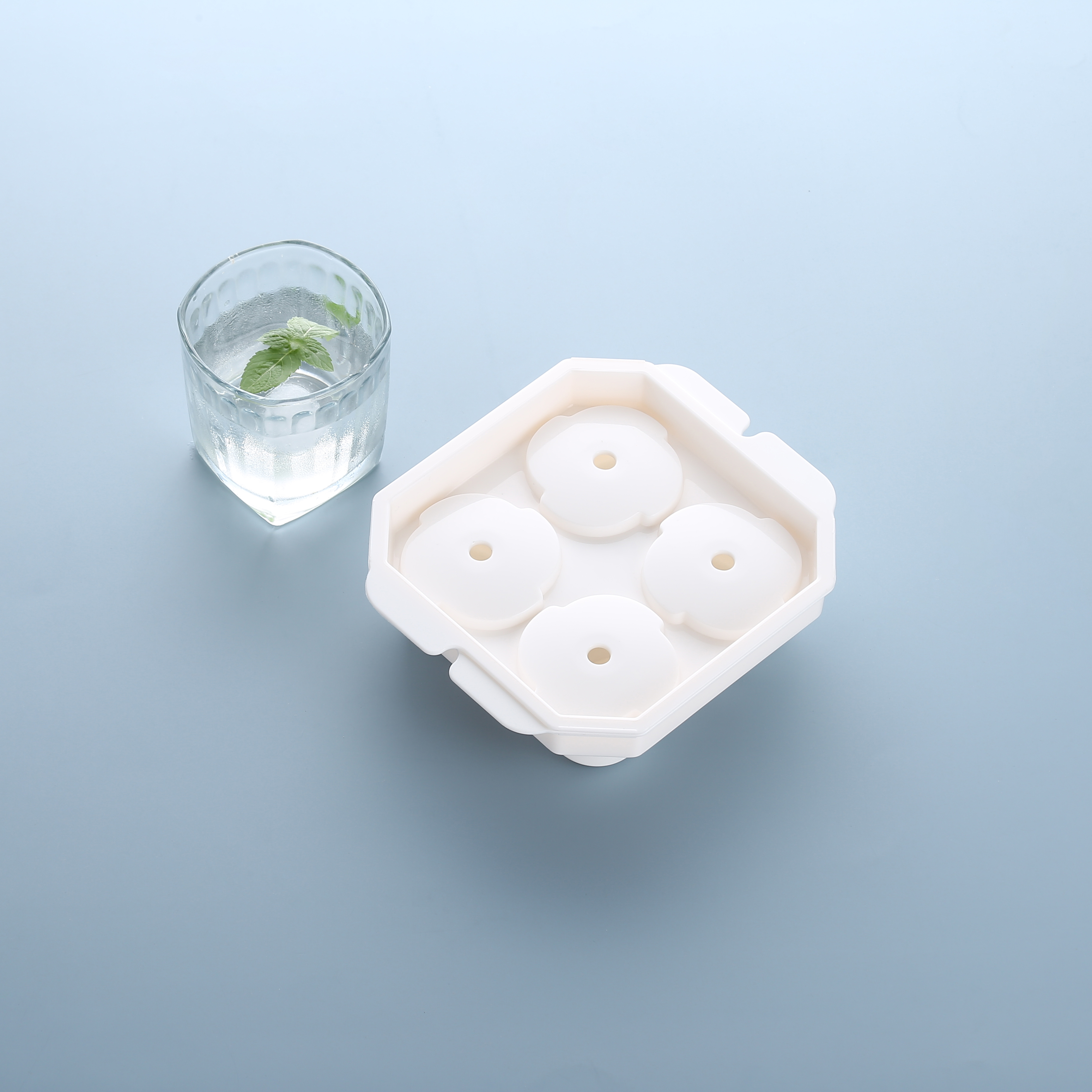
The source article describes a Hexagonal Sphere Ice Mold with detailed divisions, a hexagonal base mold, and a secure lid with grip handles. This type of design is intended to create rounded ice spheres rather than standard cubes. Ice spheres are often used for cocktails or spirits because a larger rounded shape can melt more slowly than small cubes, helping reduce rapid dilution.
For a wholesale or private-label buyer, the important point is not simply that the mold looks different. The design must work reliably in daily use. A mold should be easy to fill, stable enough to move to the freezer, and simple to open after freezing. The lid should fit securely enough to help prevent spills, while still being practical for consumers to remove. If the product is marketed for clear or low-bubble ice, ask the supplier what process is required, because a mold alone may not guarantee perfect clarity in every freezer or water condition.
Comparison Checklist for Ice Tray Sourcing
| Evaluation Point | Why It Matters | Questions to Ask the Supplier |
|---|---|---|
| Material details | Supports safety, durability, and correct product claims. | What silicone material is used, and what documentation is available for the target market? |
| Ice shape and size | Affects drink presentation, melting speed, and freezer fit. | What are the finished ice dimensions and total tray capacity? |
| Lid design | Helps reduce spills and protects the shape during freezing. | How secure is the lid, and is it easy to remove when frozen? |
| Release performance | Influences customer satisfaction and return rates. | Can samples be tested for repeated freezing and ice removal? |
| Packaging options | Important for retail display, shipping protection, and branding. | What packaging formats are available for wholesale or private label? |
| Customization | Supports brand differentiation without changing the core function. | Can color, logo, instructions, or packaging be customized? |
How to Evaluate an Ice Tray Manufacturer
A capable ice tray manufacturer should be able to answer practical questions clearly. Start with product drawings or measurements, because ice tray size affects freezer compatibility, carton planning, and shelf presentation. Then ask about sample availability. A sample lets your team test filling, lid fit, ice release, cleaning, and packaging before committing to a larger order.
For OEM or wholesale programs, also ask how the supplier manages color consistency, logo placement, packaging artwork, and inspection. Avoid assuming that every supplier can provide the same level of customization. If you need a specific retail package, barcode placement, warning text, or instruction card, provide those requirements early and ask for a pre-production sample.
Commercial details should be confirmed directly. Ask about minimum order quantity, production lead time, payment terms, tooling requirements, available colors, sample costs, and shipping methods. These details can vary by product and order plan, so they should not be guessed from a general product article.
Product Selection Tips for Different Buyers
Different sales channels need different ice tray features. A barware retailer may prefer an ice sphere mold because it pairs well with cocktail glasses, whiskey sets, and entertaining accessories. A kitchenware distributor may prioritize easy release, stackable packaging, and broad consumer appeal. A hospitality buyer may focus on repeat use, cleaning convenience, and consistent ice shape.
- Define the target user before selecting the mold shape.
- Check whether the tray size fits common freezer drawers and shelves.
- Test the lid for spill resistance during normal handling.
- Confirm whether the finished ice shape matches the product photos.
- Review packaging durability for e-commerce or retail distribution.
If the product is positioned as a premium drink accessory, the ice shape should be clean and repeatable. If it is positioned as a practical household item, ease of use may matter more than an unusual shape. The best choice depends on your channel, price point, and customer expectations.
Quality Checks Before a Wholesale Order
Before approving production, run simple but realistic checks. Fill the mold to the recommended level, close the lid, carry it to the freezer, and observe whether water leaks or spills. After freezing, release the ice without tools and note whether the shape remains intact. Repeat the process several times to understand how the tray performs after normal use.
Also review packaging and instructions. Consumers need clear guidance on filling level, freezing time, cleaning, and how to remove the ice. If the mold has grip handles or detailed divisions, the instructions should explain how to use them properly. Good instructions reduce complaints and help customers get the intended result.
FAQ
What makes silicone ice trays different from plastic trays?
Silicone trays are flexible, which helps users remove ice more easily. They are also described in the source material as durable and suitable for frequent use. Buyers should still confirm exact material details and care instructions with the supplier.
Are ice spheres better than cubes?
They are better for some uses. A larger rounded ice sphere can melt more slowly than smaller ice pieces, which may help reduce dilution in cocktails or spirits. Cubes may still be better for everyday drinks or high-volume service.
What should I ask an OEM ice tray supplier first?
Ask for material information, product dimensions, sample availability, customization options, packaging choices, minimum order quantity, lead time, and any documentation needed for your selling market.
Can a lid prevent all spills?
A secure lid with grip handles can help reduce spills while moving the tray, but performance depends on the design, fill level, and handling. Test a sample before making a claim in retail copy.
How can I avoid sourcing problems?
Use samples, confirm specifications in writing, approve packaging artwork before production, and set inspection expectations. Clear questions at the beginning are easier than solving quality issues after shipment.
