




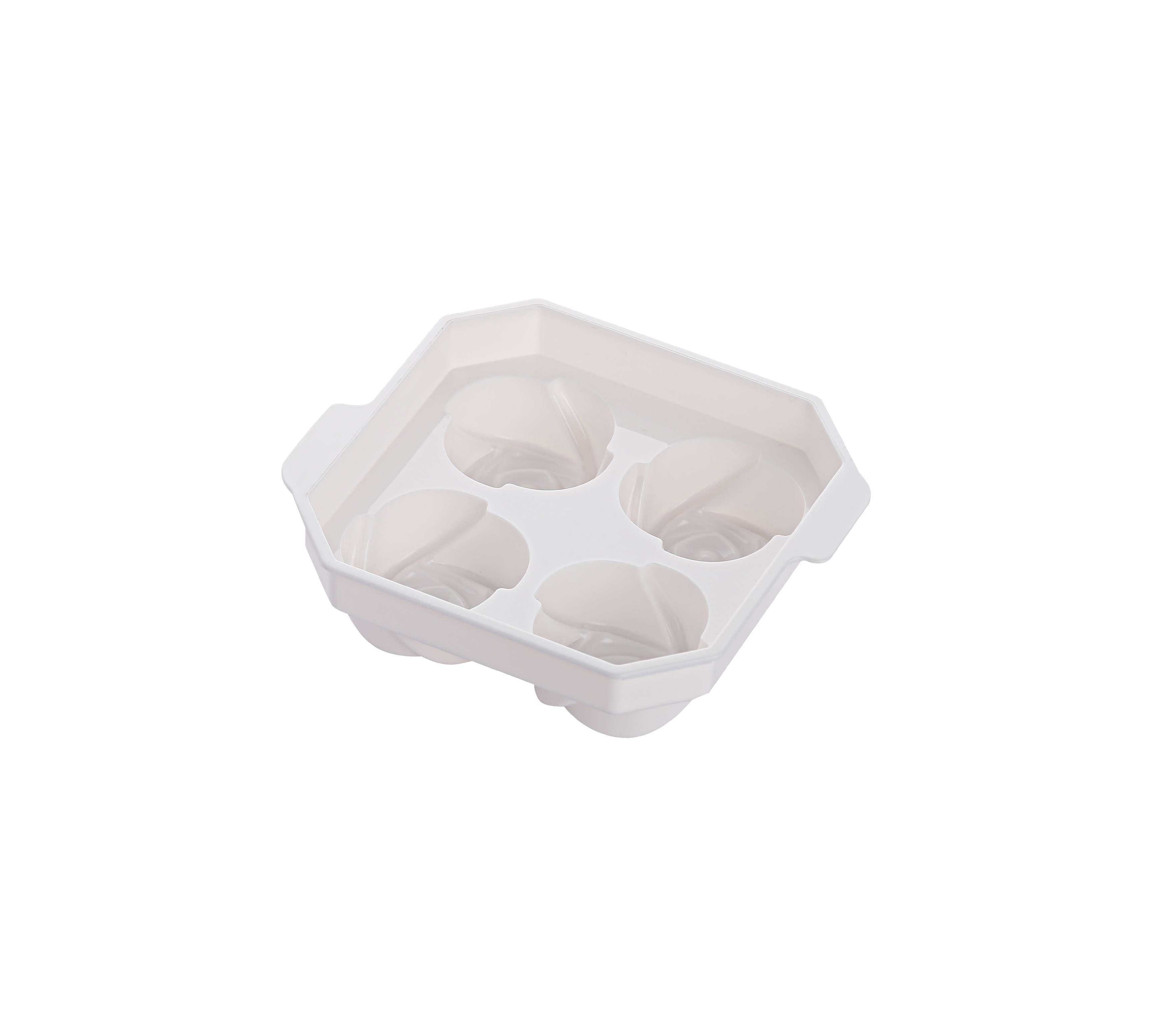
Ice Tray Manufacturer: How to Source Hexagonal Silicone Ice Molds
For retailers, promotional product buyers, hospitality suppliers, and kitchenware distributors, an ice tray is a small item with several important sourcing questions behind it. Shape, material feel, ease of ice release, packaging, and supplier communication all affect whether a product works well in a catalog or on a shelf. The original focus of this product article is a Hexagonal Ice Cube Mold made from silicone, designed to produce geometric ice cubes and release them with a push or twist. This updated guide explains how to evaluate an ice tray manufacturer or supplier without relying on vague claims.
Key Takeaways
- A hexagonal silicone ice tray can be a good fit for beverage, barware, gift, and kitchenware assortments.
- Buyers should verify material claims, food-contact documentation, packaging options, and sample quality before placing wholesale or OEM orders.
- Ice clarity depends on water quality, freezing method, and freezer conditions, not only on the mold shape.
- Supplier selection should include communication, consistency, quality checks, and realistic lead-time discussions.
What Makes a Hexagonal Ice Cube Mold Different?
Traditional ice trays usually produce basic square or rectangular cubes. A hexagonal ice cube mold is chosen mainly for presentation. The geometric shape can suit cocktails, cold brew, juices, sparkling drinks, or event service where the look of the ice matters. For B2B buyers, that visual difference can help separate a product listing from standard commodity trays.
The existing product description highlights a silicone construction and an inner silicone layer that allows ice to release with a gentle push or twist. That is a practical advantage because rigid plastic trays may crack or require more force, especially when the tray is very cold. However, buyers should test real samples rather than assuming every silicone tray performs the same way. Wall thickness, cavity design, lid fit if included, and molding quality can all affect the user experience.
Material and Safety Questions to Ask the Manufacturer
The original article describes the Hexagonal Ice Cube Mold as made with food-grade silicone. When sourcing for resale, buyers should not stop at the phrase itself. Ask the supplier what documentation is available for the specific material used in the product you are ordering. Requirements may vary depending on the destination market, sales channel, and intended use.
Useful questions include:
- What silicone material is used for the tray, and can the supplier provide relevant food-contact documentation?
- Is the same material used in the sample and mass production order?
- Are colorants, if any, suitable for the intended food-contact use?
- What temperature range does the supplier state for normal use?
- How should the tray be cleaned and stored to avoid odor transfer?
Do not assume certifications, test reports, or compliance coverage unless the supplier provides current documents for the product and market in question. A reliable manufacturer should be able to explain what is available and what may need additional third-party testing.
Supplier Comparison Checklist
When comparing ice tray manufacturers, a simple checklist helps keep the discussion focused. This is especially important if you are sourcing OEM, private label, or wholesale quantities where small details can affect returns and reviews.
| Evaluation Area | What to Check | Why It Matters |
|---|---|---|
| Sample quality | Ice release, cavity shape, flashing, odor, surface finish | Shows how the product may perform for end users |
| Material claims | Food-contact documentation and consistency between sample and production | Reduces sourcing and compliance risk |
| Design details | Hexagonal cavity definition, tray flexibility, stability when filled | Affects appearance and everyday usability |
| Packaging options | Bulk pack, retail box, label, barcode, instruction insert | Supports the intended sales channel |
| OEM support | Logo, color, mold changes, artwork process, approval steps | Important for private label or branded programs |
| Quality control | Inspection process, defect criteria, replacement policy questions | Helps manage consistency across shipments |
How to Evaluate Ice Release and User Experience
Silicone trays are popular because they are flexible. The original article notes that the user can release ice with a gentle push or twist. In practice, release performance should be tested under realistic freezer conditions. Fill the tray to the recommended level, freeze it completely, then remove cubes after different freezing times. If the tray bends too much, water may spill before freezing. If the silicone is too stiff, release may be less convenient.
Also consider how the tray will be used by the target customer. A barware buyer may prefer precise shape definition, while a family kitchenware buyer may care more about easy filling, stacking, and cleaning. If the product will be sold online, clear usage instructions can reduce complaints about overfilling, freezer odor, or cloudy ice.
About Ice Clarity and Shape Consistency
Hexagonal molds can create attractive ice, but buyers should be careful with claims about perfectly clear ice. Ice clarity is influenced by dissolved minerals, trapped air, freezing direction, water temperature, and freezer movement. A mold can define the shape, but it does not automatically guarantee crystal-clear results in every household freezer.
Shape consistency is easier to evaluate. Check whether the cavities are evenly formed, whether the tray sits flat when filled, and whether the released cubes have clean edges. If the supplier offers production samples, compare multiple trays rather than only one hand-selected piece. For larger orders, define acceptable appearance standards before production starts.
OEM and Wholesale Sourcing Guidance
If you are buying from an ice tray manufacturer for OEM or wholesale resale, clarify the commercial details early. Avoid assumptions about minimum order quantity, production capacity, prices, or lead times. These details can change depending on color, packaging, customization, and order season.
- Request a standard sample first, then confirm whether customized samples are available.
- Ask what customization options are possible, such as tray color, packaging artwork, or logo placement.
- Confirm whether new tooling is needed for any shape or size change.
- Ask for the quotation terms in writing, including packaging method and shipment assumptions.
- Discuss inspection standards before paying for mass production.
- Confirm how the supplier handles changes after sample approval.
For importers and distributors, documentation is part of the product. Ask what files the supplier can provide for material declarations, packaging information, product photos, instructions, and carton details. If your sales channel has specific requirements, share them before production rather than after goods are finished.
Use and Care Points for End Customers
Even when the buyer is a distributor, consumer use matters because it affects reviews and repeat orders. Silicone can absorb odors if stored near strong-smelling foods, so users should wash the tray before first use and store it clean and dry. The tray should be placed on a flat freezer surface after filling to maintain the hexagonal shape. If a lid is not included, users may want to keep the tray away from open fish, onion, or other strong freezer items.
Basic care instructions may include hand washing or dishwasher guidance only if the supplier confirms the proper cleaning method for the actual product. Avoid adding care claims that are not verified for the production version. A short instruction insert can make the product easier to use and reduce avoidable customer service issues.
FAQ
Is silicone better than plastic for ice trays?
Silicone is flexible, which can make ice easier to release. Plastic may feel more rigid and stackable. The better choice depends on the target customer, price point, and design requirements.
Can a hexagonal ice tray make clear ice?
It can make hexagonal ice, but clarity depends on water quality and freezing conditions. Do not rely on the mold alone for clear-ice claims.
What should I ask an ice tray supplier before ordering?
Ask about material documentation, sample availability, packaging, customization, inspection standards, lead time, and whether the production item will match the approved sample.
Is this product suitable for private label?
It may be, depending on the supplier’s OEM options. Buyers should ask about logo methods, packaging artwork, color choices, approval process, and any tooling requirements.
How can I reduce quality issues in a wholesale order?
Approve a physical sample, define defect standards, confirm packaging, request pre-shipment inspection details, and keep all specifications in writing before production.
