




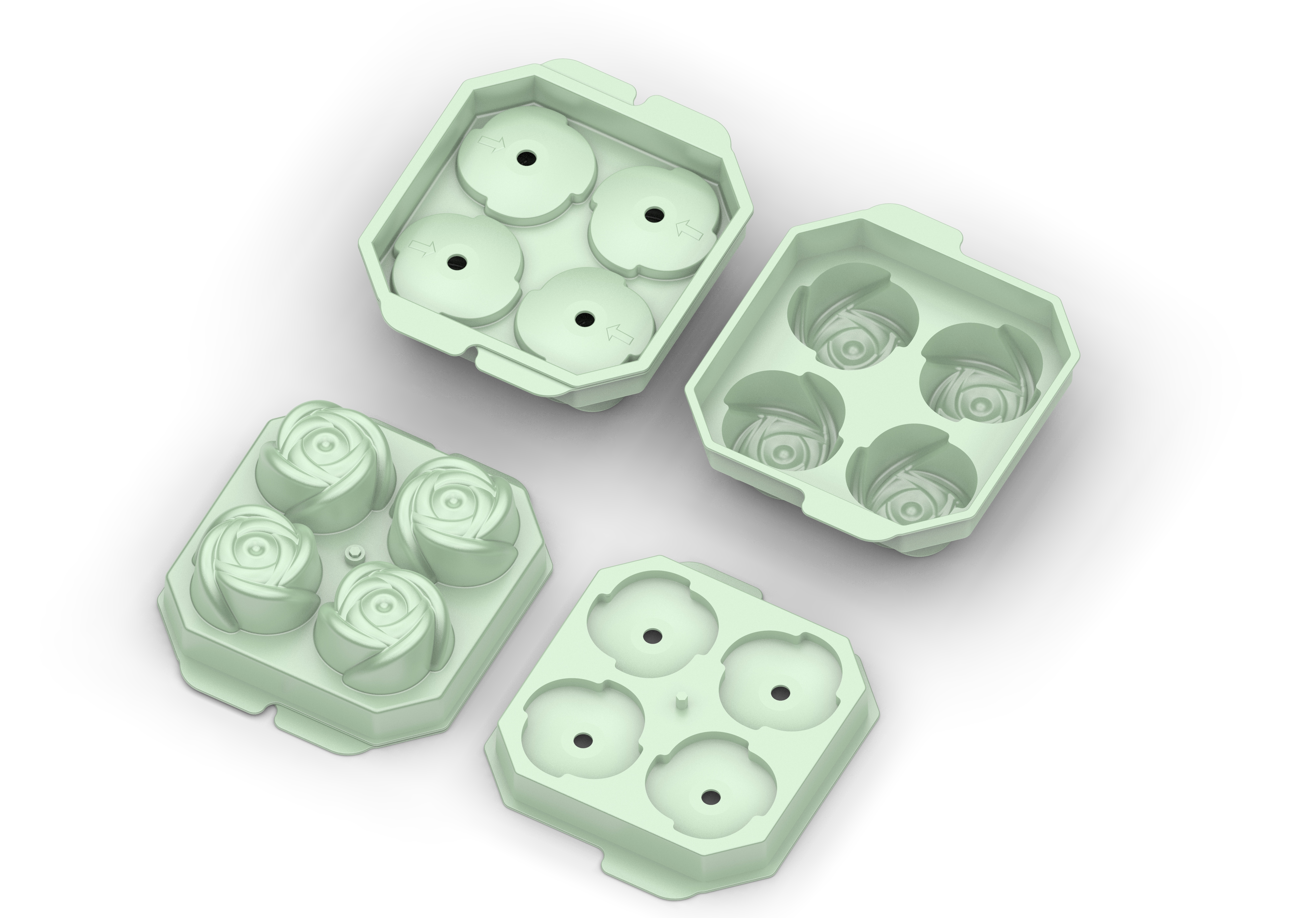
Ice Tray Manufacturer: How to Source Quality Ice Molds
Choosing an ice tray manufacturer is not only about finding a low unit price. For retailers, distributors, hospitality buyers, and private-label brands, the right supplier affects product consistency, packaging presentation, after-sales issues, and repeat orders. Ice trays are simple products at first glance, but buyers still need to evaluate materials, mold design, usability, packaging, and commercial terms before committing to wholesale or OEM production.
The original article highlighted the role of an ice tray manufacturer, the popularity of silicone ice trays, and the value of working with a trusted supplier. This updated guide expands those points into a practical B2B sourcing checklist so buyers can make more confident decisions.
Key Takeaways
- Define the intended sales channel before selecting an ice cube mold design, material, and packaging format.
- Silicone ice trays are valued for flexibility and easier ice removal, but buyers should verify material and safety documentation with the supplier.
- For OEM or wholesale orders, ask about customization options, sample approval, packaging, quality inspection, and lead time before placing a purchase order.
- A good ice tray supplier should answer technical and commercial questions clearly instead of relying on vague product claims.
The Role of an Ice Tray Manufacturer
An ice tray manufacturer turns a basic kitchen item into a repeatable, scalable product suitable for retail shelves, online marketplaces, promotional programs, or hospitality use. The manufacturer may support mold development, material selection, production, packaging, and shipment preparation. For buyers, the goal is to confirm that the supplier can produce trays that match the intended market and remain consistent across batches.
Important sourcing questions include: What materials are available? Can the supplier provide samples? Are existing molds available, or is a new mold required? What packaging formats are offered? How are defects handled? These questions are especially important when purchasing for private label, where the buyer’s brand is attached to the final product.
Why Silicone Ice Trays Are Popular
Silicone ice trays have become common because they are flexible and can make ice removal easier than rigid trays. The original article also noted that silicone trays are often associated with resistance to extreme temperatures and BPA-free positioning. Because these points relate to product safety and performance, buyers should not rely on catalog text alone. Ask the supplier for the specific material description, applicable test reports if available, and any documentation needed for the destination market.
Silicone trays may be suitable for larger cubes, novelty shapes, bar accessories, and home use. However, flexibility can vary by design, wall thickness, and mold shape. A tray that looks attractive in photos may be difficult to fill, carry, stack, or release if the design has not been tested well. Always evaluate physical samples with water before confirming a bulk order.
Comparing Common Ice Tray Options
Different buyers need different ice tray formats. A supermarket houseware line, a bar supply distributor, and an e-commerce gift brand may all require different features. The table below can help narrow the selection.
| Option | Best For | Buyer Checks |
|---|---|---|
| Silicone ice tray | Flexible release, shaped cubes, home bars, gift sets | Ask about material details, odor control, flexibility, temperature claims, and test documents. |
| Rigid plastic ice tray | Budget retail, basic household use, stackable packs | Check cracking risk, release performance, stacking stability, and material information. |
| Covered ice tray | Freezer storage, online retail, hygiene-focused positioning | Review lid fit, leakage during carrying, packaging size, and user instructions. |
| Large cube or sphere mold | Cocktail programs, bars, premium beverage accessories | Test cube size, release difficulty, freezing time, and presentation consistency. |
| Custom OEM mold | Private label, promotional products, unique shapes | Confirm mold cost, ownership terms, sample timeline, artwork rules, and revision process. |
OEM and Wholesale Sourcing Checklist
Before selecting an ice tray supplier, prepare a clear product brief. This reduces misunderstanding and helps suppliers quote accurately. A good brief does not need to be complicated, but it should include the basics.
- Product type: silicone tray, plastic tray, covered tray, large cube mold, or custom shape.
- Target market: retail store, e-commerce, hospitality, promotional use, or private label.
- Expected packaging: color box, simple sleeve, polybag, display box, or custom branded packaging.
- Color and design needs: standard colors, custom colors, logo placement, or existing mold options.
- Documentation needs: ask what material declarations, test reports, or compliance support the supplier can provide for your market.
- Quality expectations: define acceptable appearance, odor, flashing, deformation, lid fit, and packaging damage limits.
- Commercial questions: request MOQ, sample cost, production lead time, payment terms, shipping method, and defect handling policy.
How to Evaluate Samples
Sample testing is one of the most useful steps in ice tray sourcing. Do not judge only by color or shape. Fill the tray with water, carry it to the freezer, test stacking, freeze completely, and remove the ice as an end user would. Note whether cubes release cleanly, whether the tray twists comfortably, and whether water spills easily when the tray is moved.
Also check the tray after several freeze-and-release cycles. Look for cracking, deformation, strong odor, rough edges, poor lid fit, or inconsistent cavities. For silicone ice cube molds, confirm whether the flexibility is practical: too soft can be unstable when full, while too stiff may reduce the benefit of easy release.
Packaging, Branding, and Retail Readiness
For wholesale buyers, packaging can be as important as the tray itself. A well-designed ice tray may still perform poorly in retail if the packaging is unclear, oversized, fragile, or missing use instructions. Ask the supplier whether packaging artwork templates are available and what file formats are needed. Confirm barcode placement, product name, color labeling, carton marks, and inner carton arrangements.
If you plan to sell online, consider how the tray photographs, how packaging protects the product during parcel shipping, and whether the product description can be supported by documentation. Avoid exaggerated claims unless the supplier can provide proof. Clear, accurate product information reduces customer complaints and protects long-term brand trust.
Questions to Ask an Ice Tray Supplier
- Which existing ice tray molds are available for wholesale orders?
- Can you support OEM color, logo, packaging, or custom mold development?
- What materials are used, and what documentation can be provided?
- How do you inspect trays before shipment?
- What are the common defect types, and how are they controlled?
- What is the MOQ for standard products and customized products?
- How long do samples and bulk production usually take?
- Can you provide carton dimensions and estimated shipment weight before order confirmation?
Practical FAQ
What should I look for in an ice tray manufacturer?
Look for clear communication, stable sample quality, transparent material information, packaging support, and a defined inspection process. For OEM projects, also ask about mold development, revision steps, and artwork requirements.
Are silicone ice trays better than plastic ice trays?
Silicone trays are often easier to flex, which can help with ice removal. Plastic trays may be suitable for simple, cost-sensitive programs. The better option depends on your price point, sales channel, design, and end-user expectations.
Can I order custom ice cube molds for private label?
Many suppliers may offer OEM or private-label services, but buyers should confirm mold availability, logo options, packaging choices, MOQ, sample timing, and any tooling cost before starting the project.
What documents should I request from a supplier?
Ask for material information, available test reports, product photos, packaging specifications, and quality inspection standards. The exact documents needed depend on your destination market and sales channel.
How can I reduce quality problems in bulk orders?
Approve a physical sample, create a written specification, confirm packaging details, and agree on inspection criteria before production. If the order is large or time-sensitive, consider pre-shipment inspection.
Final Sourcing Advice
An ice tray manufacturer should be evaluated on more than appearance. Good sourcing combines product testing, clear specifications, realistic packaging planning, and careful supplier questions. Whether you are buying silicone ice trays, standard ice cube molds, or a custom OEM design, the safest approach is to verify samples and documentation before scaling to a wholesale order.
