




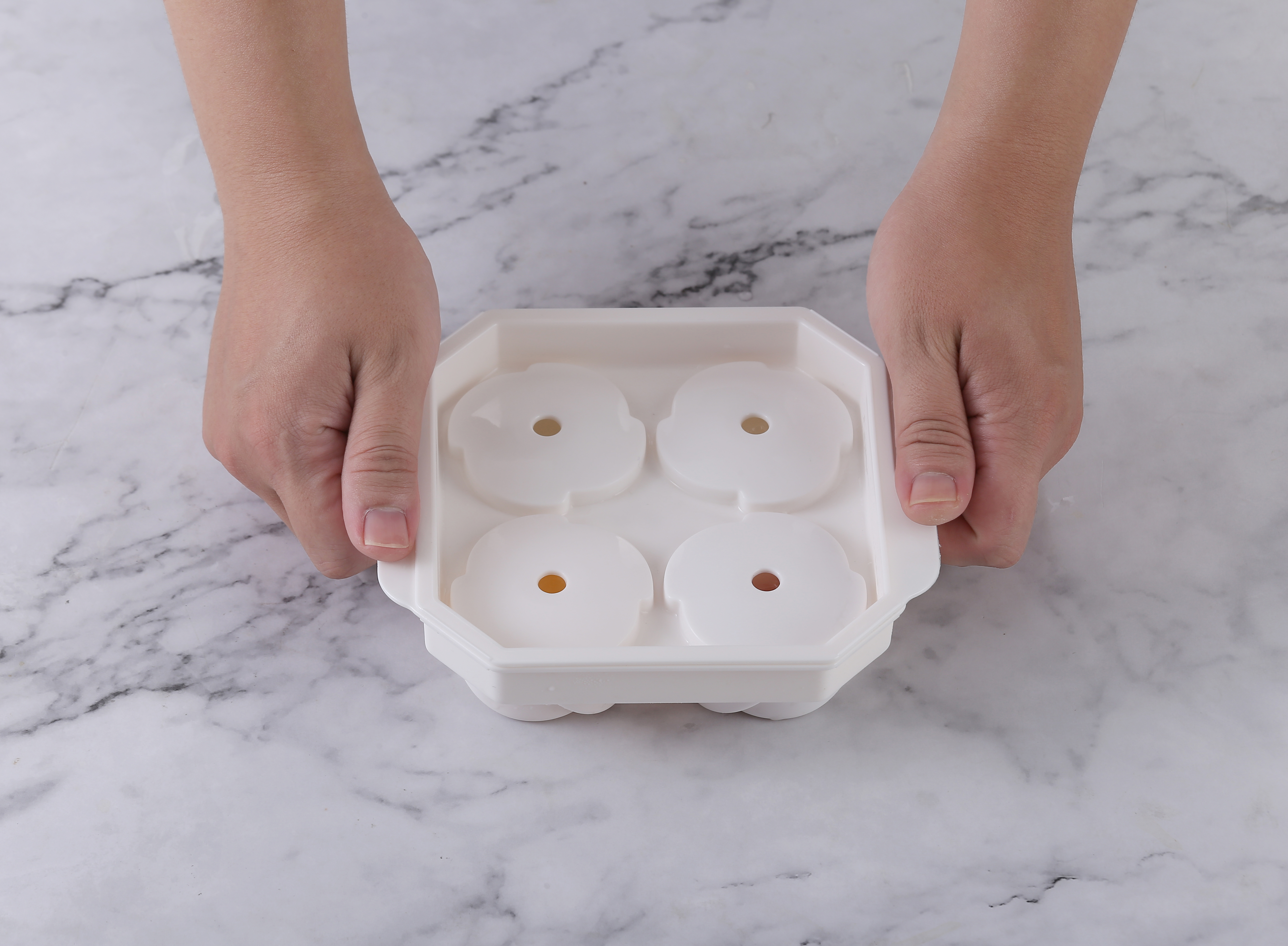
Ice Tray Manufacturer: How to Source Silicone Ice Molds
Choosing an ice tray manufacturer is not only about finding a low unit price. For retailers, promotional buyers, kitchenware brands, hospitality distributors, and OEM sourcing teams, the right supplier should be able to explain materials, tooling, production consistency, packaging options, and quality control in clear commercial terms. The original product focus is a silicone ice tray, including a hexagonal ice ball mold design intended to create distinctive ice for whiskey, lemonade, water, cocktails, and everyday beverages. This guide explains how to evaluate that type of product without relying on vague claims or decorative language.
Key Takeaways
- Start by defining the exact ice shape, tray size, packaging style, and sales channel before requesting a quotation.
- Ask the manufacturer to confirm material details, compliance documents, sample availability, and quality control steps.
- For OEM or wholesale orders, clarify tooling ownership, logo placement, carton packing, lead time, and reorder process.
- Check the practical user experience: ice release, flexibility, cleaning, storage, and whether the mold fits common freezer spaces.
What Buyers Should Know About Silicone Ice Trays
Silicone ice trays are popular because the material is flexible, which can make frozen ice easier to release than from rigid plastic trays. A hexagonal ice ball mold adds a visual difference compared with standard cube trays and can be useful for bars, gift sets, home cocktail kits, and kitchenware assortments. However, buyers should avoid assuming every silicone mold performs the same way. Thickness, cavity design, lid fit, surface finish, and mold consistency all affect the final user experience.
When reviewing a sample, freeze water in the tray, release the ice, wash the mold, and repeat the process several times. This simple check can reveal whether the cavity shape is easy to fill, whether the ice breaks during removal, and whether the tray feels stable when carried to the freezer. If the item is intended for retail, also test how it looks in packaging and whether the instructions are clear for first-time users.
Define the Product Before Contacting a Factory
A sourcing request becomes much more efficient when the buyer provides a clear specification. Instead of asking for a general ice tray price, prepare a short product brief. Include the intended market, order type, preferred color, tray dimensions if known, number of cavities, ice shape, packaging requirements, and whether a logo or private label is needed.
For a hexagonal ice ball mold, consider how the shape will be described on packaging and online listings. Buyers should also decide whether the product is sold as a single mold, a set, a bar accessory, or part of a drinkware bundle. These decisions affect packaging size, carton weight, photography needs, and the type of quality checks that should be requested before shipment.
Manufacturer, Supplier, or Trading Partner?
The terms manufacturer and supplier are often used together, but they do not always mean the same thing. A manufacturer may operate production equipment and tooling directly. A trading supplier may coordinate with one or more factories. Either model can work, but the buyer should understand who controls sampling, production scheduling, inspection, and after-sales communication.
Ask direct questions: Does the company produce silicone ice trays in-house? Who owns or maintains the mold tooling? Can the same factory handle repeat orders in the same color and packaging? What documents can be provided for the target market? If the answer is unclear, request a written confirmation before placing a bulk order.
Comparison Checklist for Ice Tray Sourcing
| Evaluation Area | What to Check | Questions to Ask the Supplier |
|---|---|---|
| Material | Silicone type, odor, flexibility, color consistency | What material information and compliance documents can you provide? |
| Design | Hexagonal shape, cavity finish, lid fit if included, ease of filling | Can you send samples or photos of finished ice from this mold? |
| Ice Release | How easily the frozen shape releases without cracking | Have you tested release performance after repeated freezing cycles? |
| OEM Options | Logo, color, packaging, instructions, barcode, carton marks | Which customization options are available, and what affects cost or lead time? |
| Quality Control | Visual defects, weight variation, packaging accuracy, carton condition | What inspection steps are used before shipment? |
| Commercial Terms | MOQ, sample cost, payment terms, lead time, reorder support | What terms apply to my order quantity and destination market? |
OEM and Wholesale Details to Confirm
OEM buyers should not wait until production to discuss customization. Confirm whether the manufacturer can support the required color, logo method, retail box, instruction sheet, warning text, and shipping marks. If a new mold is needed, ask about tooling cost, development timeline, ownership, maintenance, and whether the tool can be used for future reorders.
For wholesale orders, packaging consistency is often as important as the tray itself. A product may perform well but still create problems if cartons are weak, labels are missing, or inner packs do not match warehouse requirements. Share your delivery channel early, especially if the goods will move through distributors, e-commerce fulfillment centers, or promotional campaign warehouses.
Quality Checks That Matter
A practical inspection plan should match how the product will be used. For silicone ice molds, buyers can request checks for appearance, color consistency, cavity shape, burrs or rough edges, packaging print accuracy, and carton labeling. Functional checks may include filling the mold with water, freezing, releasing the ice, and confirming that the tray can be washed and reused without obvious deformation during normal handling.
Do not rely only on product photos. Request pre-production samples when possible, and compare them with the approved sample before mass shipment. If the order is large or going to a regulated market, ask what third-party testing or documentation is appropriate for your destination. The supplier should be able to explain what they can provide and what must be arranged separately.
Use and Care Points for End Customers
Clear use instructions reduce complaints and returns. For a silicone hexagonal ice mold, customers should usually fill the cavities carefully, leave enough space for water expansion, place the tray on a flat freezer surface, and allow enough freezing time before release. They should twist or flex the mold gently rather than using sharp tools that could damage the silicone.
- Wash the tray before first use according to the supplier's instructions.
- Fill slowly to reduce spills and uneven shapes.
- Freeze on a level surface for more consistent ice.
- Release the ice by flexing the mold instead of forcing it with a knife.
- Store the tray dry when not in use to keep it ready for the next cycle.
Practical FAQ
What information should I send to an ice tray manufacturer?
Send the target ice shape, tray size, quantity, color, packaging type, sales market, logo needs, and any compliance or warehouse requirements. A clear brief helps the supplier quote accurately.
Is silicone better than rigid plastic for ice trays?
Silicone is valued for flexibility and easier ice release, while rigid plastic may feel more structured. The better choice depends on the product design, target price, packaging plan, and user expectations.
Can a hexagonal ice ball mold be customized?
Customization may be possible, but buyers should ask which parts can change. Color and packaging are usually simpler than changing the mold shape, which may require new tooling.
What should I ask before placing a wholesale order?
Ask about MOQ, sample approval, production lead time, packaging details, inspection process, payment terms, shipping carton specifications, and what happens if defects are found.
How can I reduce quality risks?
Approve a physical sample, define inspection standards in writing, confirm packaging artwork carefully, and request shipment photos or third-party inspection when the order value justifies it.
Final Sourcing Advice
An ice tray manufacturer should be evaluated on more than design appearance. A silicone hexagonal ice ball mold can be a strong product for beverage, barware, and kitchenware assortments when the supplier can support consistent production, clear documentation, practical packaging, and reliable communication. Buyers who ask detailed questions early are more likely to receive products that match their market, avoid preventable delays, and support repeat orders with fewer surprises.
