




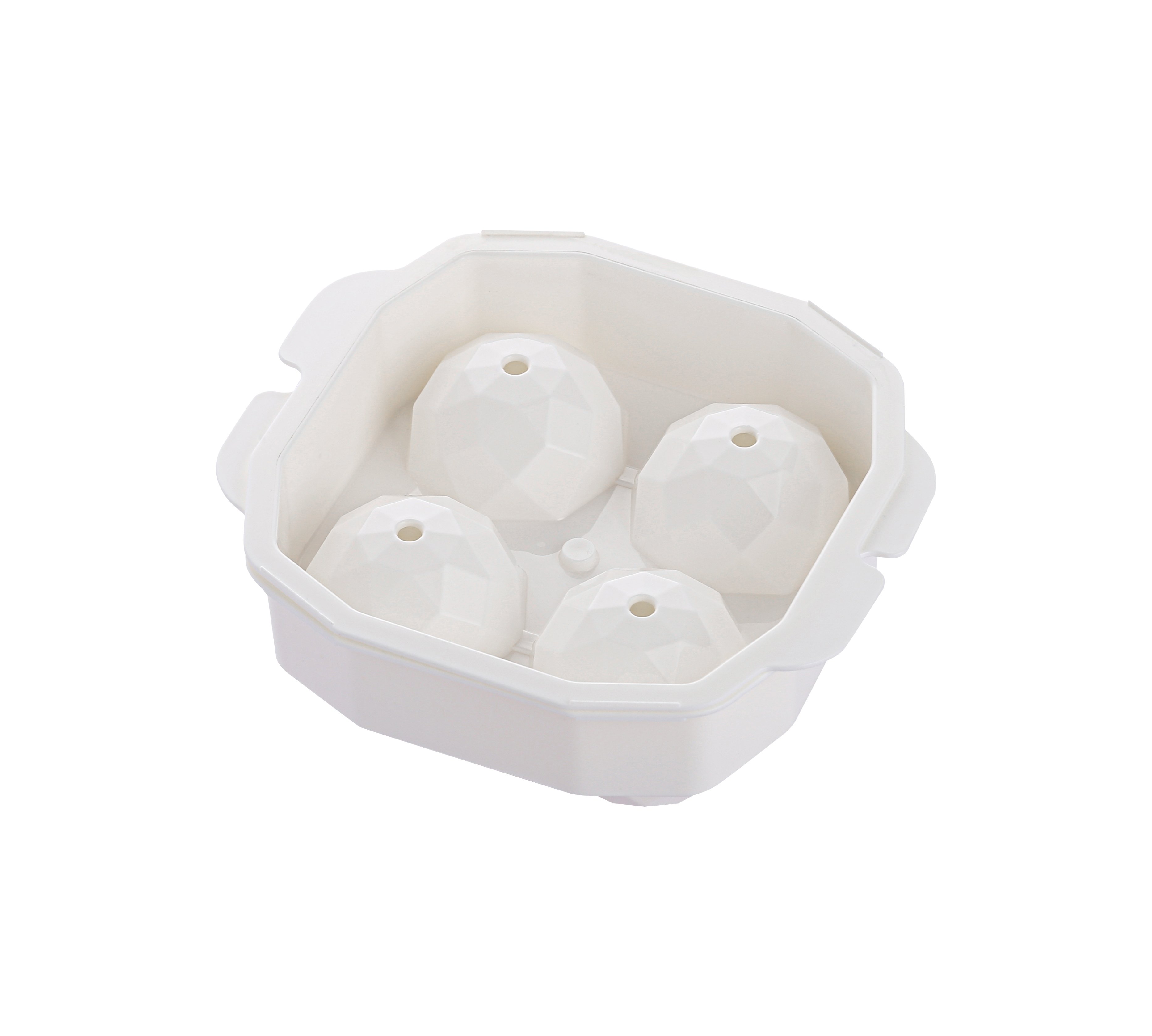
Ice Tray Manufacturing: Innovations & Suppliers
Ice tray manufacturing has moved beyond basic plastic cube molds. Buyers now compare materials, release performance, mold design, packaging requirements, and supplier reliability before placing wholesale or OEM orders. For houseware brands, distributors, promotional product companies, and retailers, the goal is not simply to find the lowest unit price. The better question is whether a supplier can consistently deliver ice trays that match the intended use, customer expectations, and market positioning.
The original article highlighted the growing role of silicone ice trays, ice cube tray suppliers, and ice ball maker molds. This updated guide expands that topic into a practical sourcing framework, with attention to design selection, supplier questions, and quality checkpoints. It avoids assuming technical specifications that should be confirmed directly with a manufacturer.
Key Takeaways
- Ice tray manufacturing usually involves decisions about material, cavity shape, release performance, durability, packaging, and production consistency.
- Silicone ice trays are popular because they are flexible and can make ice easier to release, but buyers should still verify material details and testing documentation with the supplier.
- Ice ball maker molds appeal to cocktail, barware, and gift markets because spherical ice can melt more slowly than small cubes in many drink applications.
- B2B buyers should ask clear questions about tooling, sample approval, packaging options, inspection standards, and lead times before confirming an order.
What Ice Tray Manufacturing Involves
At its core, ice tray manufacturing is the process of designing and producing a mold that turns water into a repeatable frozen shape. The final product may be a traditional cube tray, a large cube mold, a sphere mold, a covered tray, or a novelty design. While the item looks simple, small details can affect user satisfaction: how easily the tray fills, whether it spills during movement, how cleanly the ice releases, and how the product feels after repeated freezer use.
Manufacturers may work with different materials, including silicone and plastic. The original article specifically noted silicone and plastic as common resources in the supply chain and described silicone trays as flexible, easy to clean, and resistant to cracking. When sourcing, buyers should not rely on general material claims alone. Ask the supplier what material is used, whether it is suitable for the intended food-contact market, and what supporting documents are available.
The Role of Ice Cube Tray Suppliers
An ice cube trays supplier can support different stages of a buyer’s project. Some suppliers offer existing designs for wholesale purchase, while others may support custom colors, branded packaging, or OEM development. For a first order, an existing mold can reduce development complexity. For a private label program, buyers may need more detailed coordination on appearance, packaging artwork, barcode placement, instruction language, and carton packing.
Supplier selection should focus on process discipline as much as product appearance. A good sourcing conversation should cover how samples are approved, how production changes are communicated, and how quality issues are handled. If a product listing mentions BPA-free material, as the original article did for an ice ball maker mold, ask for the relevant supporting documentation rather than treating the claim as automatic across all products.
Silicone Ice Trays: Advantages and Checks
Silicone ice trays are widely used because flexibility helps users remove ice without twisting a rigid tray. This is especially useful for larger cubes and sphere molds, where a firm release can be difficult. Silicone can also support creative cavity shapes, such as hemispheres used to form ice balls. The original article noted that silicone trays may withstand extreme temperatures; buyers should confirm the specific temperature range for the exact item being purchased.
For B2B buyers, the main advantage of silicone is consumer convenience, but the main sourcing task is verification. Ask whether the supplier can provide material information, care instructions, packaging warnings if needed, and sample units for freezer testing. Test how the tray performs with water filled to the recommended level, how easy it is to carry, and whether the final ice shape meets the product concept.
Modern Ice Tray Design Options
Design innovation in ice trays often focuses on practical details rather than complicated technology. Examples include larger cavities, sphere molds, filling funnels, covers, handles, stackable shapes, and flexible release zones. The original article mentioned an Ice Ball Maker Mold with hemispheric cavities, a funnel concept for easier filling, and built-in handles for spill-free handling. These are useful ideas for buyers targeting home bar, hospitality, gifting, or beverage accessory categories.
When evaluating a design, consider the end user. A barware customer may prefer a large sphere or cube for cocktails. A family kitchen customer may prioritize stackability and easy cleaning. A promotional buyer may care more about branding space and giftable packaging. A wholesale distributor may want a design that is simple, durable, and easy to explain on a product page.
Comparison Checklist for Sourcing Ice Trays
| Selection Factor | What to Review | Questions to Ask the Supplier |
|---|---|---|
| Material | Silicone, plastic, or mixed construction | What exact material is used, and what documentation can be provided? |
| Ice shape | Cubes, large cubes, spheres, or novelty forms | Can samples confirm the final ice size and release performance? |
| User handling | Filling, carrying, stacking, and release | Does the design include a lid, funnel, handle, or fill line? |
| Cleaning | Ease of rinsing and residue removal | What care instructions should be printed or included? |
| Packaging | Retail box, label, insert, or bulk packing | Can packaging be customized, and what files are required? |
| Quality control | Appearance, dimensions, odor, defects, and packing | What inspection criteria are used before shipment? |
How B2B Buyers Should Evaluate a Factory or Supplier
Before committing to a production order, request samples that match the intended material, color, and packaging as closely as possible. Test the sample in realistic conditions: fill it, move it to the freezer, release the ice, clean it, and repeat the process. For ice ball maker molds, check whether the hemispheres align well and whether excess water can escape or be managed cleanly.
Commercial details should be confirmed directly. Ask about minimum order quantity, production lead time, mold ownership if tooling is involved, available colors, packaging choices, shipping carton details, and after-sales handling. If compliance is important for your market, ask which tests or documents are available for the specific product and order. Do not assume that one tray’s documentation applies to another design or material.
Common Mistakes to Avoid
- Choosing by photo only: Product images do not show release performance, smell, stiffness, or packing quality.
- Ignoring packaging early: Retail-ready packaging can affect cost, lead time, and carton dimensions.
- Using vague specifications: Confirm cavity count, ice shape, product size, color, material, and included accessories in writing.
- Skipping sample testing: A sample can reveal filling problems, leaking, awkward handling, or difficult ice removal.
- Assuming all claims apply: Verify BPA-free, food-contact, temperature, or cleaning claims for the exact item being ordered.
FAQ
What is the difference between silicone and plastic ice trays?
Silicone trays are generally valued for flexibility and easy ice release, while plastic trays may be more rigid. The best choice depends on the product design, target price, and user expectations.
Are ice ball maker molds mainly for cocktails?
They are often used for cocktails and premium beverage presentation, but they can also fit gifting, home bar, and hospitality categories. Buyers should test the finished ice size with common glassware.
What should I ask an ice cube trays supplier before ordering?
Ask about material, sample availability, packaging options, lead time, MOQ, inspection standards, shipping details, and what documents support any product claims.
Can an existing ice tray design be used for private label sales?
Often yes, but the supplier must confirm available branding and packaging options. Buyers should also check whether the design is open for their market and whether custom packaging is possible.
How can buyers reduce sourcing risk?
Use a written specification sheet, approve pre-production samples, confirm packaging artwork, define inspection requirements, and keep all commercial terms documented before mass production.
