




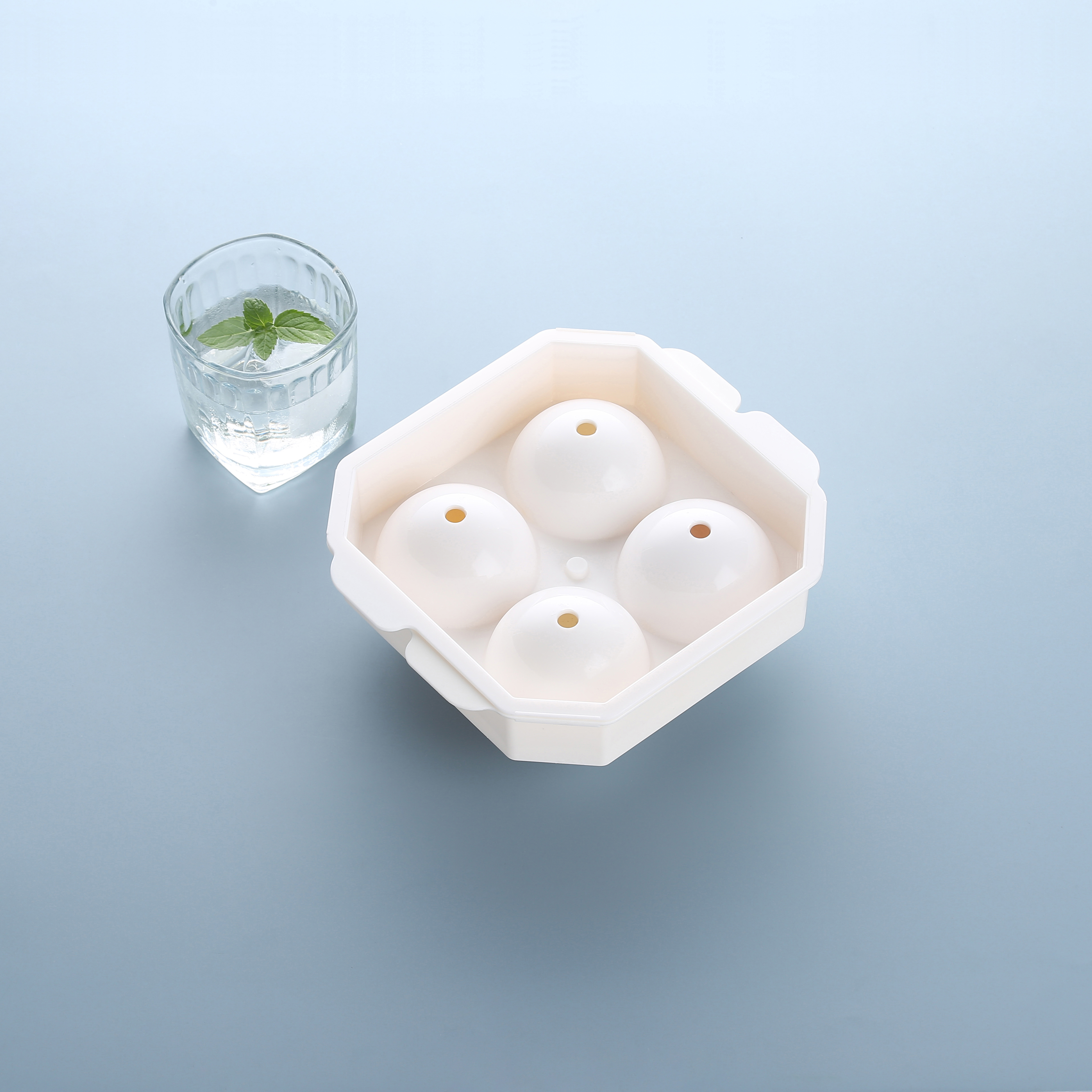
Ice Tray Manufacturing: Innovations, Suppliers, and Trends
Ice tray manufacturing sits in a practical corner of the houseware supply chain: the product is familiar, but buyer expectations can vary widely. A supermarket line, promotional gift program, kitchenware brand, barware collection, or hospitality supplier may all need different tray sizes, packaging formats, shapes, and quality controls. For importers, wholesalers, and OEM buyers, the goal is not only to find an attractive tray, but to identify a supplier that can communicate clearly, sample responsibly, and maintain consistent production.
The original article highlights several useful themes: ice trays are made in different shapes and sizes, silicone ice trays are valued for flexibility and easy release, and suppliers are important for bulk purchasing and customization. This revised guide expands those points into a sourcing checklist buyers can use when evaluating ice cube trays suppliers and manufacturing options.
Key Takeaways
- Define the sales channel and user scenario before choosing tray material, size, shape, and packaging.
- Silicone ice trays are popular because flexible molds can help users release ice more easily than rigid formats.
- Do not assume food-contact compliance, temperature resistance, or material grade; request documentation and test reports from the supplier.
- For OEM or wholesale orders, confirm tooling, sample approval, packaging, inspection criteria, and lead time before placing a bulk order.
What Ice Tray Manufacturing Usually Involves
Ice tray manufacturing begins with product design. A buyer may request a standard cube tray, a larger format for cocktails, a shaped mold for seasonal promotions, or a tray designed for everyday household freezers. The design affects mold construction, material consumption, production efficiency, packaging size, and final retail positioning.
After design confirmation, the supplier typically prepares samples for review. Buyers should inspect dimensions, wall thickness, lid fit if included, ease of release, surface finish, odor, color consistency, and packaging presentation. If the order is for a brand or retailer, the buyer should also verify labeling requirements, barcode placement, carton marks, and any country-specific import documentation with the supplier and compliance adviser.
Quality control should not be left until shipment. Clear expectations at the sample stage reduce disputes later. For example, if a shaped ice mold must release cleanly, agree on how release performance will be evaluated. If a tray is intended for repeated household use, ask how the supplier checks durability and whether the chosen material is suitable for freezing, washing, and storage conditions.
Common Ice Tray Materials and Selection Factors
The source article specifically mentions silicone ice trays, along with traditional plastic or metal trays. Each option can serve a different market position. Buyers should avoid choosing by appearance alone; the right choice depends on user habits, price target, compliance needs, and packaging strategy.
| Option | Potential Advantages | Questions to Ask Suppliers |
|---|---|---|
| Silicone ice trays | Flexible structure can make ice release easier; useful for shaped or larger molds. | What material documentation is available? What temperature range is recommended? How is odor controlled? |
| Plastic ice trays | Often suited to standard cube formats and compact retail packaging. | What resin is used? Is it intended for food contact? How is brittleness after freezing checked? |
| Metal ice trays | May appeal to buyers seeking a different appearance or niche positioning. | What metal is used? How is corrosion resistance assessed? Are edges and levers safe to handle? |
| Custom shaped molds | Useful for barware, events, gifts, or branded product lines. | Is new tooling required? Who owns the mold? What are the sampling and revision steps? |
Why Silicone Ice Trays Remain Popular
Silicone ice trays have gained attention because flexibility can make frozen cubes or shapes easier to remove. This matters for home users, cafés, bars, and gift sets where convenience affects repeat purchase. Silicone also allows manufacturers to create more varied forms, including spheres, large cubes, novelty shapes, or multi-cavity molds.
However, buyers should be precise when discussing silicone. Do not rely on general phrases such as “food grade” without evidence. Ask the supplier what documents are available for the exact material and colorant used in the product. If the tray includes a lid, check whether the lid material has separate documentation. If the product will be sold in a regulated market, confirm which testing standards are relevant with a qualified compliance professional.
It is also worth reviewing user experience. A tray that releases ice easily may still have issues if it spills when carried, absorbs freezer odors, is difficult to fill, or takes too much shelf space. Sample testing in a real freezer is a simple but useful step before moving to mass production.
How to Evaluate Ice Cube Trays Suppliers
Ice cube trays suppliers can be factories, trading companies, export agents, or wholesalers. Each model can work, but the buyer should understand who controls production, who manages quality, and who is responsible if specifications are not met. A strong sourcing process should include documentation, samples, commercial terms, and inspection planning.
- Clarify the product brief: Include cavity size, total tray dimensions, material preference, color, packaging, lid requirements, and target market.
- Request representative samples: Ask whether samples come from current production, a pilot mold, or a previous customer project.
- Discuss compliance early: Ask what food-contact documents, material declarations, or third-party test reports can be provided for the exact product.
- Confirm customization limits: Shapes, logos, colors, and packaging may require tooling, minimum order quantities, or longer lead times.
- Set inspection criteria: Define acceptable defects, color tolerance, packaging checks, carton drop expectations, and sampling method.
- Review communication quality: A supplier that answers technical questions clearly is usually easier to manage during production.
OEM and Wholesale Questions Buyers Should Ask
For OEM projects, the most important details are often commercial rather than visual. A buyer should ask whether the supplier can support private label packaging, whether new tooling is needed, how design files should be submitted, and how many sample rounds are included before production. If the buyer wants a custom shape, clarify mold ownership, maintenance, storage, and what happens if the design changes later.
Wholesale buyers should focus on consistency and availability. Ask whether the supplier keeps standard molds in regular production, how colors are controlled between batches, and whether packaging can remain consistent for repeat orders. If purchasing for retail, request inner carton and master carton details before confirming shelf plans or logistics costs.
Commercial details such as MOQ, prices, payment terms, production lead time, and export documents vary by supplier and project. Because the original source does not provide Bonet-specific figures, buyers should request current written quotations and confirm all terms before ordering.
Innovation and Market Trends in Ice Tray Manufacturing
The market is moving beyond basic cube trays. The source article notes interest in advanced designs, smart features, spherical ice, shaped ice, and products for both home and bar settings. In practice, many buyers are seeing demand for larger cubes for cocktails, compact trays for small freezers, covered trays to reduce spills, and giftable molds with distinctive shapes.
Sustainability is also discussed frequently in kitchenware sourcing, but buyers should avoid vague claims. Instead of accepting a broad “eco-friendly” statement, ask whether the product is reusable, how long it is expected to last, what packaging materials are used, and whether any environmental claim can be supported in the destination market.
Innovation should still be practical. A smart indicator or unusual shape may sound appealing, but it must justify cost, packaging space, and user complexity. For many B2B buyers, the best product is one that balances simple use, reliable manufacturing, clear compliance documentation, and predictable repeat orders.
Practical FAQ
What should I check first when sourcing ice tray manufacturing?
Start with the intended sales channel and user. A retail kitchenware product, bar accessory, promotional gift, and hospitality supply item may need different materials, packaging, and quality checks.
Are silicone ice trays always better than plastic trays?
Not always. Silicone can help with flexible release and shaped molds, while plastic may suit standard formats and certain price targets. Compare samples in real use before deciding.
Can suppliers make custom ice tray shapes?
Many suppliers may offer customization, but custom shapes can require new tooling, extra sampling, and higher order commitments. Ask about tooling cost, ownership, and revision procedures.
What documents should I request for food-contact products?
Ask for material declarations and any available third-party test reports for the exact product, color, and components. Requirements vary by market, so confirm final obligations with a compliance specialist.
How can I reduce quality problems in bulk orders?
Approve a clear sample, create a written specification sheet, define defect limits, confirm packaging details, and arrange inspection before shipment when appropriate.
Final Sourcing Advice
Ice tray manufacturing looks simple until details such as material documentation, release performance, packaging, and repeat-order consistency are examined. For B2B buyers, the safest approach is to treat the product as a structured sourcing project: define the brief, test samples, ask specific supplier questions, and document every agreed requirement. Whether choosing silicone ice trays, standard cube trays, or a custom shaped mold, careful evaluation helps protect both product quality and long-term supply reliability.
