




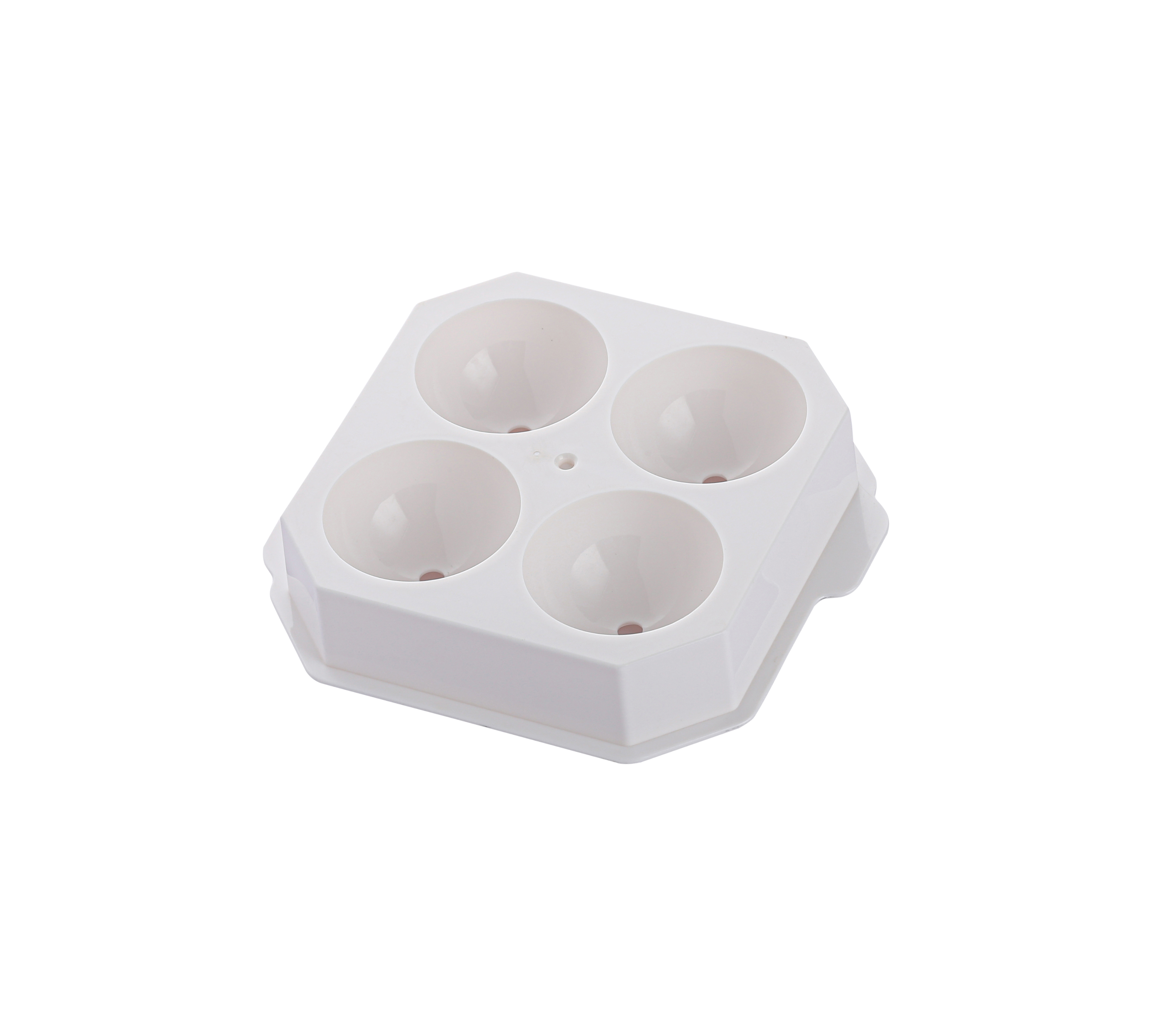
Ice Tray Manufacturing: The Rise of Silicone Ice Trays
Ice tray manufacturing has moved beyond simple rigid plastic molds. Today, many retailers, hospitality buyers, promotional product companies, and kitchenware importers are evaluating silicone ice trays because they are flexible, easy to clean, and suitable for creative ice shapes. The original appeal is simple: a good tray should freeze water efficiently, release ice without excessive force, and hold up to repeated use.
For B2B buyers, however, the decision is not only about the look of the tray. A sourcing program should consider material questions, mold design, packaging, supplier communication, quality control, and the intended sales channel. This guide explains how silicone ice trays fit into modern ice tray manufacturing and what buyers should ask before placing wholesale or OEM orders.
Key Takeaways
- Silicone ice trays are popular because their flexibility can make ice release easier than with many rigid trays.
- Buyers should verify material, temperature range, odor control, packaging, and compliance documents directly with the supplier.
- Unique shapes, such as round or hexagonal ice molds, can add value but also require careful mold design and filling tests.
- Wholesale and OEM buyers should request samples and define inspection standards before confirming bulk production.
Why Silicone Ice Trays Have Gained Attention
Silicone ice trays have become common in kitchenware lines because they solve a practical user problem: removing ice. Traditional rigid trays can require twisting or striking, which may lead to cracks over time. Silicone trays are flexible, so users can often push from the bottom of each cavity to release cubes, balls, or custom shapes more smoothly.
Another reason for the rise of silicone is design freedom. Manufacturers can create standard cubes, large cocktail cubes, spheres, honeycomb shapes, or novelty molds. The original article mentioned a hexagonal ice ball maker mold as an example of how silicone can be used to form attractive ice for beverages. For brands serving home bars, cafes, restaurants, and gift channels, this variety can support more targeted product ranges.
Understanding the Ice Cube Trays Supplier Role
An ice cube trays supplier is more than a source of finished goods. In a successful sourcing project, the supplier helps translate a buyer’s target market into a practical product. That may include choosing a mold format, reviewing lid options, discussing color consistency, proposing packaging, and explaining what quality checks are performed before shipment.
Because commercial details vary by supplier, buyers should avoid assuming capacity, minimum order quantity, certifications, or testing results. Instead, ask direct questions and request written confirmation. Important topics include whether the silicone is intended for food-contact use, what documents can be provided, how raw materials are controlled, and whether the supplier supports private label packaging or OEM mold development.
Common Manufacturing and Design Considerations
Silicone ice tray manufacturing typically centers on mold accuracy, material handling, curing, trimming, inspection, and packaging. The exact process may differ by factory, so buyers should focus on outcomes that can be checked. A tray should sit level, fill easily, release ice cleanly, and avoid strong odors after normal washing. Cavities should be consistent enough that the finished ice shape matches the product images and packaging claims.
For buyers developing a new item, small design choices can create big differences in user experience. Thin walls may flex easily but could feel unstable when filled. Deep cavities may produce attractive large ice pieces but may take longer to freeze. Lids can help reduce spills and freezer odors, but they need to fit securely without being difficult to remove. If the product is for bars or restaurants, stackability and speed of use may matter more than decorative shape.
Comparison Checklist for B2B Buyers
| Evaluation Point | What to Check | Questions to Ask the Supplier |
|---|---|---|
| Material | Food-contact suitability, odor, flexibility, color stability | What material documentation can you provide for the silicone used? |
| Ice release | Ease of pushing ice out after freezing | Can you send samples for freeze-and-release testing? |
| Design | Cube, sphere, hexagonal, or custom cavity shape | Do you support existing molds only, or can you develop OEM molds? |
| Packaging | Retail box, label, insert, barcode, or bulk pack | What packaging options are available, and can artwork be reviewed before production? |
| Quality control | Appearance, dimensions, lid fit, cleanliness, odor, packing quantity | What inspection steps are used before shipment? |
How to Select Silicone Ice Trays for Different Channels
Product selection should match the customer and use case. A supermarket kitchenware line may need simple, reliable trays at a competitive cost. A hospitality supplier may prefer larger ice molds for cocktails and presentation. An online seller may focus on distinctive shapes, clear product photography, and packaging that reduces damage in parcel delivery.
- Define the end user: home kitchen, bar, restaurant, gift buyer, or promotional campaign.
- Choose the ice format: standard cubes for daily use, large cubes for slower dilution, or shaped molds for visual appeal.
- Request samples: test filling, carrying to the freezer, stacking, freezing, ice release, washing, and odor after use.
- Confirm packaging needs: retail packaging, multilingual instructions, care guidance, or bulk cartons.
- Set inspection criteria: agree on acceptable appearance, dimensions, color, cleanliness, and packing requirements.
Supplier Questions Before Wholesale or OEM Orders
Before committing to a purchase order, buyers should create a clear supplier questionnaire. This reduces misunderstandings and makes quotations easier to compare. Ask whether the product is from an existing mold or requires new tooling. Confirm available colors, lid options, packaging formats, and whether the supplier can provide pre-production samples.
For OEM projects, clarify ownership and use of the mold, lead time for sampling, revision costs, and how the supplier handles design changes. For wholesale sourcing, ask whether the same item has stable availability and whether future reorders will match the approved sample. If compliance documents are required for your target market, request them early and have them reviewed by a qualified party rather than relying on assumptions.
Quality Checks That Matter in Ice Tray Manufacturing
Quality control for ice trays should be practical and repeatable. A visual inspection can identify stains, uneven color, flashing, deformation, or packaging damage. A functional check can confirm whether trays rest flat, lids fit as expected, and ice releases without excessive effort. A simple user test can reveal whether the tray is comfortable to fill, carry, and clean.
Buyers should also consider how the product will be described online or on packaging. Avoid claims that are not supported by documents or testing. If a listing mentions a temperature range, food-contact status, dishwasher suitability, or special performance feature, the buyer should have a basis for that claim from the supplier or independent review.
Future Trends in Silicone Ice Tray Sourcing
The next stage of ice tray manufacturing is likely to focus on better user experience, more efficient packaging, and more thoughtful materials. Easy-fill designs, secure lids, stackable structures, and shapes designed for specific drink categories can all help a product stand out. At the same time, buyers are asking more questions about material origin, documentation, and packaging waste.
For sourcing teams, the best approach is disciplined rather than trend-driven. Start with the target customer, compare samples under real use conditions, verify supplier claims, and document requirements before production. Silicone ice trays can be a strong category when design, manufacturing, and quality expectations are aligned from the beginning.
FAQ
Are silicone ice trays better than plastic ice trays?
They can be easier to release because silicone is flexible. However, the better choice depends on the design, material quality, price target, and the buyer’s sales channel.
What should buyers ask an ice cube trays supplier first?
Ask about material documentation, available molds, sample policy, packaging options, quality control steps, lead time, and whether OEM customization is supported.
Can silicone ice trays be made in custom shapes?
Many suppliers can offer shaped molds or discuss OEM tooling, but buyers should confirm tooling cost, sample timing, revision process, and mold ownership before starting.
How can buyers test samples before bulk production?
Fill the tray, carry it to the freezer, check stacking, freeze water fully, release the ice, wash the tray, and inspect for odor, deformation, lid fit, and user comfort.
What claims should buyers avoid without proof?
Avoid unverified claims about certifications, temperature range, dishwasher safety, food-contact compliance, durability, or environmental benefits unless supporting documents are available.
