




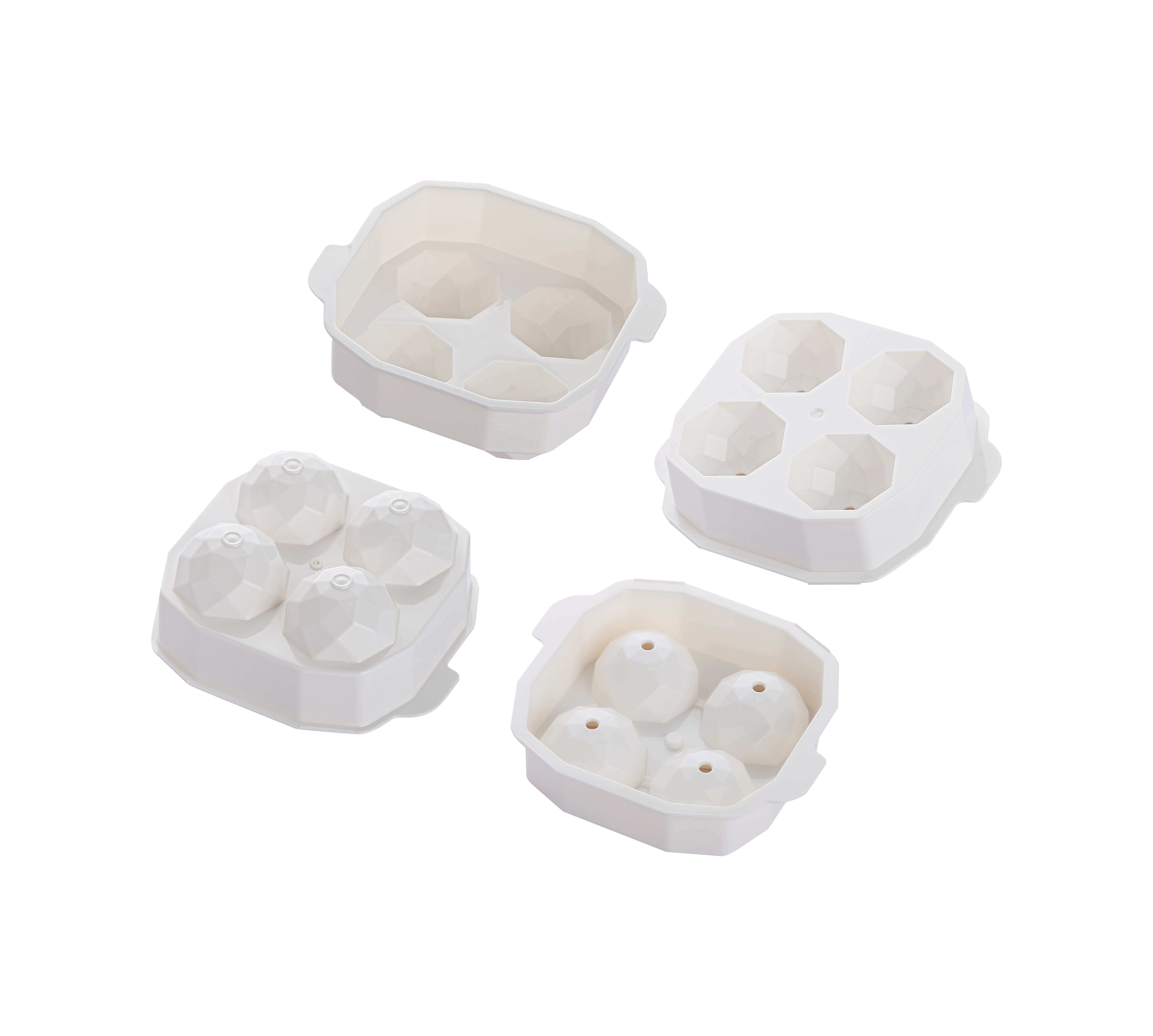
Innovations in Ice Tray Manufacturing: Elevating Drink Presentation
Ice tray manufacturing has moved beyond simple cube-making accessories. Today, buyers may need trays for home kitchens, hospitality programs, promotional product lines, beverage brands, or retail assortments. The goal is still simple: produce clear, usable ice shapes with consistent performance. However, the sourcing process involves many choices, including material, mold structure, filling method, packaging, supplier capability, and quality control.
The original idea behind modern ice trays remains practical. Good trays should be easy to fill, stable in the freezer, simple to release, and durable enough for repeated use. Silicone ice trays have become popular because flexible silicone can help users remove ice more easily than rigid alternatives. For spherical ice, products such as ice ball molds are often chosen for cocktails, spirits, iced coffee, and other drinks where slower dilution and presentation matter.
Key Takeaways
- Ice tray manufacturing is a design-and-sourcing decision, not only a commodity purchase.
- Flexible silicone is commonly used because it can make ice release easier.
- Buyers should verify materials, packaging, quality checks, customization limits, and compliance documents directly with the supplier.
- For OEM or wholesale orders, request samples and test filling, freezing, release, odor, fit, and packaging before confirming production.
How Ice Tray Manufacturing Has Evolved
Traditional ice trays were often rigid and focused mainly on making uniform cubes. Modern designs may include larger cubes, spheres, novelty shapes, stackable lids, funnel-style filling openings, or handles that support safer movement from sink to freezer. These improvements respond to real usage problems: spills during filling, cracked trays, difficult ice removal, freezer odor transfer, and inconsistent freezing.
For drink presentation, shape matters. Smaller cubes chill quickly but may melt faster. Larger cubes and spheres have less surface area relative to volume, which can reduce the speed of dilution in many drinks. This is why ice ball molds and large cube trays are often used for whiskey, cocktails, mocktails, and premium beverage service. Buyers sourcing these products should connect the shape choice to the end user: a home bar set, a restaurant supply line, a gift box, or a private-label kitchenware range.
Material Choices: Why Silicone Ice Trays Are Popular
Silicone ice trays are widely used because they are flexible, reusable, and convenient for releasing frozen ice. The flexibility allows users to push or peel the mold away from the ice rather than forcing ice out of a rigid cavity. This can be especially helpful for spherical molds, where the shape needs to remain intact for visual effect.
That said, buyers should avoid making assumptions. Not all silicone products are the same, and a supplier should be able to explain the material used, the intended food-contact application, and what documentation can be provided for the target market. If a buyer requires specific food-contact standards, testing reports, or regional compliance documents, those requirements should be stated before sampling and confirmed before bulk production.
Supplier Role in Ice Cube Tray Projects
Ice cube tray suppliers support more than production. A capable supplier may help clarify mold feasibility, cavity size, product weight, release performance, lid design, color matching, packaging structure, and shipping carton protection. For OEM projects, the supplier’s communication and sample process are just as important as the product itself.
Before choosing an ice cube trays supplier, B2B buyers should prepare a clear product brief. Include the intended market, desired ice shape, approximate dimensions, retail packaging needs, logo requirements, labeling language, and any compliance expectations. If the product is for a hospitality buyer, durability and ease of cleaning may be priorities. If it is for retail, shelf presentation, barcode placement, and packaging strength may matter more.
Comparison Checklist for Sourcing Ice Trays
| Sourcing Item | What to Check | Questions to Ask the Supplier |
|---|---|---|
| Material | Flexibility, odor, surface finish, intended food-contact use | What material is used, and what documents are available for my target market? |
| Ice shape | Cube, sphere, large cube, or custom cavity | Can you provide drawings or samples to confirm cavity size and finished ice shape? |
| Filling design | Open tray, lid, funnel opening, or sealed mold | How does the design reduce spills during filling and freezer transfer? |
| Release performance | Ease of removing ice without cracking or deformation | Can I test samples after full freezing under normal household conditions? |
| Customization | Color, logo, packaging, shape, instruction sheet | What customization options are available, and what are the setup requirements? |
| Quality control | Appearance, dimensions, odor, packaging, carton integrity | What inspections are performed before shipment, and can inspection photos be shared? |
Design Features That Improve Usability
Useful ice tray design usually comes from solving small daily problems. A stable base helps prevent spills. A flexible body helps release ice. A lid may help protect ice from freezer contact and make stacking easier, depending on the design. Funnel-style openings can make spherical molds easier to fill. Handles can help users move the tray more securely when it is full of water.
Buyers should test these details personally. A sample that looks attractive in photos may be awkward to fill or may leak if the lid fit is weak. For ice ball molds, check whether the two halves align properly and whether excess water can escape without making a mess. For large cube trays, test whether users can remove one cube at a time or must twist the entire tray.
OEM and Wholesale Buying Guidance
For OEM or wholesale sourcing, the safest process is step-by-step validation. Start with a written specification, then request samples, review packaging, confirm documents, and only then discuss production terms. Do not rely only on catalog photos. Ice trays are hands-on products, and user experience is difficult to judge without freezing water in the sample.
- Define the application: home bar, commercial kitchen, retail gift set, promotion, or private label.
- Select the ice shape and approximate dimensions based on the drink use case.
- Ask what materials and colors are available and what documentation can be provided.
- Request physical samples and test filling, freezing, release, cleaning, and storage.
- Review packaging artwork, warning text, user instructions, and carton protection.
- Confirm customization details, lead time, payment terms, and quality inspection process with the supplier.
Commercial details such as minimum order quantity, pricing, production capacity, certifications, and lead time should be confirmed directly with the supplier. These items can vary by design, customization level, packaging, and order timing.
Use and Care Points Buyers Should Consider
Even when sourcing for B2B, understanding end-user care helps reduce complaints. Users should generally wash a new tray before first use, place it on a flat freezer surface, avoid overfilling if the design needs expansion space, and release ice after it has fully frozen. If the tray includes a lid or multiple parts, instructions should explain how to assemble, fill, and remove ice correctly.
Retail packaging or an instruction insert can also mention practical tips: use clean drinking water, avoid placing the tray near strong-smelling freezer items, and allow the mold to sit briefly at room temperature if ice is difficult to release. These simple instructions can improve the customer experience without adding complexity to the product.
Practical FAQ
Are silicone ice trays better than plastic trays?
Silicone trays are often easier to flex, which can make ice removal more convenient. Plastic trays may be more rigid and stack neatly in some designs. The better option depends on target price, product design, release performance, packaging, and customer expectations.
What should I test before placing a wholesale order?
Test the sample by filling it, carrying it to the freezer, freezing it fully, removing the ice, washing it, and checking for odor or deformation. Also inspect packaging strength and whether instructions are clear.
Can ice ball molds help drinks stay cold longer?
Large spheres can melt more slowly than many small cubes because of their shape and size. Actual performance depends on sphere size, drink temperature, glass type, and room conditions.
What should I ask an ice tray supplier for an OEM project?
Ask about available materials, customization options, sample process, packaging support, inspection steps, compliance documentation for your market, lead time, MOQ, and how design changes are handled.
Do I need custom tooling for a new ice tray shape?
Possibly. Standard shapes may be available from existing molds, while a unique cavity or branded design may require new tooling. Confirm feasibility, cost, timeline, and ownership terms with the supplier before development.
