




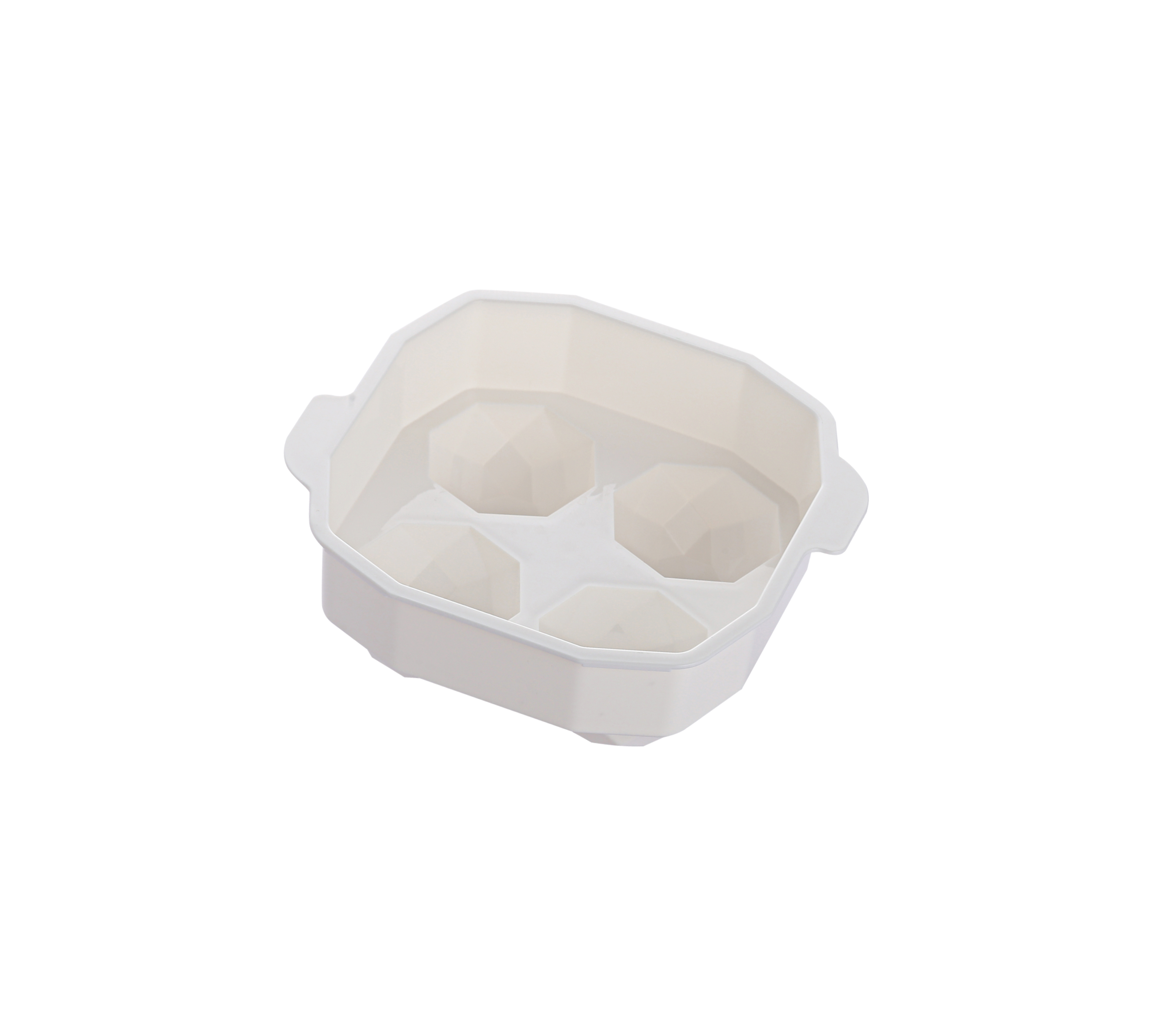
Innovations in Ice Tray Manufacturing for Modern Kitchens
Ice tray manufacturing has moved beyond the basic plastic rectangle found in many freezers. Today, buyers and product developers look for trays that are easier to fill, release cleanly, fit different freezer spaces, and create ice shapes suited to water, cocktails, coffee, juice, and food preparation. For retailers, wholesalers, importers, and kitchenware brands, the topic is not only design; it is also supplier evaluation, material selection, packaging, quality control, and clear communication about intended use.
The original appeal of an ice cube tray remains simple: freeze water into a useful shape. Modern manufacturing adds more variables. Silicone ice trays can offer flexibility and easier release. Polyethylene and other plastic tray formats may support familiar rigid structures. Ice ball maker molds appeal to beverage presentation because large spheres generally melt more slowly than small cubes of the same total volume. The best choice depends on the target customer, freezer environment, handling expectations, and sourcing requirements.
Key Takeaways
- Ice tray innovation is mainly about usability: filling, sealing, freezing, releasing, cleaning, and storing.
- Silicone trays are valued for flexibility, while rigid plastic trays can be familiar and stackable.
- B2B buyers should verify material details, test samples, packaging, labeling, and quality control before placing bulk orders.
- Do not rely only on appearance; check how the tray performs after repeated freezing, twisting, washing, and storage.
How Ice Tray Manufacturing Has Changed
Traditional ice trays were designed to make uniform cubes at low cost. Modern kitchens have created more specialized demand. Consumers now expect trays for large cubes, small cubes, spheres, narrow bottle ice, baby food portions, herbs, coffee cubes, and cocktail service. This wider use has encouraged manufacturers to think carefully about cavity shape, wall thickness, lid fit, flexibility, grip area, and freezer space efficiency.
For B2B sourcing, innovation should be judged by practical performance rather than marketing language. A tray that looks attractive in photos may still spill during filling, absorb freezer odors, crack under stress, or release ice poorly. Before approving a product, buyers should test the sample in realistic home or food-service conditions: fill it at a sink, carry it to a freezer, stack it if intended, freeze it fully, release the ice, and wash it repeatedly.
Common Materials: Silicone and Polyethylene
The original article notes that ice cube tray suppliers may source components such as silicone and polyethylene. These materials are common in the category, but buyers should not assume all trays have the same properties. Material formulation, thickness, surface finish, and production control can change the final user experience.
Silicone ice trays are often chosen because they can flex, which helps release cubes or spheres without heavy twisting. This is useful for deep cavities and rounded molds. Silicone can also support creative shapes, making it popular for ice balls and specialty designs. However, buyers should ask suppliers about odor control, cleaning instructions, lid compatibility, and how the product should be packaged to avoid dust during storage and shipping.
Polyethylene and other plastic tray formats are often associated with more rigid designs. A rigid tray can be simple to fill and may stack well, but release performance depends on the geometry and the flexibility of the material. If a tray requires too much force to twist, consumers may become frustrated or the tray may fail sooner than expected. Always request material identification and confirm whether the supplier can provide appropriate documentation for the intended market.
Product Types Buyers Should Compare
| Product type | Best suited for | What to check before sourcing |
|---|---|---|
| Standard cube tray | Everyday household use, retail multipacks, basic kitchen assortments | Cube release, stackability, freezer fit, lid option, resistance to cracking or warping |
| Silicone ice tray | Easy release, flexible shapes, specialty kitchenware lines | Odor, flexibility, cavity consistency, washing guidance, packaging cleanliness |
| Ice ball maker mold | Beverage presentation, cocktails, whiskey, slow-melting ice use cases | Leak control, sphere closure, filling method, release process, finished ice shape |
| Covered tray | Freezer organization, odor reduction, stacking | Lid fit, spill resistance, whether the lid is intended for stacking or only coverage |
| Novelty shape tray | Seasonal promotions, gift sets, branded assortments | Detail definition, release difficulty, cleaning of narrow areas, packaging display |
Supplier Evaluation for B2B Buyers
Ice cube trays suppliers play an important role in connecting buyers with finished products, molds, and material options. A reliable supplier should be able to answer practical questions clearly. If you are sourcing for wholesale, OEM, private label, or retail distribution, ask for details before discussing volume commitments.
- What materials are used in each component, including tray, lid, plug, or frame?
- Can the supplier provide material and compliance documents required for your target market?
- What quality checks are performed for appearance, dimensions, leakage, release, and packaging?
- Can samples be tested before bulk production, and will production match the approved sample?
- What packaging formats are available for retail, e-commerce, or bulk shipment?
- What are the available color, shape, branding, and labeling options?
- How should the tray be cleaned, stored, and used safely by consumers?
Buyers should avoid making decisions only from catalog images. Request physical samples from the same material and mold style proposed for the order. If OEM changes are required, confirm whether changes affect tooling, unit weight, packaging size, lead time, or labeling. Commercial details such as MOQ, price, sample fees, tooling cost, and delivery schedule should be confirmed directly with the supplier rather than assumed.
Design Features That Improve User Experience
Good ice tray design reduces small daily frustrations. A wide filling area can make the tray easier to use at the sink. A secure lid may help reduce spills while carrying the tray to the freezer, although buyers should confirm whether the lid is truly leak-resistant or only protective. Smooth cavity surfaces can support cleaner release. For ice ball maker molds, the locking or closing method matters because poorly aligned halves can create uneven spheres or leakage.
Another important feature is the release mechanism. Silicone trays usually release by pushing from the back of each cavity, while rigid plastic trays often release through twisting. Both approaches can work, but each should be tested with fully frozen ice. Buyers should also consider who will use the product. A tray for bars or cafés may be handled more frequently than a tray for occasional home use. A tray designed for families should be simple to clean and easy to explain on packaging.
Quality Checks Before Bulk Orders
Quality control for ice trays should reflect actual use. Start with visual inspection: check for surface defects, uneven edges, color inconsistency, flashing, dust, and packaging damage. Then test dimensions and fit, especially if the tray includes a lid or multi-part mold. For ice ball molds, fill and freeze several samples to observe leakage, seam lines, and ease of release.
Functional testing is equally important. Freeze and release ice multiple times. Wash the tray according to the supplier’s instructions. Store it in a freezer with other foods and check whether odors become noticeable. If the product will be sold online, test whether the packaging protects the tray during parcel shipment. If it will be displayed in stores, consider hang holes, box strength, barcode placement, and consumer instructions.
FAQ
Are silicone ice trays always better than plastic trays?
Not always. Silicone can be easier to flex and release, especially for deep or rounded cavities. Rigid plastic trays may be preferred for simple cube formats, stacking, or cost-sensitive assortments. The best option depends on the target use and verified sample performance.
What should I ask an ice cube trays supplier first?
Start with material details, available documentation for your market, sample availability, quality control process, packaging options, and whether production will match the approved sample. Then confirm commercial terms directly.
Why are ice ball maker molds popular?
Ice balls are commonly used for beverage presentation. A large sphere has a lower surface-area-to-volume ratio than many small cubes, so it generally melts more slowly and can dilute drinks more gradually.
How can buyers reduce sourcing risk?
Test samples under real conditions, confirm material and labeling requirements, approve packaging before production, define inspection criteria, and avoid assuming specifications that the supplier has not confirmed in writing.
What information should be included on packaging?
Packaging should clearly explain intended use, cleaning guidance, any temperature or dishwasher guidance provided by the supplier, and basic filling or release instructions. Claims should be accurate for the actual product.
