




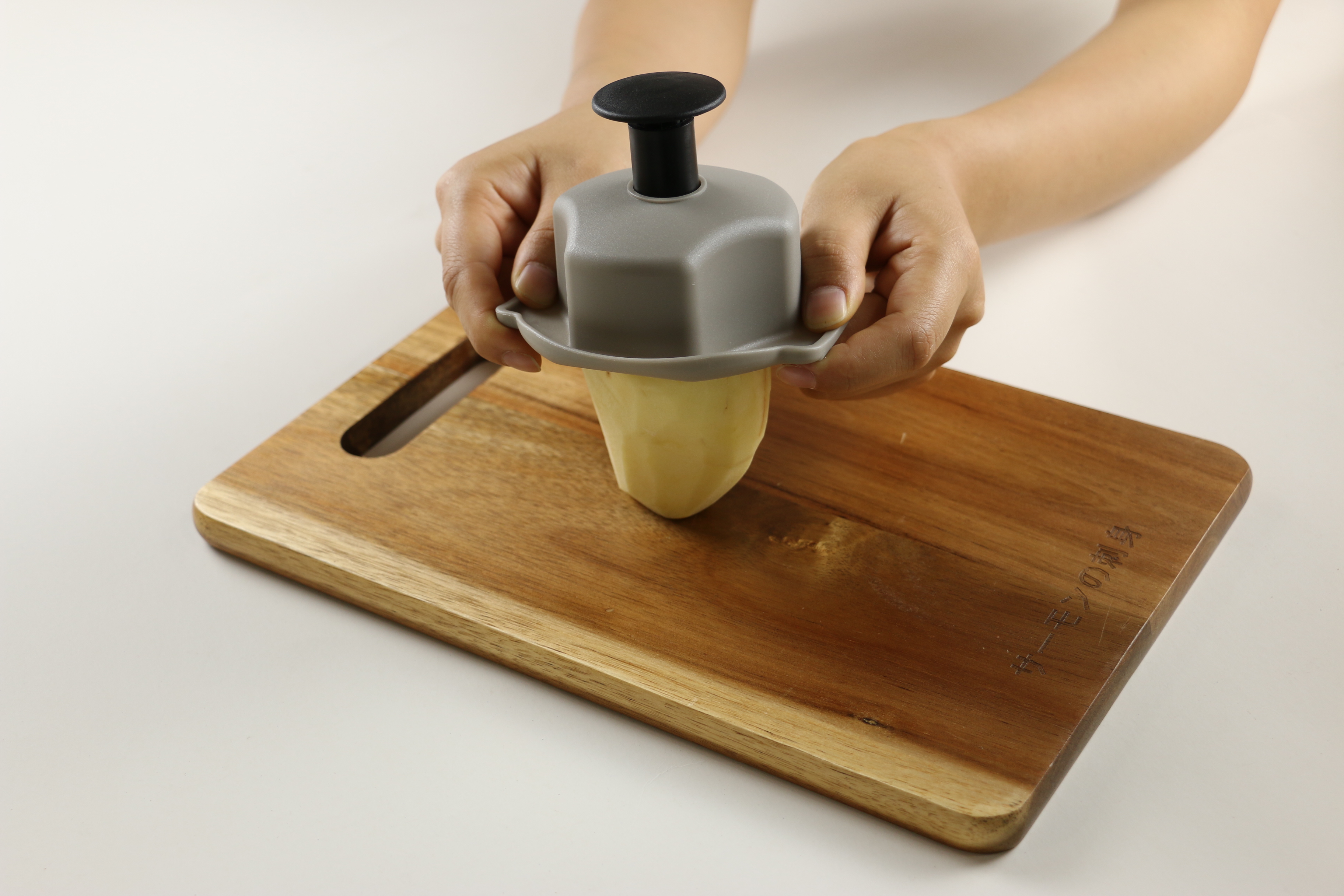
Innovative Cutting Tray Manufacturer: Practical Sourcing Guide for Kitchenware Buyers
Cutting trays have moved beyond the role of a simple surface for chopping vegetables. Many buyers now look for products that combine rinsing, draining, slicing, collecting, and countertop organization in one compact kitchen tool. For importers, wholesalers, private-label brands, and retail sourcing teams, choosing the right cutting tray manufacturer is not only about finding an attractive product. It is about confirming material safety, usability, packaging suitability, quality consistency, and whether the supplier can answer the right commercial and technical questions clearly.
The original product concept highlights several useful ideas: high-quality plastic cutting trays, food-contact safety, draining functions, slicing support, ergonomic handling, and reduced cleanup. This rewritten guide keeps those practical points while focusing on what a professional buyer should check before placing an order or developing an OEM version.
Key Takeaways
- A cutting tray should be evaluated as a food-contact kitchen tool, not just a plastic accessory.
- Buyers should ask suppliers for material details, applicable food-contact documentation, and cleaning guidance.
- Multi-functional designs can add value, but only if blades, drains, handles, and surfaces are easy and safe to use.
- For OEM or wholesale sourcing, confirm packaging, inspection standards, spare parts, labeling, and after-sales responsibilities before ordering.
What Makes a Cutting Tray Useful?
A practical cutting tray supports several stages of meal preparation. It may provide a flat cutting area, integrated draining slits for rinsed vegetables, a collection space for chopped ingredients, or a removable slicing component for repeated cuts. These features can help consumers reduce the number of bowls, colanders, and boards used during routine cooking.
However, more functions do not automatically mean a better product. A tray that looks clever in photos may disappoint users if it flexes too much, traps food in small corners, or is difficult to wash. B2B buyers should examine whether the design solves real kitchen problems: keeping countertops cleaner, making rinsing and draining easier, supporting stable cutting, and storing conveniently after use.
Material and Food-Contact Questions to Ask
The source article refers to high-quality plastic cutting trays and food grade draining trays. Because no specific plastic type, certification, or test report is stated, buyers should avoid assuming a material grade. Instead, ask the cutting tray manufacturer direct questions and request documents that match the destination market.
Useful supplier questions include: What material is used for the tray body? Is any blade, insert, or handle made from a different material? Can the supplier provide food-contact compliance documents for the intended sales market? Are colorants or additives used? What cleaning method is recommended? Is the tray suitable for dishwasher cleaning, or should it be hand washed only? These questions help prevent later problems with labeling, customer complaints, or customs documentation.
Design Features Worth Comparing
When reviewing samples, compare the tray as a complete user experience. The draining slits should allow water to pass through without weakening the structure. The cutting surface should feel stable under normal pressure. If a blade mechanism is included, it should be secure, intuitive, and packaged with clear safety instructions. If the product has an ergonomic handle, check whether it remains comfortable when the tray is wet or full of vegetables.
| Feature to Check | Why It Matters | Buyer Question |
|---|---|---|
| Tray material | Food-contact items require suitable materials and clear documentation. | What material is used, and what documents can support it? |
| Draining slots | Good drainage can reduce extra tools during washing and prep. | Do the slots drain well without trapping food residue? |
| Cutting surface | A stable surface improves daily usability and user confidence. | Does the tray flex, slip, or scratch easily during sample testing? |
| Blade or slicer part | Sharp components need secure assembly and clear safety guidance. | Is the blade removable, replaceable, or packed with protection? |
| Handle design | Wet hands and loaded trays can affect grip and control. | Is the handle comfortable and stable during rinsing and carrying? |
| Cleaning access | Food residue in corners can lead to poor user reviews. | Are all areas easy to rinse, wipe, and dry? |
OEM and Wholesale Sourcing Checklist
For a wholesale or private-label project, product appearance is only one part of the sourcing process. Buyers should define requirements early so the supplier can confirm what is standard, what is customizable, and what requires tooling or packaging changes.
- Request product samples and inspect them under realistic kitchen use, including rinsing, slicing, draining, and cleaning.
- Ask whether logo placement, color selection, retail packaging, instruction sheets, and barcode labels are available.
- Confirm carton packing details, drop-test expectations, and whether sharp components need extra protection.
- Discuss inspection criteria, including surface defects, assembly fit, blade protection, color consistency, and package condition.
- Clarify lead time, minimum order quantity, payment terms, and replacement policy directly with the supplier instead of assuming standard terms.
If the product will be sold online, packaging and instructions deserve special attention. Customers often judge multi-functional kitchen tools by how quickly they understand them. Simple diagrams, cleaning warnings, and safe blade handling instructions can reduce confusion and returns.
How to Evaluate Supplier Communication
A reliable cutting tray manufacturer should be able to explain the product without vague claims. Watch how the supplier responds to technical questions. Do they distinguish between standard models and OEM options? Can they identify which parts touch food? Do they provide photos, sample details, and packaging information when asked? Do they avoid making unsupported claims about certifications or performance?
Good communication is especially important for buyers sourcing food-contact kitchenware across borders. Requirements may differ by country or sales channel, so the supplier should be prepared to discuss documentation and testing rather than simply describing the tray as safe. If documentation is unavailable, buyers can decide whether to arrange third-party testing before a larger order.
Use and Care Points Buyers Should Communicate
Even when the target customer is a home cook, B2B buyers should think about after-sale clarity. A cutting and draining tray is used around water, knives, vegetables, and sometimes blades. Clear use-and-care guidance can make the product easier to understand and safer to handle.
- Wash the tray before first use according to the supplier's care instructions.
- Use the product on a stable countertop to reduce slipping during cutting.
- Handle any blade or slicing insert carefully and store it away from children.
- Rinse food residue from drainage areas soon after use to prevent buildup.
- Do not claim dishwasher, microwave, or heat resistance unless the supplier provides support for that claim.
These points are practical for instruction leaflets, online listings, and customer service scripts. They also help buyers avoid overpromising features that have not been confirmed.
Practical FAQ
What should I ask a cutting tray manufacturer before ordering?
Ask about the tray material, food-contact documentation, available colors, packaging options, sample availability, inspection standards, lead time, minimum order quantity, and whether any blade or slicer component is included.
Are plastic cutting trays suitable for food preparation?
They can be suitable when made from appropriate food-contact materials and used as instructed. Buyers should request documentation for the target market instead of relying on general descriptions.
Can a cutting tray replace a cutting board and colander?
Some multi-functional trays can reduce the need for separate tools during light vegetable preparation, rinsing, and draining. For heavy chopping or specialized tasks, users may still prefer a dedicated board or colander.
What should wholesalers check in samples?
Check surface stability, drainage performance, handle comfort, blade safety, cleaning access, packaging protection, and whether the sample matches the photos and descriptions provided by the supplier.
Should buyers request custom packaging?
Custom packaging can help retail and online sales, but it should include accurate product information, safe-use instructions, cleaning guidance, and any legally required labeling for the destination market.
Final Sourcing Advice
An innovative cutting tray can be a useful kitchenware item when the design is practical, the material questions are answered, and the supplier communicates clearly. For B2B buyers, the best approach is to combine hands-on sample testing with disciplined documentation review. Do not rely on broad claims such as durable, safe, or multi-functional without checking how those claims are supported. A well-sourced cutting tray should be easy for consumers to understand, simple to clean, stable during use, and backed by supplier answers that match your market requirements.
