




Innovative Household Scissors for Ultimate Comfort
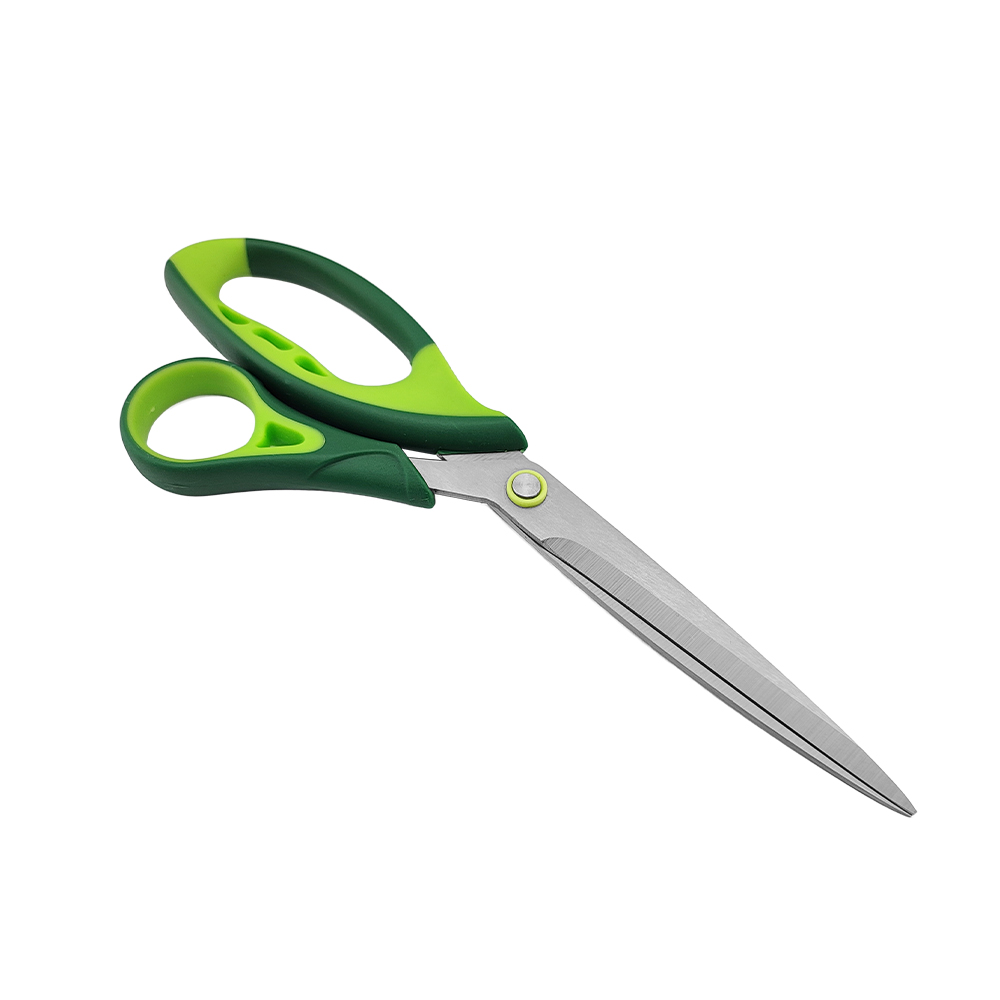
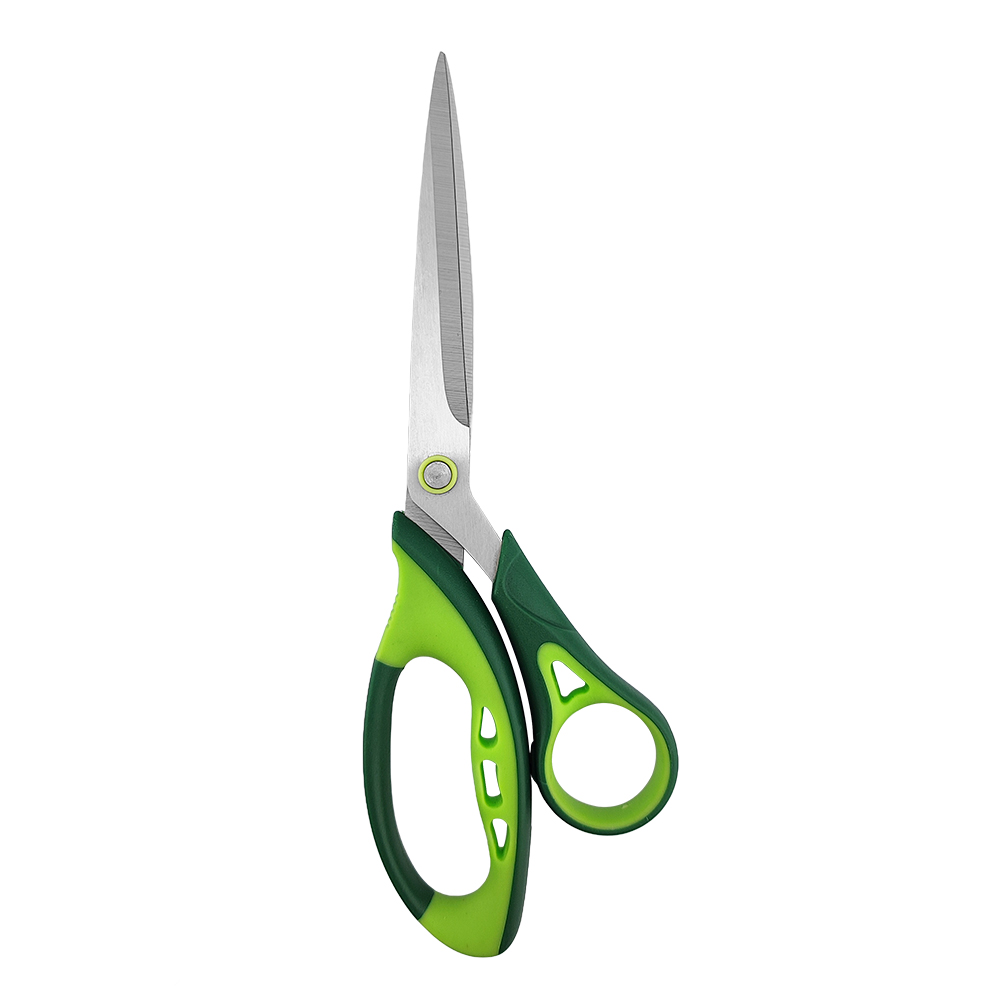
Household scissors are one of the most frequently used tools in a home, office, craft room, or packing station. A dependable pair should cut cleanly, feel stable in the hand, and remain comfortable during repeated use. The original Bonet Houseware article highlights a pair of household scissors with a green and dark green dual-tone soft-grip handle, an ergonomic shape, a non-slip hold, and a premium stainless steel blade. Those details make this product a useful starting point for buyers comparing everyday scissors for retail, wholesale, or OEM programs.
This guide rewrites the product story with a more practical focus: how to evaluate comfort, cutting performance, durability, and supplier readiness without relying on vague marketing claims. It is written for importers, distributors, kitchenware buyers, promotional product teams, and retailers who need to ask the right questions before placing an order.
Key Takeaways
- Soft-grip household scissors can reduce hand fatigue when used for repeated light-duty cutting tasks.
- The dual-tone green handle and ergonomic shape are explicit design details from the source product.
- A premium stainless steel blade is stated in the original article, but buyers should still confirm blade grade, hardness, and edge-retention expectations with the supplier.
- For OEM or wholesale sourcing, request samples, packaging options, quality control standards, and after-sales procedures before confirming an order.
What Makes Household Scissors Comfortable?
Comfort begins with the handle. The featured scissors use a soft-grip design with a vibrant green and dark green dual-tone handle. A soft surface can help the hand maintain contact without excessive pressure, while the ergonomic contour supports more controlled cutting. This matters in daily tasks such as opening packaging, trimming paper, cutting tags, preparing craft materials, or handling light fabric projects.
For B2B buyers, comfort should not be judged by appearance alone. Ask for physical samples and test them with different users. A handle that works well for one hand size may feel tight, loose, or unbalanced for another. If you are sourcing for retail, consider whether the handle opening accommodates a broad customer base. If you are sourcing for professional or office use, test the scissors during repeated cutting rather than a single quick cut.
Blade Performance and Material Questions
The source article states that the scissors have a premium stainless steel blade and can handle paper and fabric with clean cuts. Stainless steel is commonly selected for household cutting tools because it can provide a useful balance of strength, corrosion resistance, and ease of maintenance. However, stainless steel is not a single specification. Buyers should ask the supplier which stainless steel grade is used, how the blade is heat treated, and whether the edge is suitable for the intended cutting category.
For example, a general household scissor may perform well on paper, labels, thin cardboard, thread, ribbon, and light fabric. It may not be designed for heavy industrial materials, thick plastic sheets, wire, or dense textiles. Clear use-case boundaries reduce customer complaints and help the product description stay accurate. If you are building a product listing, avoid overpromising performance unless the supplier can support the claim with test data or clear specifications.
Comparison Checklist for Buyers
| Evaluation Point | What to Check | Why It Matters |
|---|---|---|
| Handle comfort | Soft grip, finger opening size, left/right hand feel | Improves control and reduces fatigue during repeated use |
| Blade details | Stainless steel grade, blade thickness, edge finish | Helps match the scissors to paper, fabric, craft, or office tasks |
| Cutting action | Smooth opening, alignment, pivot tightness | Prevents snagging and uneven cuts |
| Durability checks | Sample testing, corrosion review, drop or use testing if available | Reduces risk before wholesale purchasing |
| OEM options | Handle color, logo placement, packaging, barcode support | Supports private label and retail-ready programs |
| Supplier communication | Lead time, MOQ, inspection process, replacement policy | Clarifies commercial risk before purchase orders are issued |
How to Test Samples Before Wholesale Ordering
Sample testing is essential when selecting household scissors from a factory, trading company, or Yangjiang scissors manufacturer. Start with common materials your customers are likely to cut. Use paper, envelopes, packaging tape, thread, light fabric, and thin cardboard. Record whether the scissors cut from heel to tip, whether the blades separate cleanly, and whether the pivot becomes loose after repeated use.
Comfort testing should be practical. Have several people use the scissors for five to ten minutes and note pressure points, slipping, or hand fatigue. The original product emphasizes a secure, non-slip hold and an ergonomic handle. Those are useful qualities, but they should be verified with real users and real tasks. If the scissors will be sold online, sample testing can also help you write more accurate product descriptions and avoid customer returns caused by unclear expectations.
OEM and Supplier Questions to Ask
When the sourcing intent includes OEM, wholesale, or private label purchasing, product quality is only one part of the decision. Buyers should also evaluate supplier process control, documentation, and communication. Do not assume manufacturing capacity, MOQ, certifications, or compliance status unless the supplier confirms them in writing.
- What stainless steel grade is used for the blade, and can the supplier provide a specification sheet?
- What handle materials are used for the soft-grip area and the rigid structure?
- Can the dual-tone green handle be customized, or is it a standard color only?
- What packaging formats are available for retail, e-commerce, or bulk distribution?
- What quality inspection steps are performed before shipment?
- What is the current MOQ, production lead time, and sample lead time?
- Can the supplier support logo printing, barcode labeling, instruction cards, or carton marks?
- What after-sales process applies if a shipment includes defective units?
Use and Care Guidance for End Users
For consumers, household scissors last longer when used within their intended range. Keep one pair for clean household and craft tasks rather than using the same scissors for food packaging, adhesive tape, garden twine, and hard materials. Wipe the blades after cutting sticky items, dry them before storage, and avoid leaving them in damp drawers or outdoor areas.
If the cutting action feels stiff, check whether dust or adhesive has built up near the pivot. Do not force the scissors through materials that are too thick, because this can affect blade alignment. Store them closed and away from children. These basic care habits are simple, but they help preserve smooth movement and safer handling.
Who Should Consider These Scissors?
These soft grip household scissors are most relevant for buyers looking for a general-purpose cutting tool with a comfortable handle and a recognizable color design. They may fit home utility assortments, craft supply ranges, office kits, school supply collections, and promotional household bundles. The green and dark green handle gives the product a clear visual identity, while the stainless steel blade supports common everyday cutting needs.
For distributors and retailers, the strongest positioning is not exaggerated performance. It is practical reliability: comfortable handling, clean everyday cuts, and clear supplier answers. If those points are confirmed through sample testing and commercial documentation, the product can be evaluated with confidence for broader sourcing plans.
FAQ
Are these scissors suitable for fabric?
The original article says they can handle fabric with clean cuts. Buyers should still test the exact fabric types they plan to reference in product listings, especially if selling to craft or sewing users.
What is the handle design?
The source describes a soft-grip handle in a green and dark green dual-tone design. It is also described as ergonomic and non-slip for better control during extended use.
Can these scissors be used for professional workspaces?
They are described as adaptable for home settings and professional workspaces. For workplace procurement, test samples under the expected daily workload before bulk purchase.
What should wholesale buyers confirm before ordering?
Confirm blade grade, handle material, sample approval process, MOQ, lead time, packaging, logo options, inspection procedure, and how defective units are handled.
Is a Yangjiang scissors manufacturer the right sourcing choice?
Yangjiang is widely associated with cutting tool manufacturing, but buyers should evaluate each supplier individually. Ask for samples, written specifications, production details, and quality control information before deciding.
