




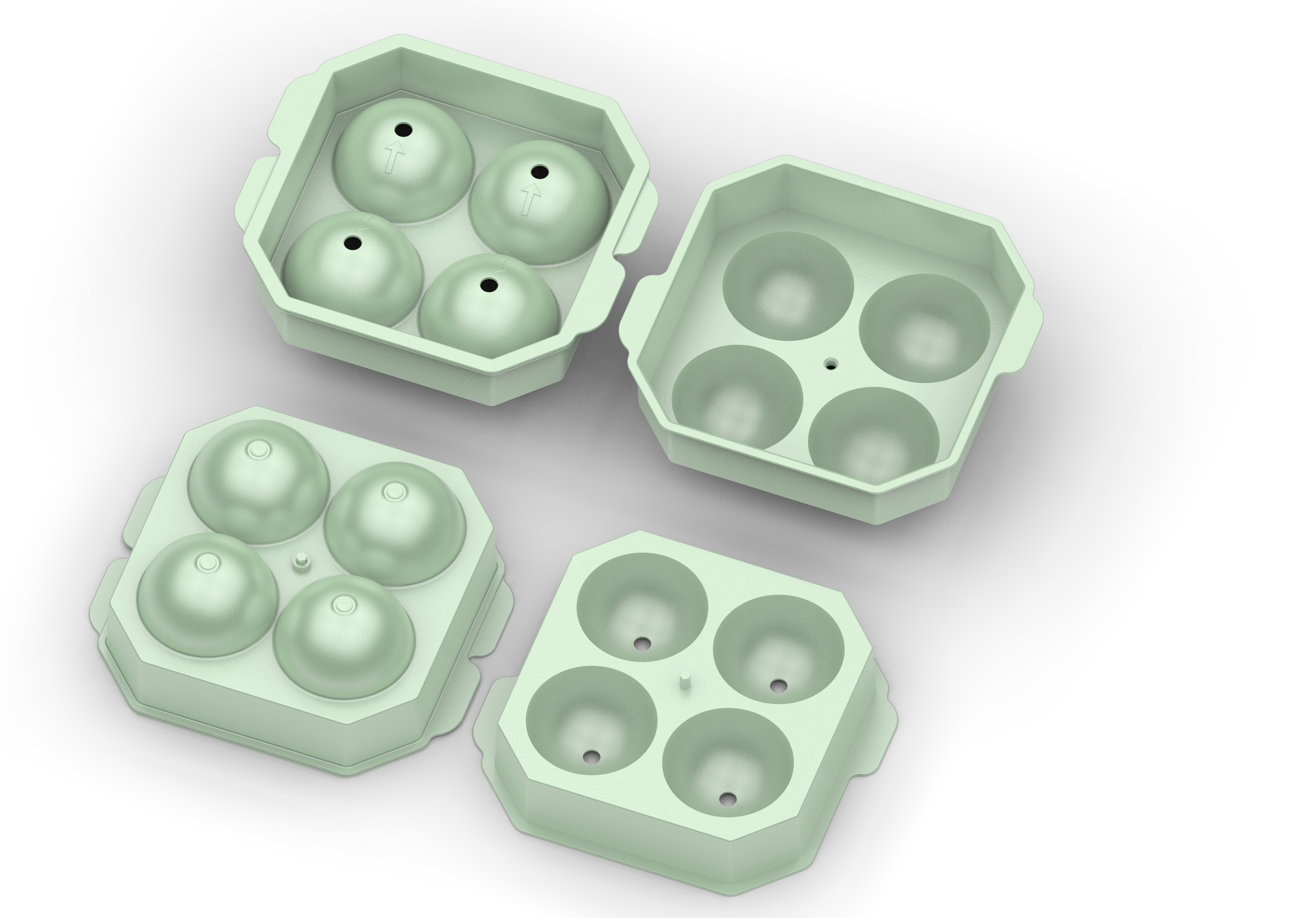
Ice Tray Manufacturing: Sourcing Better Trays for Beverage Programs
Ice tray manufacturing supports a simple but important household and foodservice need: making ice in reliable shapes and sizes for drinks, storage, entertaining, and commercial beverage service. For buyers, the category may look straightforward, but the final product depends on material choice, mold design, release performance, packaging, and supplier consistency.
The original market direction is clear: ice trays are no longer limited to basic plastic molds. Many suppliers now offer different formats, from traditional cube trays to silicone ice trays and specialty shapes such as spheres. For retailers, wholesalers, hospitality distributors, and private-label brands, the goal is not only to find a low unit cost. It is to source trays that are practical, safe for intended use, easy to handle, and consistent across repeat orders.
Key Takeaways
- Ice tray manufacturing involves material selection, mold design, production consistency, packaging, and quality inspection.
- Silicone ice trays are popular because flexibility can make ice release easier, but buyers should verify material and food-contact documentation with the supplier.
- Supplier evaluation should include sample testing, packaging checks, production questions, and clear written specifications.
- Special shapes can improve beverage presentation, but they may require more attention to filling, freezing time, and storage space.
Why Ice Tray Manufacturing Matters to Buyers
An ice cube tray is a low-cost product, yet poor execution can quickly create customer complaints. Common issues include cracking, difficult ice release, odor retention, unstable stacking, thin walls, sharp edges, unclear instructions, and packaging damage during transport. These problems can affect return rates and brand reputation, especially for private-label or wholesale programs.
For B2B sourcing teams, ice tray manufacturing should be treated as a repeatable process rather than a commodity purchase. A buyer should define the target user first. A home kitchen tray may prioritize compact storage and easy release. A barware or beverage gift set may prioritize larger cubes, spheres, or presentation. A hospitality buyer may need trays that are simple to clean and easy for staff to handle. Clear positioning helps suppliers recommend suitable designs instead of generic options.
Common Ice Tray Materials and Design Options
The original article highlights both basic plastic molds and silicone ice trays. These remain two common directions in the category. Plastic trays are familiar, usually rigid, and may be suitable for standard cube formats. Silicone ice trays are valued for flexibility, which can help users remove ice without twisting a rigid tray aggressively. Silicone can also support creative shapes because it can be molded into detailed cavities.
Buyers should avoid assuming that all trays of the same material perform the same way. Wall thickness, cavity depth, rim structure, lid fit, surface finish, and tray stability can all affect the user experience. Some designs may include features such as vent holes, lids, reinforced edges, or stackable formats. These features should be confirmed in product drawings and samples rather than assumed from a general product description.
| Selection Factor | What to Check | Why It Matters |
|---|---|---|
| Material | Ask what material is used and request relevant food-contact documentation. | Supports safe intended use and reduces compliance uncertainty. |
| Ice release | Freeze water in samples and test removal by different users. | Hard release is one of the most common customer frustrations. |
| Shape and size | Measure cube or sphere dimensions and confirm usable capacity. | Large cubes and spheres suit drinks but may take longer to freeze. |
| Stability | Check whether the tray can be carried when full without spilling easily. | Important for home users, bars, and hospitality teams. |
| Packaging | Review retail box, insert, barcode placement, and carton protection. | Prevents transit damage and supports shelf presentation. |
| Repeatability | Confirm tolerances, inspection method, and pre-shipment approval process. | Helps avoid quality drift after the first order. |
How to Evaluate Ice Cube Tray Suppliers
Ice cube tray suppliers play an important role in the manufacturing chain by providing materials, components, production support, and finished goods. A good supplier conversation should go beyond catalog images. Buyers should ask structured questions that reveal how the supplier controls product quality and communicates during production.
Useful supplier questions include:
- Which materials are available for this design, and what documentation can be provided for food-contact use?
- Can you provide physical samples from the same mold or production process intended for bulk orders?
- What product dimensions, weight, cavity volume, and packaging details can be confirmed in writing?
- How do you inspect appearance, odor, deformation, lid fit, and ice release before shipment?
- What customization options are available for color, shape, packaging, logo placement, or instructions?
- What lead time, minimum order quantity, and payment terms apply to this specific project?
Because commercial details vary by supplier and order type, buyers should request current quotations instead of relying on assumptions. If OEM or private-label production is required, confirm who owns the mold, how artwork is approved, and how changes will be documented.
Silicone Ice Trays: Benefits and Buying Cautions
Silicone ice trays have gained attention because they are flexible, easy to clean in many everyday situations, and suitable for creative shapes. The original article notes that silicone can help release ice without sticking or breaking and can withstand temperature changes better than traditional materials. For many beverage programs, that flexibility is a practical advantage.
However, sourcing silicone ice trays still requires careful checks. Buyers should request the exact material description and supporting documentation. If a supplier describes a product as food-grade silicone, ask which standard or market requirement the product is intended to meet and what test reports are available. Do not rely only on a verbal claim or a product title.
Sample testing is also important. Fill the tray to the recommended level, freeze it, release the ice, wash it, and repeat the process. Check for odor, residue, tearing, discoloration, and whether the tray keeps its shape when full. If the design includes a lid, test whether the lid stays in place during stacking and whether it affects filling or ice removal.
Product Development Trends in Ice Tray Manufacturing
The future of ice tray manufacturing is likely to keep moving toward user-centered design. Consumers want trays that are easier to fill, easier to store, and easier to clean. Beverage-focused buyers may look for larger cubes, spheres, or attractive shapes for cocktails, iced coffee, tea, and entertaining. At the same time, retailers may prefer compact packaging and clear use instructions to reduce confusion after purchase.
Sustainability is another topic buyers often raise, but it should be handled carefully. Instead of accepting broad eco-friendly language, ask suppliers specific questions: What material is used? Is the packaging recyclable in the target market? Can plastic inserts be reduced? Are replacement parts or durable designs available? These practical questions are more useful than unsupported environmental claims.
Pre-Order Checklist for Wholesale and OEM Buyers
Before placing a bulk order, create a written specification sheet. It should include product name, material, dimensions, color, cavity count, packaging style, carton details, labeling requirements, inspection criteria, and approved sample photos. For OEM projects, include logo position, artwork files, color references, and approval steps.
- Approve a physical sample before confirming mass production.
- Test real ice making, release, washing, and storage conditions.
- Confirm packaging strength for export cartons and retail handling.
- Ask for current compliance documents relevant to the sales market.
- Define acceptable and unacceptable defects in advance.
- Arrange pre-shipment inspection when order size or risk justifies it.
This process may feel detailed for a simple kitchen item, but it helps prevent mismatched expectations. A clear checklist also makes it easier to compare suppliers fairly.
FAQ
What should I ask an ice tray manufacturer first?
Start with material, dimensions, available samples, food-contact documentation, customization options, lead time, MOQ, and packaging details. These answers quickly show whether the supplier can support your target market.
Are silicone ice trays better than plastic trays?
Not always. Silicone trays can offer flexible ice release and creative shapes, while plastic trays may suit simple cube designs. The better choice depends on user needs, budget, packaging, and verified quality.
Can ice trays be customized for private label?
Many suppliers may offer color, packaging, logo, or shape customization, but options vary. Ask about mold ownership, artwork approval, minimum order quantity, and sample fees before starting an OEM project.
How can buyers reduce quality problems?
Use approved samples, written specifications, realistic use testing, packaging checks, and pre-shipment inspection. Repeat orders should be compared with the approved sample to detect quality drift.
What features matter most for beverage use?
For beverage programs, consider cube or sphere size, clarity of shape, release performance, tray stability, lid usability, and storage footprint. Large shapes may look appealing but can require longer freezing time.
