




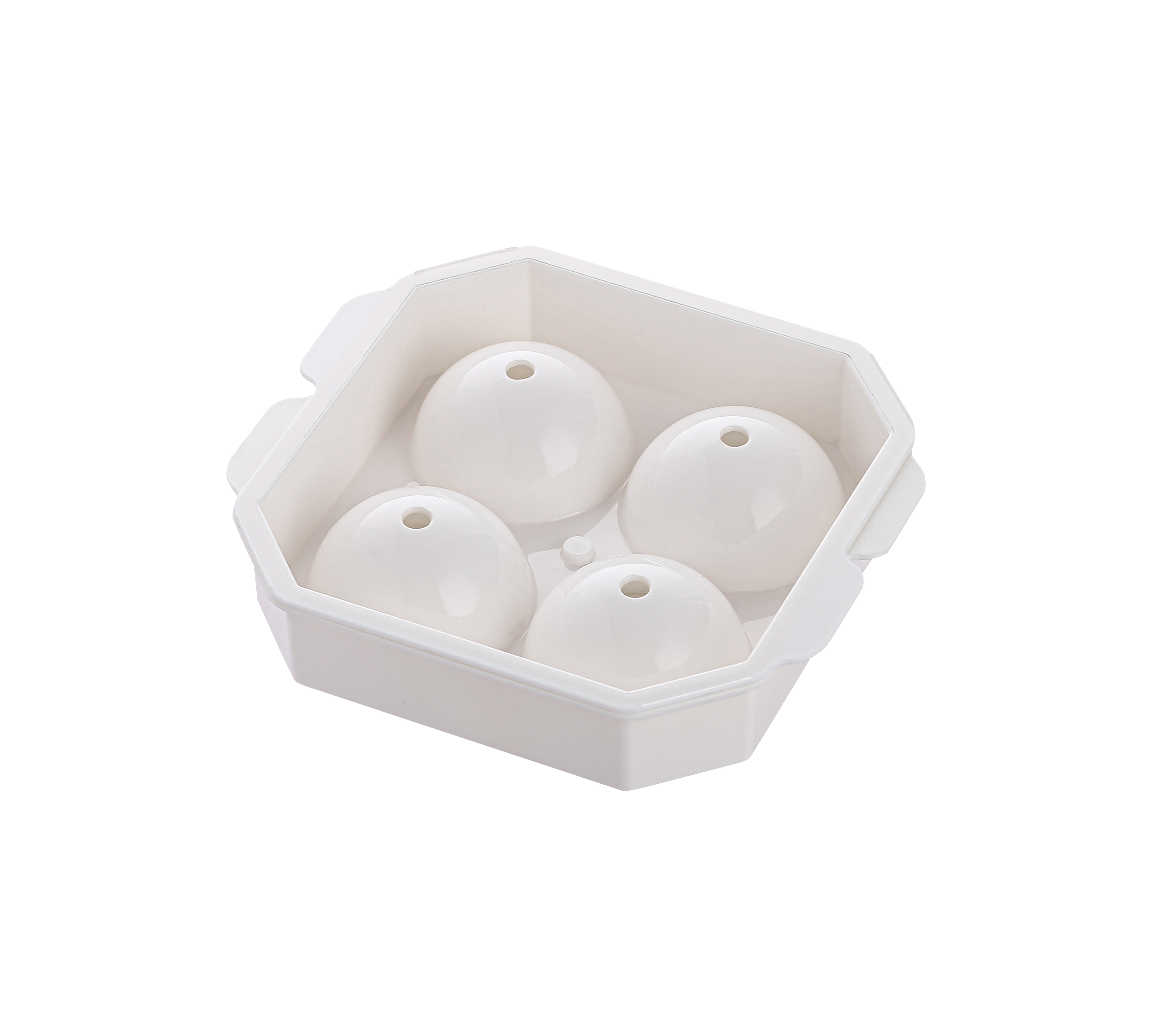
Innovative Ice Tray Manufacturing: Silicone Ice Trays
Ice tray manufacturing has moved beyond the basic rigid cube tray. For kitchenware brands, importers, hospitality distributors, and promotional product buyers, silicone ice trays are now a flexible category with many sourcing decisions behind a simple-looking product. The original appeal is clear: silicone can make ice easier to release, supports different cavity shapes, and can be used for products such as standard ice cube trays or larger ice ball molds for drinks. However, buying well requires more than choosing a shape from a catalog.
This guide explains how to evaluate silicone ice tray suppliers, what design and production questions to ask, and how to compare options without relying on unsupported claims. It is written for B2B buyers who need practical supplier selection guidance for wholesale, OEM, or private-label ice tray programs.
Key Takeaways
- Silicone ice trays are valued for flexibility and easier ice release, but material documentation should always be verified with the supplier.
- Design choices such as cube size, ball mold format, lid fit, tray stiffness, and packaging affect user experience and shipping cost.
- For OEM or wholesale orders, ask about tooling, samples, quality checks, packaging, lead time, and after-sales handling before confirming a supplier.
- Do not rely only on product photos; request samples and test freezing, release, cleaning, odor, and deformation under realistic use.
Understanding Silicone Ice Trays
Silicone ice trays are popular because the material is flexible. Instead of twisting a hard plastic tray until cubes crack or scatter, users can usually push from the bottom of each cavity to release the ice. This makes silicone useful for home kitchens, beverage service, catering, and specialty drink presentation.
The source article refers to high-quality, food-grade silicone and dishwasher-safe cleaning. In a purchasing process, buyers should treat these as points to verify rather than assumptions. Ask suppliers what material is used, whether the material is suitable for food contact in the target market, and what cleaning instructions are supported by their product documentation. If the tray is advertised as dishwasher safe, request the applicable test basis or internal validation process.
Silicone also allows variety in form. Trays may produce small cubes, large cubes, narrow sticks for bottles, or spherical ice balls. Larger ice pieces can melt more slowly than small cubes in many drink applications, which is why ice ball molds are often selected for whiskey, cocktails, cold brew, or premium beverage presentation.
What Ice Cube Tray Suppliers Actually Provide
An ice cube trays supplier may provide finished products, private-label packaging, custom colors, modified designs, or complete OEM development. The right supplier role depends on your business model. A retailer may need shelf-ready packaging and barcode support. A hospitality distributor may prioritize bulk packs and consistent replenishment. A brand owner may need design confidentiality, mold development, and documented quality procedures.
Before comparing quotations, clarify the scope. Are you buying an existing silicone ice tray design, or are you asking the factory to create a new mold? Will the supplier provide packaging artwork support, or do you provide print-ready files? Are lids, gift boxes, instruction sheets, or color cards included? These details can change cost, timeline, and quality risk.
Design Options That Affect Performance
The best silicone ice tray design is not always the most visually unusual one. A product must freeze well, release easily, sit flat in the freezer, resist spilling during transfer, and be simple to clean. For B2B buyers, design should be evaluated from both the consumer use side and the supply chain side.
| Design choice | Why it matters | Questions to ask the supplier |
|---|---|---|
| Cube or ball size | Affects freezing time, drink fit, and melting behavior. | What are the cavity dimensions, and can samples be tested with common glasses? |
| Tray flexibility | Too soft may spill; too stiff may reduce easy release. | How is stiffness controlled between production batches? |
| Lid option | Can help stacking and reduce freezer contamination, depending on fit. | Is the lid tight, loose, or only dust-resistant? What material is used? |
| Surface finish | Influences cleaning, release feel, and perceived quality. | Can the supplier provide pre-production samples matching final finish? |
| Packaging | Impacts retail display, shipping weight, and damage prevention. | What packaging formats are available for wholesale or private label? |
Manufacturing and Quality Questions for Buyers
Silicone ice tray manufacturing typically involves mold design, material preparation, forming, trimming or finishing, inspection, and packing. Buyers do not need to manage every factory step, but they should understand where defects can appear. Common issues include uneven walls, weak lids, odor, poor release, flash around edges, color inconsistency, and packaging damage.
Use a structured supplier questionnaire before placing an order. Important questions include:
- What material is used, and what food-contact documentation can be provided for the destination market?
- Is the product an existing mold or a custom mold? If custom, who owns the tooling?
- What sample types are available before mass production?
- How are color, weight, dimensions, and appearance checked during production?
- What cleaning and use instructions are recommended for end users?
- How are nonconforming goods handled if inspection finds defects?
- What export packaging is used to prevent deformation during transit?
These questions help separate general trading offers from suppliers that can support repeat business. If a supplier cannot answer basic material, packaging, or inspection questions clearly, the lowest price may become expensive later.
Ice Ball Molds and Product Innovation
The original article highlights the Multipurpose Silicone Ice Ball Mold, a product type designed to create spherical ice balls. This format is one example of how ice tray manufacturing has expanded into more specialized drinkware accessories. Large spherical ice is often chosen for presentation and slower dilution compared with smaller pieces, although actual performance depends on size, drink temperature, glass shape, and usage conditions.
Innovation in this category should be practical. Infusion ideas, flavored ice, fruit inserts, and shaped cavities can create retail interest, but they also introduce cleaning and usability questions. A cavity that looks attractive in a rendering may be difficult to fill, slow to freeze, or hard to unmold. For private-label buyers, request real-use photos or videos and test samples with water, juice, and common freezer conditions before approving a design.
How to Compare Silicone Ice Tray Suppliers
When comparing suppliers, avoid making the decision on unit price alone. A reliable ice cube trays supplier should be assessed across product consistency, communication, documentation, customization ability, packing quality, and responsiveness when problems occur. For wholesale or OEM projects, the supplier’s process discipline matters as much as the tray design.
- Sample quality: Test several samples, not just one perfect display piece.
- Documentation: Ask for material, care, and compliance-related documents relevant to your market.
- Customization: Confirm color matching, logo options, packaging formats, and mold limitations.
- Production control: Ask how the supplier checks dimensions, appearance, and packing before shipment.
- Commercial clarity: Request written confirmation of MOQ, lead time, payment terms, tooling costs, and order responsibilities.
If commercial details are not published, ask directly rather than assuming. MOQ, pricing, and lead time can vary by design, packaging, season, and customization level.
Practical FAQ
Are silicone ice trays better than plastic ice trays?
They can be easier to release because silicone is flexible. Plastic trays may feel more rigid and stackable. The better choice depends on the buyer’s target user, price point, packaging plan, and quality expectations.
What should I verify before buying food-contact silicone trays?
Ask the supplier for material details and food-contact documentation relevant to your destination market. Also request care instructions, sample testing, and confirmation of any dishwasher-safe or temperature-use claims.
Can suppliers make custom silicone ice cube trays?
Many suppliers offer OEM or private-label options, but capabilities vary. Ask whether customization uses an existing mold or requires new tooling, and confirm tooling ownership, sample approval steps, and packaging responsibilities.
How do I reduce quality risk in a wholesale order?
Approve samples before production, define inspection criteria in writing, confirm packaging specifications, and consider pre-shipment inspection for larger orders. Keep a reference sample for comparison with mass production.
What makes an ice ball mold suitable for drink service?
Look at ball size, ease of filling, seal or lid design, release performance, cleaning access, and whether the frozen ball fits common glasses used by your customers.
Conclusion
Silicone ice trays are simple products with important sourcing details behind them. Flexibility, easy release, creative shapes, and ice ball formats make the category attractive, but B2B buyers should focus on verified material information, sample testing, production control, and clear commercial terms. A good supplier will help you answer practical questions before production begins, reducing risk for retail, hospitality, wholesale, or OEM programs.
