




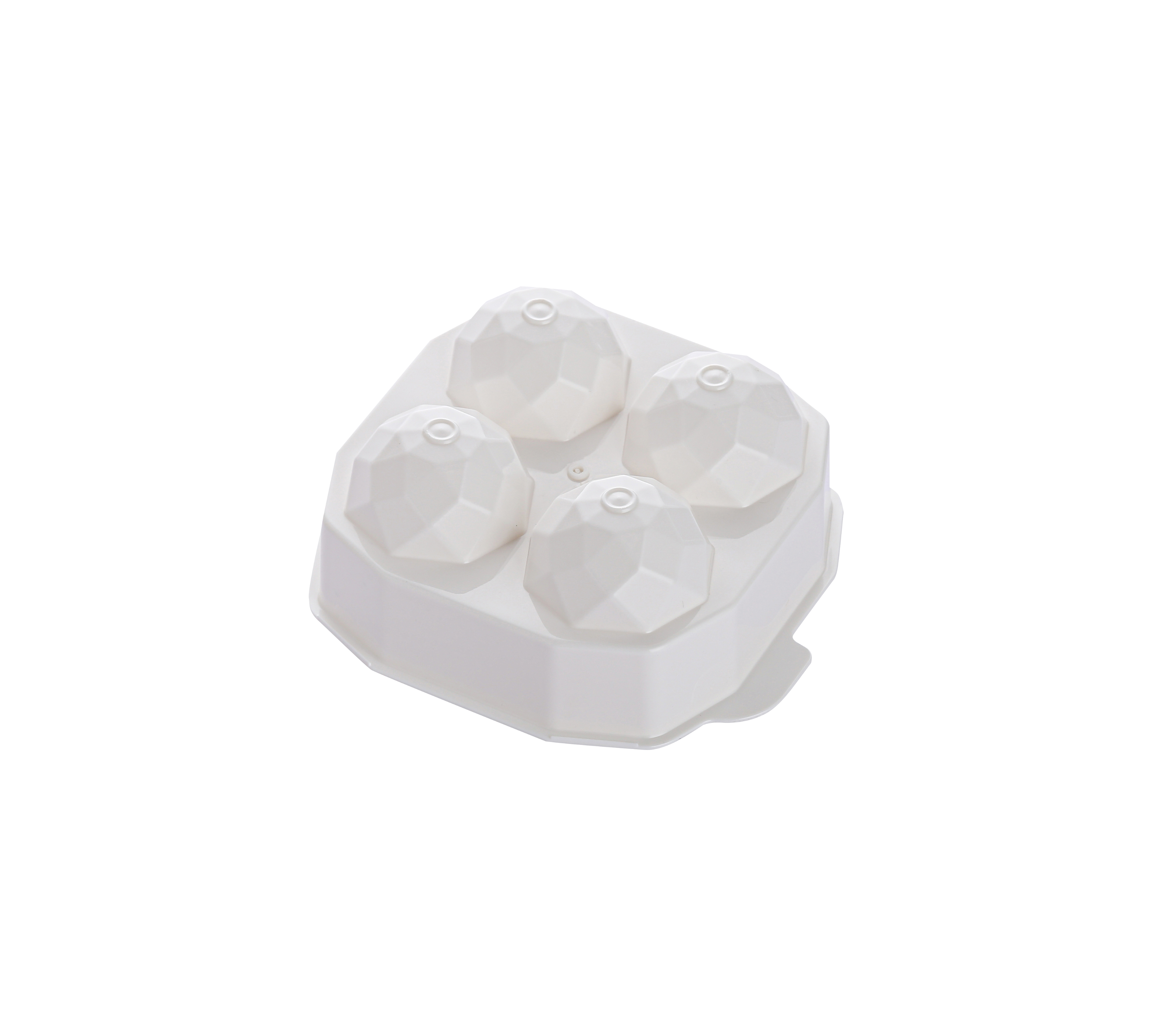
Innovative Ice Tray Manufacturing with Silicone Trays
Ice tray manufacturing has moved beyond the basic plastic cube tray. Today, buyers can source flexible silicone trays, sphere molds, novelty shapes, and private-label products for retail, hospitality, gifting, and barware programs. Silicone ice trays are popular because they are flexible, reusable, and easier to release than rigid trays. They can also support different shapes, including cubes and spherical molds designed for slower-melting ice in drinks.
For importers, distributors, retailers, and brand owners, the challenge is not simply finding an ice cube tray supplier. The bigger task is choosing a manufacturing partner that can explain materials, tooling, packaging, quality control, and commercial terms clearly. This guide outlines what to evaluate when sourcing silicone ice trays without assuming specifications that must be confirmed by the supplier.
Key Takeaways
- Silicone ice trays are valued for flexibility, easy ice release, and reusable use in home and commercial settings.
- Buyers should confirm material details, heat-resistance claims, odor control, packaging, and applicable test requirements before placing an order.
- OEM projects require clear mold drawings, sample approval, and written acceptance criteria.
- A reliable supplier should provide practical answers about tooling, inspection, lead time, and after-sales issue handling.
Why Silicone Is Used in Modern Ice Tray Manufacturing
Silicone has become a common material in ice tray manufacturing because it can bend during ice removal instead of forcing users to twist a hard tray until it cracks. This flexibility is useful for small cube trays, large whiskey ice molds, baby-food freezing trays, and round ice ball molds. The original appeal is simple: users want ice that releases cleanly without damaging the tray.
Silicone is also associated with heat resistance, which can make some trays suitable for broader kitchen use, depending on the exact material and manufacturer instructions. However, buyers should avoid making assumptions. If a product will be marketed for freezer and heated applications, ask the supplier to define the tested temperature range, intended use, and care instructions. Any food-contact or compliance statements should be backed by documents relevant to the sales market.
Common Product Types and Design Choices
Silicone ice tray suppliers may offer existing molds or develop custom shapes. Existing molds are usually faster to source, while custom projects can support brand differentiation. For B2B purchasing, the right choice depends on target customer, selling channel, packaging plan, and budget.
- Standard cube trays: Practical for everyday household use and broad retail categories.
- Large cube molds: Often used for cocktails because larger ice pieces melt more slowly than small pieces.
- Spherical molds: Designed to create ice balls for spirits, mixed drinks, and premium barware sets.
- Lidded trays: Help reduce spills and protect ice from freezer odors, if the lid fits well.
- Custom shapes: Useful for promotional items, gift sets, and brand-specific designs.
When reviewing a design, consider more than appearance. Deep cavities may look impressive but can be harder to fill, stack, or release. Thin walls may reduce material use but can affect handling. A supplier should be able to discuss practical trade-offs before sampling.
Supplier Comparison Checklist
The following checklist can help buyers compare ice cube tray suppliers in a structured way. It is not a substitute for audits or testing, but it can highlight gaps early in the sourcing process.
| Evaluation Area | What to Ask | Why It Matters |
|---|---|---|
| Material details | What silicone is used, and what documents can be provided? | Supports accurate product claims and market compliance review. |
| Food-contact suitability | Which standards or tests apply to the target market? | Requirements differ by country and sales channel. |
| Tooling and molds | Is the product from an existing mold or custom tooling? | Affects cost, lead time, ownership, and design flexibility. |
| Sample process | How many sample rounds are included before production? | Reduces misunderstandings before bulk manufacturing. |
| Quality inspection | What defects are checked: odor, flash, color, deformation, lid fit? | Defines acceptable goods and prevents disputes. |
| Packaging | Can the supplier support retail box, barcode, inserts, or bulk pack? | Packaging must match channel needs and shipping protection. |
| Commercial terms | What are MOQ, lead time, payment terms, and replacement policy? | These details determine whether the supplier fits the buying plan. |
OEM and Wholesale Sourcing Process
For OEM ice tray projects, start with a clear product brief. Include target shape, approximate dimensions, color direction, lid requirement, packaging format, logo placement, and destination market. If exact dimensions are not final, ask the supplier to recommend options based on existing molds. This can reduce tooling expense and speed up sampling.
Next, request physical samples. Photos cannot show how easily ice releases, whether the tray has a noticeable odor, how stable it feels when filled with water, or whether the lid seals well enough for normal freezer handling. Use samples as the reference for mass production and keep an approved sample for comparison.
Before confirming an order, define inspection criteria. For silicone ice trays, common points include color consistency, clean edges, correct cavity shape, absence of obvious contamination, stable base, lid fit if included, and packaging accuracy. If the supplier claims faster freezing, heat resistance, or special performance, ask how that claim is tested and documented.
Use, Care, and End-User Experience
Even for B2B buyers, understanding end-user use helps prevent complaints. Silicone trays should be easy to fill, stable enough to carry to the freezer, and simple to clean. Large molds may need more freezer space, while very flexible trays may require a rigid support base or careful handling when full of water.
Clear care instructions can reduce returns. Typical instructions may include washing before first use, avoiding sharp tools when removing ice, keeping the tray away from strong-smelling foods, and following the supplier’s temperature guidance. Do not add care claims to packaging unless they match the supplier’s verified product instructions.
Questions to Ask Before Choosing a Supplier
- Can you provide material and food-contact documentation for the intended sales market?
- Are the colors, shapes, and lids based on existing molds or custom tooling?
- What sample options are available before bulk production?
- How do you control odor, surface defects, and dimensional consistency?
- What packaging formats can you supply for retail or wholesale distribution?
- What are the MOQ, estimated lead time, payment terms, and claim-handling process?
- Can production units be inspected against an approved sample?
Practical FAQ
Are silicone ice trays better than plastic ice trays?
They can be easier to flex, which helps release ice without cracking the tray. The better choice depends on price target, design, packaging, and the end user’s expectations.
Can silicone ice trays make slow-melting ice?
Large cubes or spheres generally melt more slowly than small cubes because they have less surface area relative to volume. The tray shape is the key factor, not only the material.
What should buyers confirm for food-contact products?
Ask the supplier which documents and tests apply to your destination market. Do not rely on general claims; request current, product-relevant information.
Is custom branding possible for ice tray manufacturing?
Many suppliers may offer logo, color, mold, or packaging customization, but options depend on tooling, MOQ, and production capability. Confirm details in writing before sampling.
How can buyers reduce quality risks?
Approve a physical sample, define inspection criteria, confirm packaging artwork carefully, and consider third-party inspection when order value or compliance risk is significant.
Conclusion
Silicone ice tray manufacturing offers useful options for retailers, distributors, and OEM buyers looking for flexible, reusable, and easy-release ice molds. The strongest sourcing decisions come from clear product briefs, verified material information, practical sample testing, and supplier transparency. Instead of relying on broad claims, buyers should ask specific questions about materials, molds, packaging, inspection, and commercial terms. That approach helps create ice tray products that are practical for users and reliable for the supply chain.
