




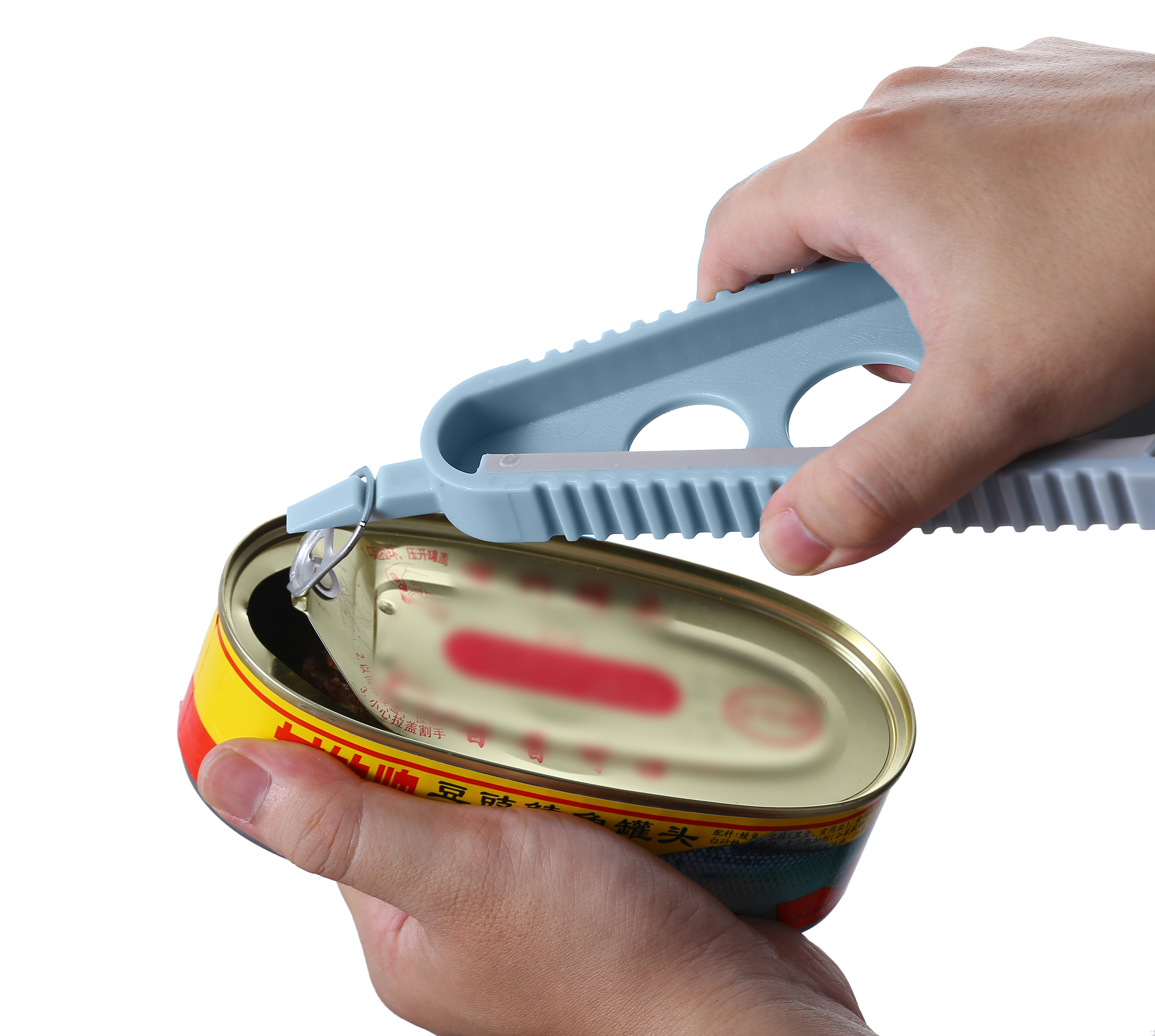
Innovative Multi-functional Can Opener Factory Insights
For retailers, distributors, promotional product buyers, and kitchenware brands, a multi-functional opener is a small item with a large impact on customer satisfaction. The best products are easy to understand, comfortable to hold, reliable in repeated use, and simple to display or explain online. The original article highlighted a Space Bottle Opener with a geometric, semi-circular shape, an ergonomic grip, multiple openings for different bottle cap sizes, and clear operating instructions printed on the tool. Those details point to a broader sourcing lesson: buyers should evaluate not only the look of an opener, but also how the design helps real users complete everyday tasks.
This guide explains how to assess a multi-functional can opener factory or bottle opener supplier without relying on unsupported claims. Instead of focusing on buzzwords, it outlines practical questions to ask, product details to compare, and quality checkpoints that can help you build a more dependable kitchenware assortment.
Key Takeaways
- Multi-functional openers should be judged by usability, grip comfort, task range, and clarity of instructions.
- A factory discussion should cover materials, tooling, finishing, packaging, quality inspection, lead time, and customization options.
- Do not assume material grade, certification, or capacity; ask the supplier to document each claim.
- Samples are essential because small differences in edge shape, leverage, and hand feel can change the user experience.
Why Multi-functional Openers Remain Popular
Kitchen drawers are crowded, and many consumers prefer compact tools that solve more than one problem. A modern opener may be designed for standard bottle caps, pull tabs, twist caps, or other light opening tasks depending on its structure. In the case of the Space Bottle Opener described in the source article, the main explicit benefits are its semi-circular geometric form, ergonomic grip, various openings for different bottle cap sizes, and imprinted usage instructions.
For B2B buyers, these features matter because they can reduce friction after purchase. A tool that visually suggests where to place a cap is easier to sell online and easier for end users to understand. A product that feels stable in the hand may also generate fewer complaints than one that looks attractive but slips during use. The sourcing goal is not simply to find an opener with many functions; it is to find one where each function is clear, safe to operate as intended, and durable enough for the expected retail channel.
Factory Capabilities to Verify Before Ordering
When contacting a multi-functional can opener factory, ask for specific information instead of broad promises. A reliable supplier should be able to explain the production process used for the item, the available surface finishes, the packaging choices, and the normal inspection steps. If the supplier offers OEM or private label service, confirm what can actually be customized: color, logo position, packaging artwork, instruction language, or product shape may require different tooling and approval steps.
Buyers should also ask whether the factory can provide drawings, pre-production samples, and clear sample approval procedures. If a product has printed instructions on the body, as the Space Bottle Opener example does, confirm printing durability expectations and request samples after printing, not only blank samples. If a product has several openings for different cap sizes, ask how the factory checks dimensional consistency during production.
Product Design Details That Affect User Experience
Small kitchen tools succeed when the design is intuitive. The semi-circular form mentioned in the original article is useful because shape can guide the hand into a natural grip. However, buyers should still test whether the opener is comfortable for different hand sizes and whether the user can identify the correct opening quickly.
During sample review, evaluate the following details:
- Grip security: Does the tool stay stable when lifting or twisting a cap?
- Opening placement: Are the functional openings easy to distinguish?
- Instruction clarity: Are printed directions visible and understandable?
- Edge comfort: Are contact areas smooth enough for normal handling?
- Leverage: Does the tool open the intended cap types with reasonable effort?
- Cleaning practicality: Are there narrow spaces that trap residue?
These checks are especially important for online retail, where returns often result from mismatched expectations. Product pages should state the intended use clearly and avoid implying that one opener can handle every container unless that has been tested and documented.
Comparison and Sourcing Checklist
| Checkpoint | What to Ask the Supplier | Why It Matters |
|---|---|---|
| Function range | Which cap sizes or opening tasks is this model designed for? | Prevents overpromising and helps write accurate listings. |
| Material information | What material is used, and can it be documented? | Avoids unsupported assumptions about grade or performance. |
| Grip and shape | Can samples be tested by multiple users? | Comfort affects repeat use and customer reviews. |
| Printing or instructions | How are instructions applied, and can printed samples be approved? | Ensures the user guidance remains legible and correctly placed. |
| Packaging | What retail, bulk, or private label packaging options are available? | Packaging affects channel fit, shipping protection, and shelf presentation. |
| Quality control | What inspection steps are performed before shipment? | Helps buyers understand how consistency is managed. |
| Commercial terms | What are the MOQ, lead time, sample cost, and payment terms? | These details must be confirmed for each order rather than assumed. |
How to Communicate OEM and Wholesale Requirements
Before requesting a quotation, prepare a short specification brief. Include the target market, expected use cases, preferred packaging format, logo requirements, order quantity estimate, and any retailer compliance requirements that apply to your business. If you need a customized opener, clarify whether you are modifying an existing design or developing a new shape. A new shape may require tooling, longer development time, and additional sample rounds.
It is also helpful to provide reference photos or sketches, but avoid asking the factory to copy protected designs. Instead, describe functional goals such as a more comfortable grip, clearer cap-size markings, or a package suitable for hanging display. Good communication reduces revisions and helps the supplier respond with realistic options.
Sample Testing Before Bulk Production
Samples should be tested in conditions close to real use. Try the opener with the cap types it is intended to handle, and record whether the tool slips, bends, scratches easily, or requires too much force. If the product includes multiple openings, test each one separately. If there are printed instructions, check whether users can follow them without extra explanation.
For wholesale orders, keep an approved sample as a reference. This makes it easier to compare pre-production or shipment samples later. If your sales channel requires specific labeling, warnings, or documentation, ask the supplier early and verify what they can provide. Do not assume certifications or test reports are available unless the factory supplies current documents relevant to the product and destination market.
Use and Care Guidance for End Users
Even a well-designed opener benefits from clear user guidance. Retailers can reduce confusion by adding simple instructions to product pages or packaging. For a semi-circular multi-opening tool, users should hold the opener by the main body, choose the opening that fits the cap, align it fully, and lift or twist with steady pressure. The tool should be used only for the cap types it is designed to open.
Basic care guidance should be conservative: wipe the opener clean after use, dry it before storage, and avoid using it as a pry bar for unsuitable containers. If dishwasher safety, food-contact suitability, or corrosion resistance is important for your market, ask the supplier to confirm those points with product-specific documentation before making claims.
Practical FAQ
What should I ask a multi-functional can opener factory first?
Start with the intended functions, available materials, customization options, sample process, packaging choices, MOQ, lead time, and inspection methods. Ask for documentation whenever a claim affects safety, compliance, or marketing.
Is a multi-functional opener always better than a single-use opener?
Not always. A multi-functional opener is valuable when each function works well and is easy to understand. If extra functions make the tool confusing or uncomfortable, a simpler model may be better for the target customer.
Can I print my logo or instructions on the opener?
Many suppliers may offer printing or branding, but the method, placement, durability, cost, and minimum quantity must be confirmed. Always approve a printed sample before bulk production.
How do I avoid making unsupported product claims?
Use only confirmed facts from supplier documents and sample testing. Do not claim a specific material grade, certification, dishwasher safety, or performance result unless it is supported by relevant evidence.
What makes the Space Bottle Opener design notable?
Based on the original description, it uses a geometric semi-circular shape, an ergonomic grip, multiple openings for different bottle cap sizes, and printed operating instructions. Those features show how user-focused design can make a compact opener easier to understand and use.
