




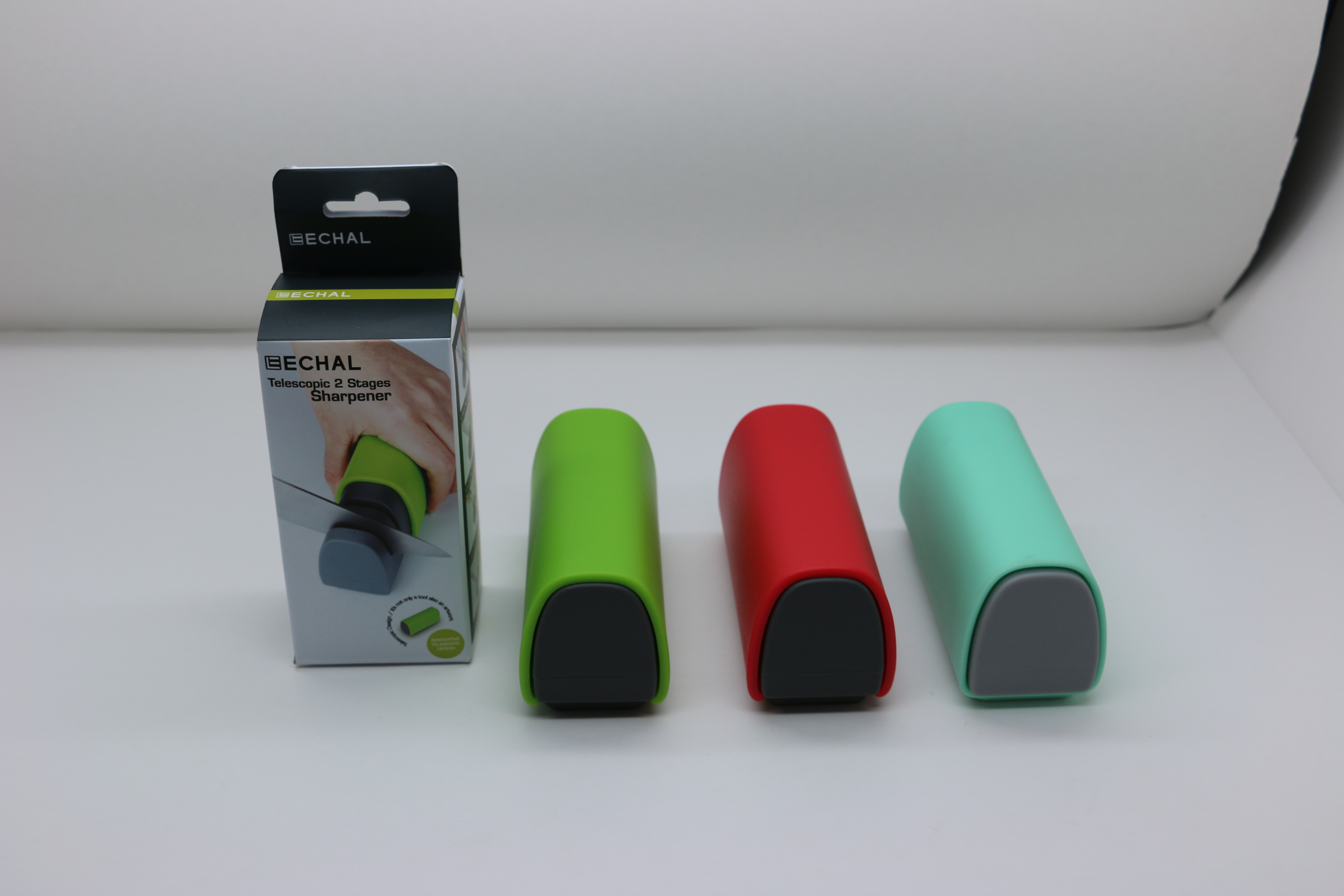
How to Choose a Sharpener Factory for Modern Stationery
Sourcing from a sharpener factory is not only about finding a low unit cost. For stationery brands, school supply distributors, promotional product companies, and retail buyers, the right supplier must balance usability, appearance, consistency, packaging, and dependable communication. A pencil sharpener may be a small item, but poor blade alignment, weak housing, uncomfortable handling, or unclear customization can quickly lead to complaints.
The original article highlighted a modern direction in stationery: practical sharpeners with cleaner styling, compact forms, matte finishes, and details such as a multi-functional slider mechanism. Those features reflect a wider market shift. Buyers increasingly want everyday tools that feel considered, not generic. This guide explains how to evaluate a sharpener supplier before you commit to sampling or production.
Key Takeaways
- Start with the end user: students, offices, artists, gift buyers, or retail customers may need different sharpener designs.
- Ask suppliers to explain materials, blade type, locking structure, packaging options, and quality checks instead of assuming specifications.
- Request samples and test them with the pencil types your customers actually use.
- For OEM or wholesale projects, confirm customization details, lead time, order process, and inspection standards in writing.
Define the Sharpener You Need Before Contacting a Factory
Before comparing factories, prepare a clear product brief. A supplier can respond more accurately when you specify the sales channel, target price range, intended market, packaging style, and any customization needs. For example, a school supply wholesaler may prioritize durability and easy cleaning, while a lifestyle stationery brand may care more about color, surface finish, and retail presentation.
If you are interested in a modern slider-style sharpener, mention the functions you expect. The source article referred to a multi-functional slider mechanism, a two-step locking mechanism, compact and lightweight construction, and a modular component system. These are useful starting points for discussion, but buyers should ask the factory to define exactly how each mechanism works, what components are replaceable, and how reliability is checked during production.
What to Look for in a Sharpener Supplier
A capable sharpener supplier should be able to answer technical and commercial questions without vague promises. You do not need every supplier to offer the same product, but you do need transparency. Ask whether the factory produces finished sharpeners itself, assembles components from outside vendors, or works as a trading partner. Each model can work, but the quality control process should be clear.
Important questions include:
- What materials are used for the outer housing, internal parts, and blade?
- Can the supplier provide samples from current production rather than only hand-finished display samples?
- What color options are available, and are rose pink, sky blue, or other custom colors standard or made to order?
- Is the matte, soft-touch surface achieved by material selection, coating, texture, or another process?
- How does the supplier check blade sharpness, shaving collection, locking reliability, and assembly consistency?
- What packaging formats are available for wholesale, retail, or promotional use?
Compare Design, Function, and Sourcing Risks
Good design should make a sharpener easier to use, not merely more decorative. A compact and lightweight item is useful for pencil cases, office drawers, and travel kits, but it still needs stable handling and safe storage. A two-step locking mechanism may help prevent accidental opening, but buyers should test whether it is intuitive for the intended age group.
| Evaluation Area | What to Check | Questions to Ask the Supplier |
|---|---|---|
| Mechanism | Slider movement, locking, opening, and closing | How many steps are required, and how is the lock tested? |
| Materials | Housing feel, internal parts, blade condition | What materials are used, and can they be confirmed on a specification sheet? |
| Usability | Grip comfort, shaving disposal, portability | Which user group was the design made for? |
| Appearance | Color accuracy, matte finish, surface consistency | Can custom colors be matched, and what tolerance is acceptable? |
| Customization | Logo placement, modular parts, packaging | What can be customized without changing the tool design? |
| Quality Control | Sampling, inspection, defect handling | What checks are performed before shipment? |
Sampling and Testing: Do Not Skip the Practical Checks
Samples are essential for any sharpener factory project. Test the product with standard graphite pencils, colored pencils, and any specialty pencils relevant to your customers. Look for smooth sharpening, an even pencil point, clean shaving collection, and no obvious cracking or looseness after repeated use.
For a slider or modular design, operate the mechanism many times. Confirm that the movement does not feel too loose or too stiff. If the product is intended for children, ask about age suitability, small parts, and applicable market requirements, but do not accept broad claims without documentation. If the sharpener will be sold under your brand, keep approved samples and written specifications for future comparison.
Customization, OEM, and Packaging Considerations
Many B2B buyers contact a sharpener factory because they need private label, OEM, or wholesale packaging. Customization can include logo printing, color selection, packaging artwork, instruction inserts, assortment planning, or display cartons. More complex changes may involve tooling, structure adjustments, or modular component changes.
Before placing an order, confirm what is included in the quotation. Ask whether artwork approval, sample revisions, packaging mockups, and pre-shipment inspection are part of the process. If a supplier offers elegant colors such as rose pink and sky blue, request physical color samples or production references, because screen images are not reliable for approval. Also ask how color consistency is managed between batches.
Communication and Commercial Details to Confirm
A reliable supplier should communicate clearly about lead times, order steps, payment terms, and shipping documents. Because the original information does not provide specific manufacturing capacity, MOQ, pricing, certifications, or testing results, buyers should request those details directly from the supplier. Avoid relying on assumptions or generic claims.
For better sourcing control, prepare a written checklist covering product specification, approved sample, packaging, carton marking, inspection method, delivery schedule, and responsibility for defects. This is especially important when a simple item is sold in large quantities, because small inconsistencies can become costly at scale.
Practical FAQ for Sharpener Factory Buyers
What should I ask first when contacting a sharpener factory?
Start with your target product type, order purpose, market, packaging needs, and customization requirements. Then ask for available models, material details, sample options, and the factory’s quality control process.
Is a slider mechanism better than a standard sharpener design?
Not always. A slider mechanism can improve portability or user experience when well designed, but it should be tested for durability, ease of use, and cleaning. Choose based on the customer’s needs, not only on appearance.
Can I request custom colors such as rose pink or sky blue?
You can ask whether those colors are standard or custom. For custom colors, request physical samples, color references, and written approval steps before production.
How many samples should a B2B buyer test?
Test enough samples to judge consistency, not just one display piece. If possible, compare samples from different batches or request production-line samples before confirming a larger order.
What details should be written into a purchase agreement?
Include product model, materials, color, logo position, packaging, approved sample reference, inspection criteria, delivery terms, and how quality issues will be handled.
Final Thoughts
Choosing a sharpener factory is a sourcing decision that affects product quality, customer satisfaction, and brand trust. Modern features such as a compact body, matte finish, modular components, and a two-step locking slider can be valuable when they are supported by practical testing and clear supplier communication. The best approach is simple: define the product, verify the details, test real samples, and document every requirement before moving to production.
