




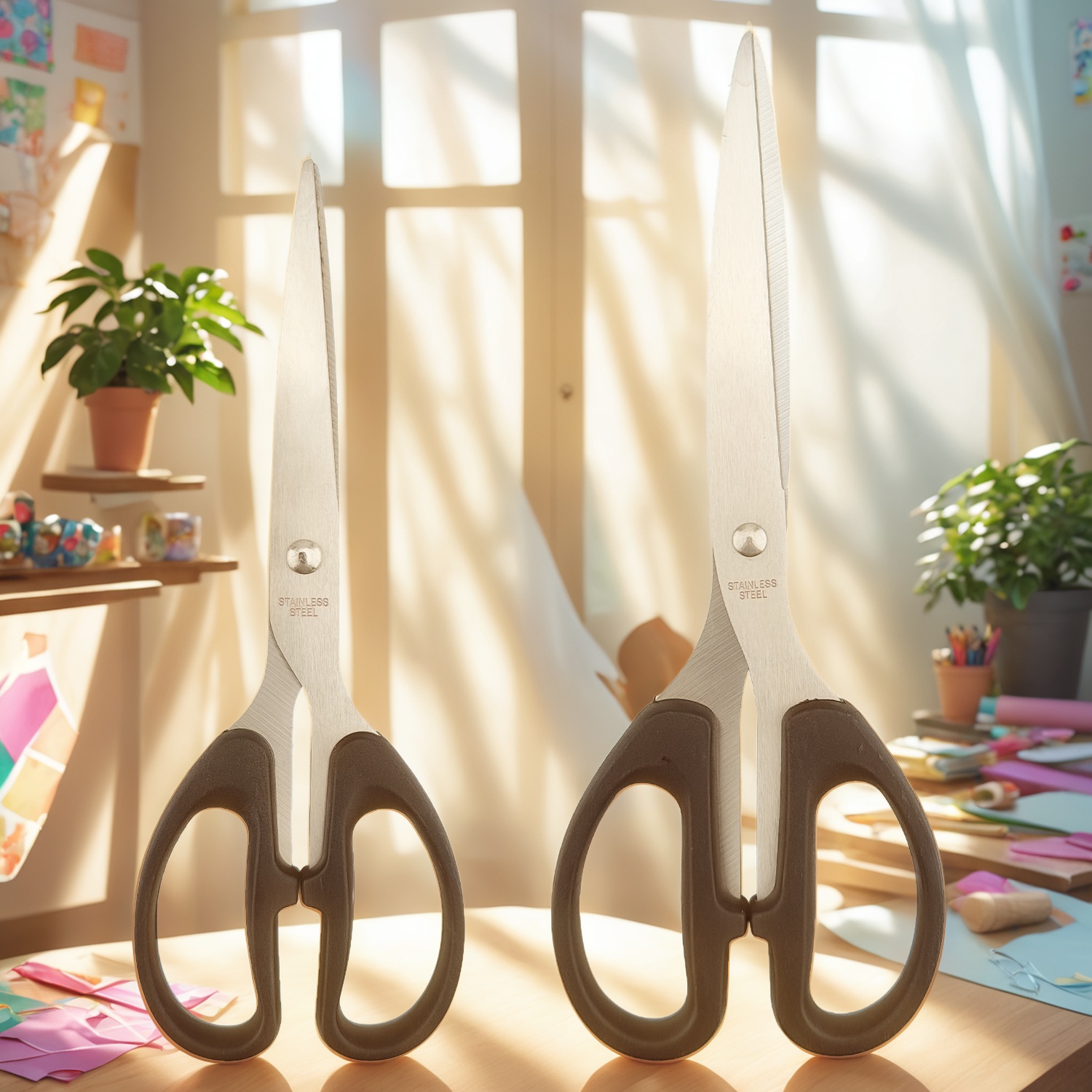
Classic Household Scissors: Versatile Cutting Tools for Daily Use and Sourcing
Classic household scissors remain one of the most frequently used tools in the home, office, craft room, and light kitchen workflow. A reliable pair can handle paper, packaging, labels, thread, and many everyday cutting tasks without requiring a specialized tool for every job. For retailers, distributors, and private-label buyers, the same product category also raises practical sourcing questions: What materials are stated clearly? How does the handle feel in repeated use? Can the supplier support custom scissors manufacturing for different markets or applications?
The original Bonet Houseware article introduced a stainless steel scissors set with matte black ergonomic handles and positioned it for home use as well as OEM customization. This rewritten guide keeps those explicit details while expanding the article into a useful selection and sourcing reference. It avoids unsupported claims and focuses on what buyers and end users can evaluate before purchasing or placing an OEM inquiry.
Key Takeaways
- Classic household scissors are useful across home, office, craft, and light kitchen tasks.
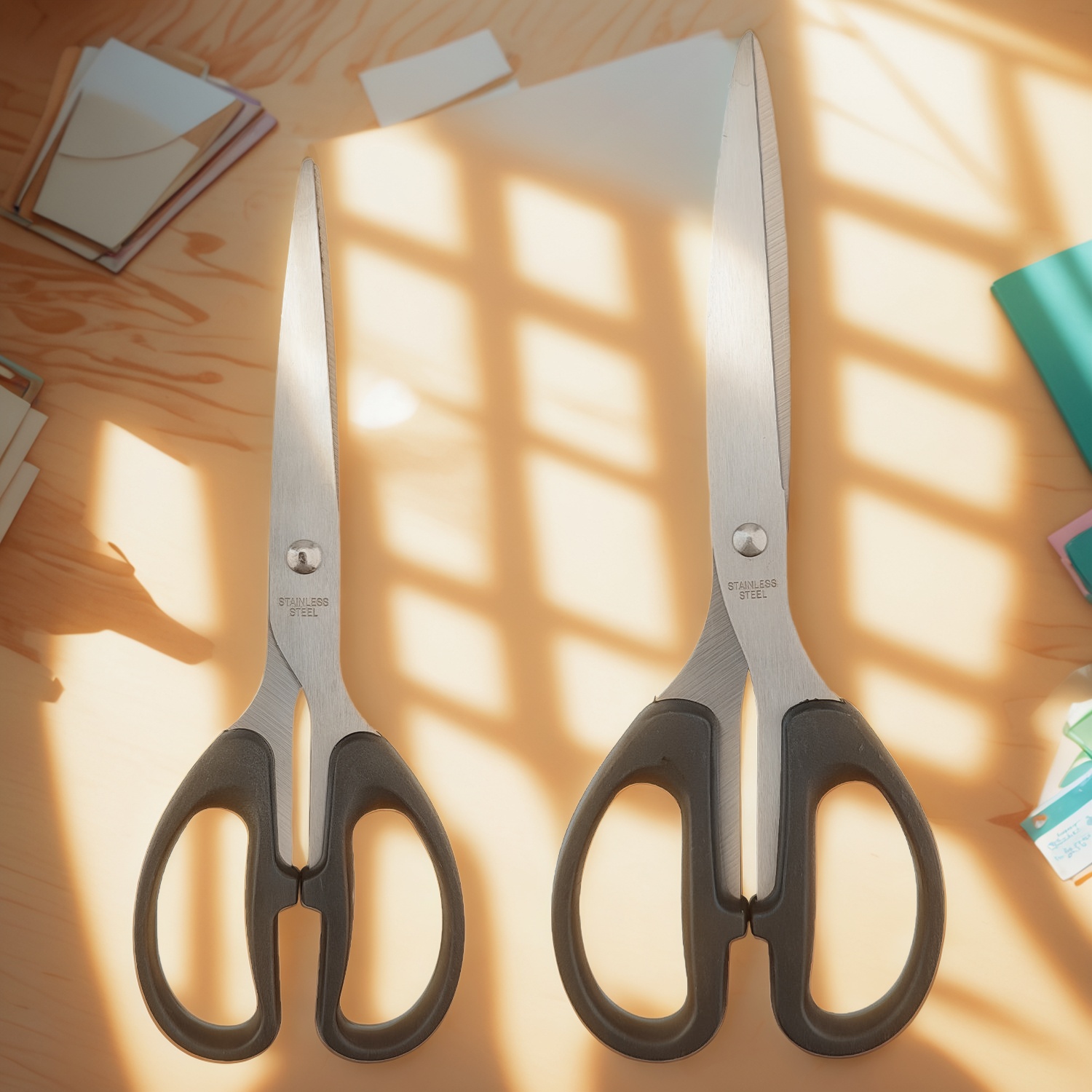
- The described scissors set uses stainless steel blades and matte black ergonomic handles.
- For daily comfort, assess handle shape, grip space, balance, and cutting smoothness.
- For OEM or wholesale sourcing, ask suppliers about customization scope, packaging options, quality checks, lead times, and order terms.
- Good care habits, such as cleaning and dry storage, help maintain cutting performance over time.
What Makes Classic Household Scissors Useful?
The value of classic household scissors is their flexibility. They are not limited to one narrow job, which makes them practical for households, offices, schools, craft kits, and general retail assortments. Typical uses include cutting paper, opening mail, trimming labels, preparing gift wrap, cutting light craft materials, and managing packaging around the home.
That versatility does not mean one pair should be used for every material. Scissors used for paper and craft supplies should be kept separate from those used for food packaging or adhesive-heavy materials. This simple habit helps preserve blade cleanliness and avoids transferring residue between tasks. For commercial buyers, it is also useful to explain intended applications in product descriptions so customers choose the right scissors for the right job.
Material and Handle Details to Evaluate
The source article states that the scissors are constructed with stainless steel blades and designed with matte black ergonomic handles. Stainless steel is commonly selected for household cutting tools because it is associated with durability and resistance to rust when properly maintained. However, buyers should still ask the supplier for precise material information instead of assuming a specific steel grade or test result.
Handle design is equally important. An ergonomic handle can reduce discomfort during repeated cutting, but comfort depends on hand size, cutting angle, and how long the tool is used at one time. A matte black handle can provide a clean, neutral appearance suitable for many retail and household settings. For wholesale or OEM buyers, sample evaluation should include grip feel, finger opening size, edge smoothness, and whether the handle remains comfortable during repeated use.
Comparison Checklist for Product Selection
Whether you are buying one set for household use or evaluating a supplier for a private-label program, the following checklist helps compare options in a structured way.
| Selection Point | What to Check | Why It Matters |
|---|---|---|
| Blade material | Confirm the stated material and ask for details if needed | Helps avoid assumptions about grade, coating, or performance |
| Cutting feel | Test on paper, packaging, and intended light materials | Shows whether the scissors cut smoothly without snagging |
| Handle comfort | Check grip shape, finger space, and pressure points | Improves usability during repeated household or office tasks |
| Finish quality | Look for clean edges, stable alignment, and neat assembly | Supports a better user experience and retail presentation |
| Customization | Ask what can be customized: color, packaging, branding, or structure | Important for OEM scissors factory and wholesale projects |
| Care instructions | Request recommended cleaning and storage guidance | Helps customers maintain performance and avoid misuse |
Guidance for OEM, Wholesale, and Private-Label Buyers
For sourcing teams, classic household scissors are a practical product category because they fit many channels: houseware stores, office supply ranges, school and craft assortments, promotional kits, and online bundles. Still, a good sourcing process should go beyond appearance. Buyers should define the intended market, use case, target packaging style, and quality expectations before requesting a quotation.
If working with an OEM scissors factory or discussing custom scissors manufacturing, ask clear, documented questions. For example: Which parts of the scissors can be customized? Are handle colors adjustable? Can packaging be tailored for retail shelves or e-commerce shipping? What quality inspection steps are used before shipment? What are the available sample procedures, production lead times, and minimum order requirements? Are any documents available to support the stated material or finish? These questions do not assume capabilities; they help verify them.
It is also wise to review samples under real conditions. Have different team members test the scissors, including users with different hand sizes. Cut the materials most relevant to your market, observe how the blades align, and check whether the handle remains comfortable after repeated use. Keep written notes so product decisions are based on consistent criteria rather than first impressions alone.
Everyday Use and Care Tips
Household scissors last longer when they are used and stored sensibly. Avoid cutting hard wire, thick plastic, or materials beyond the tool's intended purpose unless the supplier states that the product is suitable for such use. Heavy misuse can damage blade edges or loosen alignment.
- Wipe the blades after cutting adhesive labels, tape, or packaging with residue.
- Dry the scissors before storage, especially after contact with moisture.
- Store them in a drawer, holder, or package where the blades are protected.
- Keep separate scissors for food-related packaging, crafts, and office materials when possible.
- Do not leave scissors within reach of young children without supervision.
For retailers, including simple care instructions on the product page or packaging can reduce customer misuse and improve satisfaction. For OEM buyers, request care wording from the supplier and confirm that it matches the product's intended use.
How to Position Classic Household Scissors in a Product Range
Classic household scissors can be positioned as a general-purpose tool rather than a highly specialized accessory. This makes them suitable for multipack assortments, starter home kits, office desks, school supply lists, and craft storage areas. The described stainless steel scissors set with matte black ergonomic handles can fit a clean, practical presentation, but product copy should remain specific and accurate.
Avoid vague claims such as professional-grade unless the supplier provides evidence and the term is clearly defined. Instead, describe the visible and confirmed attributes: stainless steel blades, matte black ergonomic handles, intended household versatility, and availability for custom discussions if offered by the supplier. This approach is better for organic search quality because it matches real buyer questions and reduces unsupported promotional language.
FAQ
What are classic household scissors used for?
They are commonly used for everyday tasks such as cutting paper, opening packaging, trimming labels, handling craft materials, and general office or household cutting needs.
Are these scissors made with stainless steel?
The source article describes the scissors set as using stainless steel blades. Buyers who need a specific grade, finish, or test document should ask the supplier directly before ordering.
Why do ergonomic handles matter?
Eronomic handles are designed to support a more comfortable grip, especially during repeated use. Comfort should still be confirmed with samples because hand size and cutting habits vary.
Can household scissors be customized for OEM projects?
The original article refers to OEM and custom scissors manufacturing. Buyers should ask which details can be customized, such as handle color, packaging, branding, or other design elements.
What should wholesale buyers ask before placing an order?
Ask about available samples, customization scope, material details, quality checks, packaging options, lead times, minimum order requirements, and any documentation needed for your sales market.
How should classic household scissors be maintained?
Keep blades clean and dry, avoid cutting unsuitable hard materials, remove adhesive residue promptly, and store the scissors safely with the blades protected.
