




Office Stationery Scissors: How to Choose Reliable Scissors for Work and School
Office stationery scissors are simple tools, but the wrong pair can slow down everyday work. A clean cut matters when trimming paper, opening light packaging, preparing classroom materials, or cutting labels for filing and shipping. For schools, offices, retailers, and stationery buyers, the goal is not only to find scissors that look appealing on a desk. The more important question is whether the scissors are suitable for repeated daily use, comfortable for different users, and packaged or specified clearly enough for purchasing decisions.
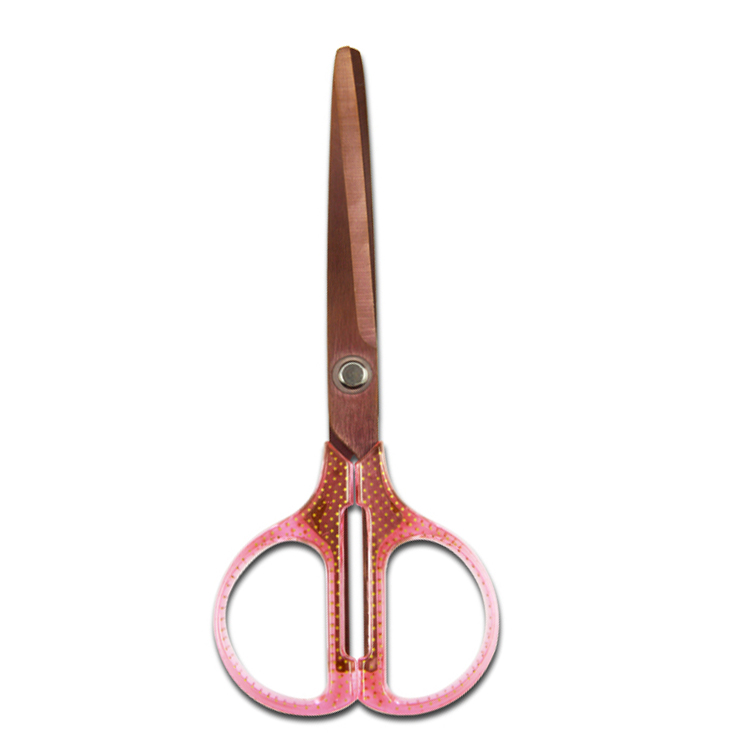
The original product information highlights a New Pattern Cover Stationery Scissors Series with 6-1/4 inch and 7 inch options, patterned covers, and color designs such as blue and copper tones, rainbow and mint options, cartoon characters, and floral motifs. These details suggest a product line aimed at both office and school settings, where appearance, blade protection, and practical cutting performance all influence selection. This guide explains how buyers can evaluate stationery scissors without relying on vague marketing claims.
Key Takeaways
- Choose 6-1/4 inch scissors for compact desk use and 7 inch scissors for larger paper or craft tasks.
- Blade covers can help protect the blades during storage and may be useful in school or shared-office environments.
- Sharp stationery scissors should cut paper cleanly without snagging, but buyers should confirm suitable materials with the supplier.
- For wholesale or OEM sourcing, ask clear questions about materials, packaging, sample approval, labeling, and quality checks.
- Do not select scissors based only on color or pattern; comfort, safety, consistency, and intended user group matter more.
Where Office Stationery Scissors Are Used
Stationery scissors are used across many routine settings. In offices, they are commonly kept at reception desks, administrative workstations, mailrooms, storage rooms, and meeting areas. Typical tasks include cutting documents, opening envelopes, trimming printed materials, cutting adhesive labels, and handling light packaging. In schools, scissors may be used for art projects, classroom displays, worksheets, and student assignments.
Because these tasks are varied, one design rarely fits every use. A compact pair may be convenient for a drawer or pencil case, while a longer pair may be easier for straight cuts across larger sheets of paper. If the scissors will be used by children, the buyer should pay closer attention to handle comfort, storage, supervision needs, and any safety requirements set by the school or local market.
Size Options: 6-1/4 Inch vs 7 Inch
The source information mentions sizes such as 6-1/4 inches and 7 inches. These sizes are common for stationery use because they balance control and cutting length. A 6-1/4 inch pair is usually easier to store and may suit lighter desk tasks. A 7 inch pair gives the user more cutting reach, which can be helpful for paper crafts, classroom materials, and general office work.
When buying for a team or institution, it is useful to match size to the main task rather than choosing one size for every user. For example, a school art room may benefit from more 7 inch scissors, while an office supply cabinet may include a mix of compact and standard sizes. If the scissors will be sold at retail, consider offering both sizes with clear labeling so customers understand the difference before purchase.
Comparison Checklist for Buyers
| Selection Point | What to Check | Why It Matters |
|---|---|---|
| Size | 6-1/4 inch or 7 inch options | Helps match scissors to desk work, crafts, or larger paper tasks |
| Cutting performance | Clean paper cuts without snagging | Reduces waste and makes repeated tasks easier |
| Blade cover | Patterned or protective cover included | Supports safer storage in drawers, pencil cases, or classrooms |
| Handle comfort | Grip shape and fit for intended users | Improves control during frequent cutting |
| Design range | Colors or patterns such as blue, copper, rainbow, mint, cartoon, or floral styles | Useful for retail display, school sets, or brand assortment planning |
| Supplier details | Ask about materials, packaging, samples, and quality checks | Prevents misunderstandings before bulk purchasing |
Blade Covers, Patterns, and Classroom Storage
The original article notes patterned covers with designs such as cartoon characters and floral motifs. A cover is more than a decorative feature. It can help protect the blade edge from damage during storage and reduce accidental contact when scissors are kept in a drawer, pencil pouch, or shared classroom bin. For school use, covers may also help teachers organize sets by color or pattern.
However, buyers should not assume that every covered scissor is suitable for every age group or school policy. If scissors are intended for children, ask the supplier whether the design is recommended for a particular user group and what precautions are needed. Schools and distributors should also review local safety expectations for student supplies before placing a bulk order.
How to Evaluate Sharp Stationery Scissors
Sharp stationery scissors should provide smooth, controlled cuts through ordinary paper. The source text describes blades that cut smoothly without snagging, which is an important practical benefit for office and school users. A buyer can test this by cutting copy paper, colored paper, thin card, and packaging paper if those materials are part of the expected use. The scissors should open and close smoothly, keep the paper aligned, and avoid tearing at the end of the cut.
It is also important to define what the scissors are not intended to cut. Stationery scissors are generally selected for paper and light daily tasks, not heavy industrial material. Before advertising them for cardboard, fabric, plastic sheet, or other materials, ask the supplier to confirm appropriate use and provide any relevant product limitations.
B2B Sourcing Questions for Wholesale and OEM Orders
For wholesale buyers, importers, promotional product companies, and stationery distributors, product selection should include commercial and quality questions. The available source content does not state manufacturing capacity, material grade, minimum order quantity, certifications, test results, or pricing. Those details should be requested directly instead of assumed.
- What blade and handle materials are used, and are alternatives available?
- Can the supplier provide samples of each size, color, and cover pattern before order confirmation?
- What packaging formats are available, such as individual packing, retail card, or bulk cartons?
- Can artwork, barcode placement, instruction text, or private labeling be reviewed before production?
- What quality checks are performed for blade alignment, cutting performance, cover fit, and visual defects?
- What lead time, order quantity, and shipment terms apply to the requested assortment?
For OEM or private-label programs, buyers should also ask how color matching is handled, whether pattern changes affect cost or lead time, and what approval process is used for pre-production samples. These questions help prevent disputes and keep expectations measurable.
Use and Care Tips for Longer Service
Even basic office stationery scissors last longer when used correctly. Keep them dry, store them with the cover when provided, and avoid cutting sticky tape repeatedly unless the scissors can be cleaned safely afterward. Adhesive buildup can affect the smooth opening and closing action. Users should also avoid dropping scissors, forcing cuts through materials beyond their intended use, or storing them loosely with heavy metal tools that may damage the blades.
In shared offices and classrooms, assign scissors to a storage location so they are not lost or mixed with unsuitable tools. For schools, teachers may prefer a counted set and a simple return routine after each activity. For offices, placing scissors near printers, packing areas, and supply cabinets can reduce unnecessary searching and keep work moving.
Practical FAQ
What size office stationery scissors should I choose?
Choose 6-1/4 inch scissors for compact desk storage and light paper tasks. Choose 7 inch scissors when users need a longer cutting path for worksheets, craft paper, or general office materials.
Are patterned cover scissors suitable for schools?
They can be useful for school storage and organization, especially when covers protect the blades between activities. Buyers should still confirm age suitability, supervision needs, and any local school supply requirements.
Can these scissors cut packaging?
They may be suitable for light packaging tasks, but the supplier should confirm intended materials. Do not market stationery scissors for heavy packaging or industrial cutting unless that use is specifically supported.
What should wholesale buyers confirm before ordering?
Ask about materials, sample availability, packaging, labeling, quality checks, lead time, and order quantity. If you need private-label or OEM service, request artwork proofing and pre-production sample approval.
Do color and pattern affect performance?
Color and pattern mainly affect appearance, display appeal, and organization. Cutting performance depends more on blade quality, alignment, handle comfort, and consistent production control.
Final Buying Advice
Office stationery scissors should be chosen for real tasks: clean paper cutting, comfortable handling, safe storage, and dependable everyday use. The New Pattern Cover Stationery Scissors Series described in the original information offers practical size options and visual variety, including 6-1/4 inch and 7 inch models with patterned covers and several color styles. For consumers, the best choice is the pair that fits the user and the task. For B2B buyers, the best order is the one supported by clear samples, specifications, packaging details, and agreed quality checks before production.
