




Juice Squeezer Supplier: Practical Sourcing Guide for Buyers
Choosing a juice squeezer supplier is not only about finding an attractive kitchenware item. For retailers, distributors, cafés, hospitality buyers, and promotional product companies, the supplier decision affects product consistency, customer satisfaction, replenishment planning, and after-sales support. A manual citrus squeezer may look simple, but small details such as reamer shape, container clarity, measurement markings, ease of disassembly, and packaging can influence how well the product performs in daily use.
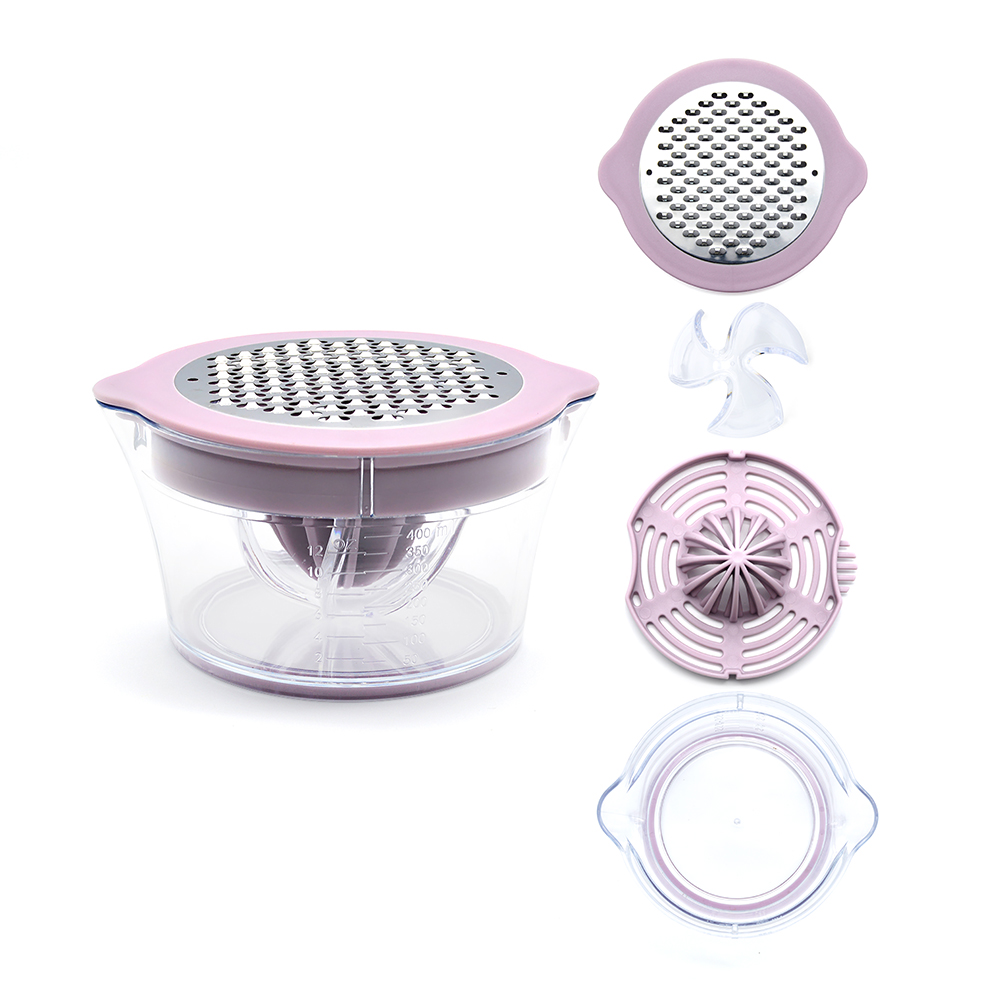
The original product described by Bonet Houseware features a green and clear design, a clear container with measurement markings, an ergonomic reamer, and an easy-to-disassemble structure for cleaning. Those are useful starting points for evaluating the item. However, professional sourcing requires more than reviewing a product photo or a short description. Buyers should verify samples, ask clear commercial questions, and align the product with the expectations of their market.
Key Takeaways
- Assess both the product and the supplier process before placing a wholesale order.
- Confirm details such as material, dimensions, packaging, MOQ, lead time, and customization options directly with the supplier.
- For kitchenware, usability and cleaning are as important as appearance.
- Request samples and compare them against your retail, hospitality, or private-label requirements.
What Buyers Should Look for in a Juice Squeezer Supplier
A reliable supplier should be able to answer product, packaging, quality, and logistics questions clearly. If you are buying for resale, you need more than a general claim that the product is durable or easy to use. You need consistent documentation, sample availability, and realistic communication about production timelines.
Start by asking whether the supplier supports wholesale orders, OEM packaging, private-label decoration, or other customization. Do not assume that all options are available for every product. Ask which parts can be customized, what artwork format is required, whether additional tooling is needed, and whether samples can be produced before mass production.
It is also wise to understand how the supplier handles product consistency. For a manual juicer, the key points may include stable fit between the reamer and container, clear measurement markings, smooth edges, easy disassembly, and packaging that protects the product during shipping. These details can reduce complaints and improve the end-user experience.
Product Features Worth Evaluating
The described citrus squeezer has several features that can be relevant for both consumer use and retail merchandising. Its green and clear appearance gives buyers a visible design concept to assess for shelf appeal. The clear container helps users see the juice level, and measurement markings can support recipe preparation or portion control. An ergonomic reamer is intended to make squeezing easier, while the easy-to-disassemble structure supports quicker cleaning.
When reviewing a sample, test the product with common citrus fruits such as lemons, limes, and oranges. Check whether the reamer sits securely, whether the container is comfortable to hold, and whether juice pours cleanly if the product has a pouring edge. Look closely at the markings to see if they are legible and suitable for your target market. If the product will be sold in multiple regions, ask whether measurement units, labeling, and packaging language can be adjusted.
Comparison Checklist for Wholesale Evaluation
The following checklist can help buyers compare a juice squeezer supplier against other kitchenware sourcing options. Use it during sample review and supplier communication.
| Evaluation Area | What to Check | Questions to Ask the Supplier |
|---|---|---|
| Product usability | Reamer comfort, container grip, stability, ease of cleaning | Can samples be tested before confirming a bulk order? |
| Visible design | Color, clear container, measurement markings, shelf appeal | Are color or packaging changes available for wholesale buyers? |
| Material details | Material type, thickness, surface finish, odor, edge smoothness | What material is used, and can documentation be provided? |
| Packaging | Retail box, bulk packing, barcode, instruction insert, carton strength | What packaging formats are available for export or domestic resale? |
| Commercial terms | MOQ, lead time, payment terms, sample cost, reorder planning | What are the current order requirements and production schedule? |
| Quality process | Inspection steps, defect handling, replacement policy | How are products checked before shipment? |
Wholesale, OEM, and Private-Label Considerations
For wholesale buyers, the main goal is usually reliable supply of a product that can be sold with minimal customer service issues. For OEM and private-label buyers, the process is more detailed. You may need a custom logo, specific packaging artwork, instruction sheets, barcode placement, or color alignment with an existing product range.
Before requesting a quotation, prepare a short sourcing brief. Include expected order quantity, destination market, packaging preference, any logo or color requirements, target retail channel, and whether you need samples. This helps the supplier respond with relevant information instead of a generic price.
Important questions include:
- What is the current MOQ for this juice squeezer?
- What is the standard lead time after order confirmation?
- Can the supplier provide a pre-production sample for approval?
- Which customization options are available for the product and packaging?
- What quality checks are performed before shipment?
- What documents or product information can be provided for your market review?
A professional buyer should avoid assuming that a supplier has specific certifications, test reports, or compliance documents unless they are provided and verified. Requirements vary by country and sales channel, so the buyer should confirm what is needed for their own market.
How to Review Samples Before Ordering
Sample evaluation is one of the most useful steps in sourcing kitchenware. A sample can reveal practical issues that are not obvious in photos. For a manual juice squeezer, assemble and disassemble the unit several times. Check whether parts fit smoothly and whether cleaning feels convenient. Pour water into the container to test visibility of the measurement markings and to observe whether handling feels stable.
Use the product in a realistic setting. If your customers are home cooks, test it for small daily tasks such as squeezing lemon juice for tea or salad dressing. If your customers are cafés or food-service operators, consider whether the product is suitable for frequent light-duty use, easy rinsing, and storage between tasks. The intended use should guide your expectations.
Packaging and Merchandising Details
Packaging can strongly influence retail performance and shipping outcomes. Ask the supplier what packaging is normally used and whether it is designed for retail display, e-commerce fulfillment, or bulk distribution. A clear product image, simple usage explanation, and accurate product information can reduce confusion for consumers.
If selling online, request accurate dimensions, weight, packaging images, and care instructions from the supplier. If selling through physical retail, consider how the green and clear design will appear on shelves and whether the measurement markings are visible enough to communicate value quickly. For hospitality or promotional channels, simple and protective packaging may be more important than display presentation.
Practical FAQ
What makes a good juice squeezer supplier?
A good supplier communicates clearly, provides samples when possible, answers material and packaging questions, and explains current MOQ, lead time, and quality-control steps without vague promises.
Can a manual citrus squeezer be customized for private label?
It may be possible, but buyers should confirm available options with the supplier. Ask about logo placement, packaging artwork, color options, sample approval, and any additional cost or lead time.
What should I check on a juice squeezer sample?
Check reamer comfort, container clarity, measurement markings, assembly fit, cleaning convenience, edge finish, and packaging protection. Test the product with real citrus fruit before ordering.
Should I ask for compliance documents?
Yes, especially if the product will be sold in a regulated market or through a major retail channel. Ask the supplier what documents are available, then verify whether they meet your market requirements.
Is appearance or function more important?
Both matter. The green and clear design may support merchandising, while practical features such as measurement markings, an ergonomic reamer, and easy disassembly affect user satisfaction after purchase.
Final Sourcing Advice
A juice squeezer is a familiar kitchen tool, but sourcing it professionally requires careful review. Use the product description as a starting point, then confirm the details that matter to your business: material information, packaging format, customization options, order terms, sample process, and quality checks. By asking structured questions and testing samples, buyers can select a supplier and product that fit their sales channel and customer expectations.
