




Juice Squeezer Supplier: A Practical Retail Sourcing Guide
Choosing a juice squeezer supplier is not only about finding a low unit price. For retailers, distributors, promotional buyers, and kitchenware importers, the right supplier affects product consistency, shelf appeal, after-sales support, delivery planning, and repeat purchasing. Manual citrus squeezers remain a familiar kitchen item because they are simple, compact, and easy to understand at the point of sale. However, small differences in design, materials, packaging, and supplier communication can create large differences in customer satisfaction.
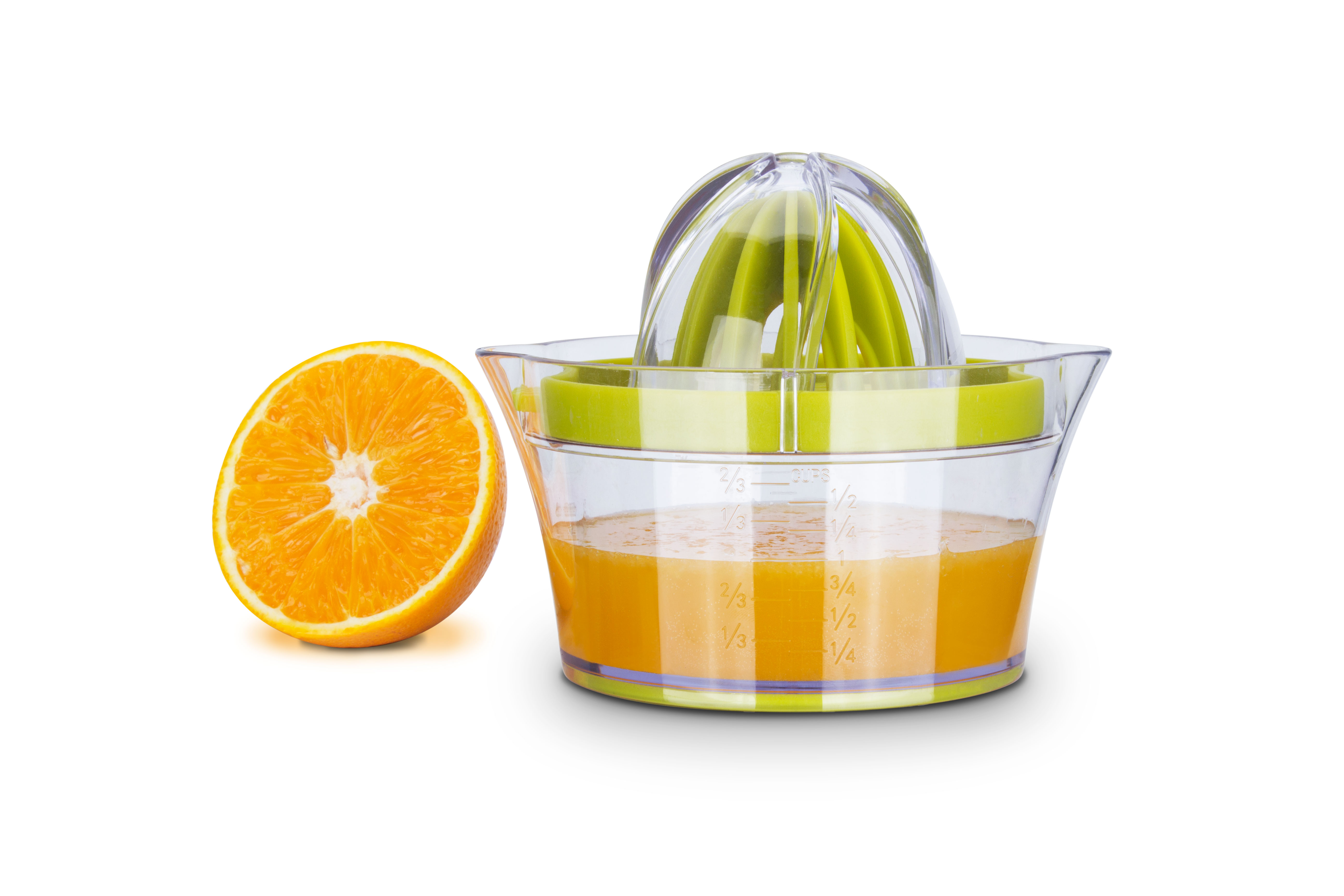
This guide explains how to evaluate a squeezer manufacturer or wholesale squeezer partner with a practical, B2B sourcing mindset. It also highlights product details buyers may want to compare, including an ergonomic cone, a transparent container with measurement markings, durable food-grade plastic, and a stable anti-slip base where those features are offered.
Key Takeaways
- Start with the target retail channel and customer use case before comparing products.
- Ask suppliers to confirm materials, packaging, testing, lead times, and customization options in writing.
- Review samples for extraction performance, stability, cleaning, measurement readability, and overall fit and finish.
- For OEM or wholesale orders, clarify commercial details such as MOQ, carton packing, artwork process, and replacement policy instead of assuming them.
Understand the Retail Search Intent
Consumers looking for a manual citrus juicer usually want a quick way to squeeze lemons, limes, oranges, or similar fruit without using an electric appliance. Retail buyers should therefore consider how the product will be positioned: a budget kitchen basic, a colorful impulse item, a practical baking and drinks accessory, or part of a broader kitchenware range.
A useful supplier should be able to discuss how the product fits retail needs, not just quote a price. Ask whether the model is suitable for hanging display, shelf display, e-commerce shipment, supermarket assortments, or private-label packaging. If the supplier can explain packaging dimensions, product presentation, and damage prevention, that is often a sign of better sourcing support.
Product Features to Review in Samples
Before placing a wholesale squeezer order, request samples and inspect them as a customer would. For a manual citrus juicer, the cone shape matters because it affects how easily the fruit is pressed and how much juice is extracted. An ergonomic cone may improve the user experience, but buyers should test it with different fruit sizes rather than relying on descriptions alone.
If the squeezer includes a transparent container with measurement markings, check that the markings are easy to read from common angles and that they will not confuse shoppers. A stable anti-slip base can help reduce movement during use, but the effectiveness should be assessed on typical kitchen surfaces. If the product is described as durable food-grade plastic, ask the supplier to identify the material and provide the relevant documentation they can support for your market.
Supplier Evaluation Checklist
A structured checklist helps buyers compare suppliers fairly. Use the table below when reviewing a squeezer manufacturer, trading partner, or wholesale distributor.
| Evaluation Area | What to Check | Questions to Ask |
|---|---|---|
| Product design | Cone shape, container clarity, measurement markings, base stability, cleaning ease | Can we review samples from current production, not only showroom pieces? |
| Materials | Plastic type, color consistency, odor, surface finish, contact areas | What material is used, and what documents are available for our destination market? |
| Packaging | Retail box, label area, barcode placement, carton strength, e-commerce suitability | Can packaging be adjusted for our retail channel or private-label requirements? |
| Quality control | Inspection process, defect handling, sample approval, batch consistency | What checks are performed before shipment, and how are nonconforming goods handled? |
| Commercial terms | MOQ, lead time, payment terms, replacement policy, shipping support | Which terms are negotiable, and what changes if the order includes custom packaging? |
How to Assess a Squeezer Manufacturer
When a supplier also manufactures the product, they may have stronger control over tooling, production scheduling, and quality feedback. That can be valuable for buyers who need consistent repeat orders or private-label adjustments. However, do not assume every manufacturer provides the same level of documentation, communication, or export support.
Ask direct questions about production workflow, sample approval, color matching, packaging proofing, and inspection records. If you need OEM changes, such as a different color, logo placement, retail package, or bundled assortment, request a clear development timeline. Buyers should also ask whether changes affect tooling, lead time, MOQ, carton quantity, and product cost. These details prevent misunderstandings after a purchase order is issued.
Wholesale Sourcing and Cost Control
Wholesale sourcing can support better pricing, steadier availability, and a more predictable product range, but only when the terms are clear. A low quotation may not include the same packaging, inspection level, labeling, or freight arrangement as a higher quotation. Compare offers on a like-for-like basis.
For retail success, calculate the total landed cost rather than looking only at the product cost. Include packaging, inner cartons, master cartons, shipping, duties where applicable, warehousing, damage allowance, and promotional markdowns. If the juice squeezer is sold online, consider whether the packaging can survive parcel handling or whether additional protection is needed. For brick-and-mortar shelves, focus on display clarity, barcode scanning, and how quickly shoppers understand the product’s use.
Sample Testing Before Purchase Orders
A simple sample test can reveal practical issues early. Use the product with several citrus fruits, measure how stable it feels, and check whether juice pours cleanly from the container. Wash it by hand and inspect whether pulp becomes trapped in hard-to-clean areas. If measurement markings are important for your customers, compare their readability before and after washing.
- Photograph the sample and record supplier name, model, date received, and quoted specifications.
- Test squeezing comfort, cone performance, container capacity, and base stability.
- Check surface finish, sharp edges, color uniformity, and packaging condition.
- Confirm whether the approved sample will be the standard for mass production.
- Keep one approved sample for incoming inspection when bulk goods arrive.
Building a Reliable Supplier Partnership
A dependable juice squeezer supplier should communicate clearly before problems appear. Share your target market, order forecast, packaging needs, and quality expectations early. In return, ask for realistic lead times, production updates, and written confirmation of important details. Good sourcing relationships are built on clarity, not assumptions.
If your business needs private label or OEM support, prepare artwork files, labeling requirements, and compliance expectations in advance. The supplier should explain what they can and cannot confirm. Avoid vague claims and request evidence when a product feature or material statement matters for your market. This approach protects both the buyer and the supplier and makes repeat orders easier to manage.
Practical FAQ
What should I ask a juice squeezer supplier first?
Start with product materials, available packaging, sample availability, MOQ, lead time, and whether the quoted item matches current production. Then ask what documents the supplier can provide for your destination market.
Is a manufacturer better than a trading company?
Not always. A manufacturer may offer stronger production control, while a trading company may offer broader product selection. Choose based on transparency, sample quality, communication, and your sourcing goals.
Which features matter most for a manual citrus juicer?
Important features include a comfortable cone shape, stable base, easy-to-read container, practical measurement markings, smooth pouring, and simple cleaning. Confirm all features through sample testing.
How can retailers reduce quality risks?
Approve a pre-production sample, define packaging and labeling requirements, request inspection criteria, and keep an approved sample for comparison when bulk goods arrive.
Can I request OEM packaging or branding?
Often yes, but terms vary by supplier. Ask about artwork format, approval process, MOQ changes, lead time impact, unit cost changes, and whether packaging samples can be reviewed before mass production.
