




Juice Squeezer Supplier: How to Source Citrus Juicers for Wholesale
Choosing a juice squeezer supplier is not only about finding a product that looks attractive on a shelf. For retailers, distributors, promotional buyers, and kitchenware importers, the decision should balance product usability, packaging readiness, quality consistency, communication, and commercial terms. A citrus squeezer is a simple kitchen tool, but small design details can affect customer satisfaction: how comfortably it extracts juice, whether the container is easy to pour from, and whether the markings are clear enough for recipes and drinks.
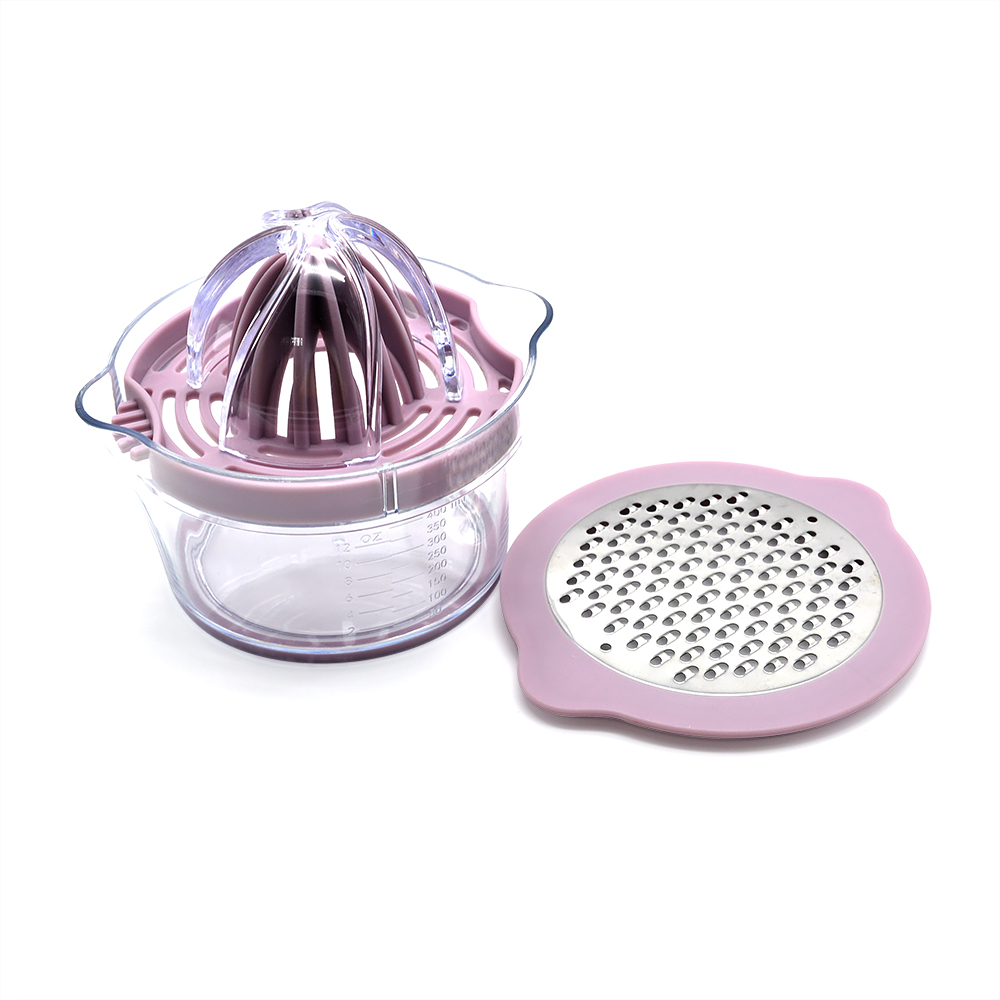
The current Citrus Juicer Pro concept offers several explicit features that are useful for everyday kitchen use: a clear acrylic body, a vibrant lime-green reamer, calibrated measurement markings on the side of the container, a tapered spout, compact sizing, and an easy-to-clean design. This guide explains how wholesale buyers can evaluate those features and what to ask before placing an order.
Key Takeaways
- A good juice squeezer supplier should provide clear answers about materials, packaging, quality checks, lead time, customization, and order terms.
- For this citrus juicer, confirmed visible features include clear acrylic construction, a lime-green reamer, side measurement markings, and a tapered pouring spout.
- Buyers should request samples before confirming wholesale or OEM orders, especially when color, packaging, and measurement accuracy matter.
- Acrylic citrus juicers can suit home kitchens, gift sets, recipe kits, cocktail accessories, and retail kitchenware assortments when positioned correctly.
Why Citrus Juicers Remain a Practical Kitchenware Category
Fresh lemon, lime, orange, and grapefruit juice is used in many household and commercial settings. Consumers use it for breakfast drinks, marinades, salad dressings, baking, cocktails, and wellness routines. Because a manual citrus juicer is affordable, compact, and easy to understand, it can be a useful addition to kitchenware ranges, supermarket seasonal displays, online bundles, and hospitality supply catalogs.
For B2B buyers, the category has another advantage: the product is easy to demonstrate. A customer can immediately understand the value of a reamer, a collection cup, visible measurement marks, and a controlled pour spout. However, easy-to-sell does not mean every product is equal. The supplier’s ability to maintain consistent color, finish, packaging, and inspection standards is still important.
Product Features to Evaluate in the Citrus Juicer Pro
The Citrus Juicer Pro is described as having a durable, clear acrylic body and a lime-green reamer. The clear body helps users see the amount of juice collected, while the green reamer provides a strong visual cue for citrus use. Its calibrated measurement markings on the container are helpful for recipes, smoothies, and cocktails, where users may need a specific amount of lemon or lime juice.
The tapered spout is another practical feature because it supports more controlled pouring into a glass, mixing bowl, shaker, or measuring cup. Compact sizing and easy cleaning are also relevant to consumers with limited drawer or counter space. When reviewing a sample, buyers should check how the reamer seats in the container, whether the spout pours cleanly, how visible the markings are in normal kitchen lighting, and whether the surfaces feel smooth and finished.
Supplier Comparison Checklist
Before choosing a wholesale squeezer partner, compare suppliers using practical questions rather than relying on product photos alone. The table below can help organize a sourcing review.
| Evaluation Area | What to Check | Questions to Ask the Supplier |
|---|---|---|
| Material details | Clear acrylic body and colored reamer appearance | What material documentation can you provide for the exact production version? |
| Usability | Reamer fit, pouring control, grip comfort, cleaning access | Can you provide samples for functional testing before bulk order approval? |
| Measurement markings | Visibility, placement, durability, reading accuracy | How are the markings applied, and what tolerance should buyers expect? |
| Color consistency | Lime-green reamer shade across samples and batches | Can you match a requested color reference for OEM orders? |
| Packaging | Retail box, label, barcode, master carton protection | What packaging options are available, and can artwork be customized? |
| Commercial terms | MOQ, lead time, payment terms, reorder planning | What are the current MOQ, production lead time, and sample policy? |
How to Assess Quality Before a Wholesale Order
A reliable juice squeezer supplier should welcome a structured sample review. Buyers should not limit inspection to appearance. Test the product with lemons, limes, and small oranges to understand how it performs with common citrus sizes. Pour the collected juice into a narrow glass or shaker to assess the spout. Wash the product by hand and check whether pulp collects in hard-to-clean areas.
For retail programs, also review the packaging. A good kitchenware item can lose commercial value if the packaging does not protect the product in transit or explain the use clearly. Ask whether the supplier can provide plain packaging, retail-ready packaging, or customized artwork support. Do not assume barcode labeling, multilingual instructions, carton marks, or drop-test standards are included; list these requirements in your inquiry.
OEM and Wholesale Questions Buyers Should Ask
If the order involves private label, promotional gifting, or chain-store distribution, buyers should clarify details early. The following questions are useful when discussing the Citrus Juicer Pro or similar acrylic citrus juicers:
- What is the minimum order quantity for the standard model and for customized packaging?
- Can the lime-green reamer color be changed, and what color reference system is accepted?
- Are logo printing, label application, or retail box design services available?
- What is the normal sample lead time and bulk production lead time?
- How are measurement markings checked during production?
- What quality inspection steps are performed before shipment?
- Can the supplier provide product photos, carton dimensions, and packing quantities before ordering?
- What documentation is available for the materials used in the final production batch?
These questions help avoid misunderstandings. They also make it easier to compare several suppliers fairly, especially when one quote appears cheaper but excludes packaging, customization, or inspection requirements.
Market Fit and Merchandising Ideas
A clear acrylic citrus squeezer with a bright green reamer can fit several retail and wholesale channels. In kitchenware stores, it can be placed near cutting boards, peelers, measuring cups, and bar tools. For online sellers, the most useful product images would show the measurement markings, pouring spout, reamer, and compact storage size. For recipe-focused promotions, it can be bundled with cocktail shakers, salad dressing bottles, or baking tools.
Because the product has measurement markings, retailers can highlight practical use cases: measuring lemon juice for cakes, lime juice for cocktails, or citrus juice for dressings. The description should stay specific and avoid unsupported claims. If a supplier has not provided test results, certifications, or exact material grades, buyers should not add those claims to retail listings.
Use and Care Guidance for End Customers
Clear care instructions reduce returns and improve customer satisfaction. Unless a supplier provides confirmed dishwasher guidance, retailers should avoid promising dishwasher safety. A conservative use-and-care note can recommend hand washing with mild detergent, rinsing after acidic juice use, and drying before storage. Users should avoid abrasive pads that may scratch clear acrylic surfaces.
End customers should also be reminded to place the juicer on a stable surface, cut citrus evenly, and pour slowly through the tapered spout. These small instructions make the product easier to use and can be included on packaging inserts or online listings.
Practical FAQ
What makes this citrus juicer suitable for wholesale review?
It has straightforward consumer appeal and practical visible features: a clear acrylic container, lime-green reamer, side measurement markings, tapered spout, compact form, and easy-clean design. Buyers should still test samples before ordering.
Can the product be customized for private label?
Customization may be possible depending on the supplier, but buyers should ask directly about logo options, packaging artwork, color matching, MOQ, sample fees, and production lead time.
Should buyers request compliance documents?
Yes. If the product will be sold in a regulated market, buyers should ask what documentation is available for the exact materials and production batch. Do not assume compliance claims without supplier evidence.
What should be checked during sample testing?
Check reamer fit, juice extraction, pouring accuracy, marking visibility, surface finish, cleaning ease, packaging protection, and whether the actual sample matches the product photos and description.
How can retailers describe the product accurately?
Focus on confirmed features: clear acrylic body, lime-green reamer, calibrated measurement markings, tapered spout, compact size, and easy cleaning. Avoid unverified claims about material grade, certifications, or performance testing.
Final Sourcing Advice
A dependable juice squeezer supplier should help buyers move from product interest to order confidence. For the Citrus Juicer Pro, the strongest selling points are its clear acrylic look, colorful reamer, measurement markings, and controlled pouring design. The smartest next step for wholesale buyers is to request samples, confirm packaging and customization needs, and ask clear commercial questions before committing to a bulk order.
