




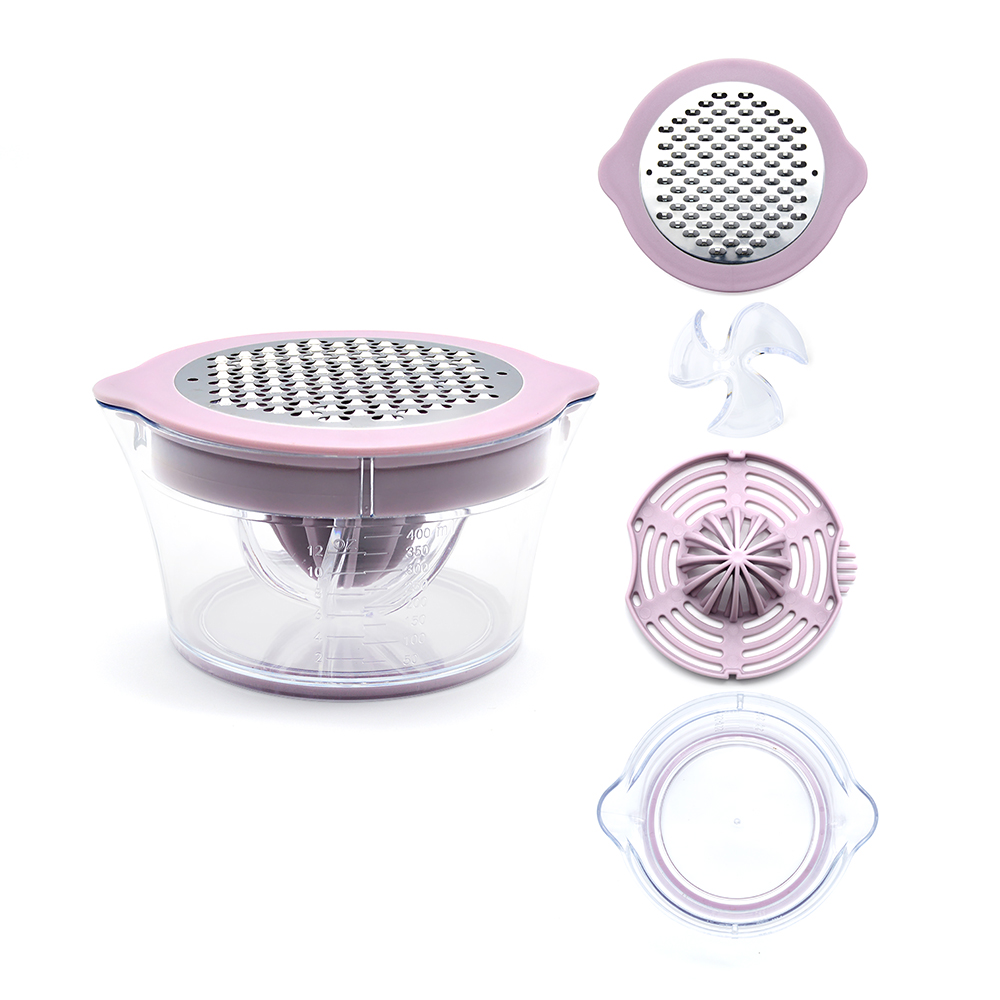
Multi-Function Citrus Juicer: How to Choose and Use It Well
A multi-function citrus juicer is a simple kitchen tool, but the right design can make a noticeable difference in daily food preparation. For anyone who uses lemons, limes, oranges, or grapefruit in cooking, baking, beverages, or sauces, a dedicated citrus juicer can save time and reduce waste compared with squeezing fruit by hand. The best choice is not always the most complicated one. It is the model that fits the fruit you use most, collects juice cleanly, measures accurately, and is easy to wash after use.
This guide explains what to look for, how to use a citrus juicer effectively, where fresh juice works best in recipes, and how to keep the tool ready for repeated use. It is written for home kitchens, small food-service prep areas, and buyers comparing practical kitchenware options.
Key Takeaways
- A multi-function citrus juicer is most useful when it combines efficient pressing, juice collection, measuring marks, and controlled pouring.
- Choose the size and design based on the citrus fruits you use most often, not only on appearance.
- Fresh juice is valuable beyond drinking: use it in dressings, marinades, desserts, sauces, and cocktails.
- Clean the reamer and collection container soon after use to prevent dried pulp and lingering odors.
- If sourcing for retail, hospitality, or wholesale, ask suppliers clear questions about materials, packaging, care instructions, and available product details.
What Makes a Citrus Juicer Multi-Function?
In a practical sense, “multi-function” does not have to mean electric motors or complex attachments. A citrus juicer can be multi-function when it performs several kitchen tasks well: extracting juice, separating some pulp or seeds, collecting liquid, helping measure recipe quantities, and allowing clean pouring into another container.
Many modern citrus juicers are designed around a central reamer that presses into the cut surface of the fruit. The reamer helps break the membranes and release juice while the container below catches the liquid. Some models include clear collection cups with measuring marks, which are useful when a recipe calls for a specific quantity such as a quarter cup. A shaped spout can help pour juice into a glass, bowl, shaker, or marinade bag without dripping across the counter.
These small details matter because citrus juice is often used in measured amounts. Too little lemon juice can leave a dressing flat; too much lime can overpower a drink or salsa. A well-designed manual juicer gives more control without needing a separate measuring cup for every task.
How to Choose the Right Citrus Juicer
Before buying, think about how the juicer will be used most often. A person who squeezes half a lemon for tea has different needs from someone preparing orange juice for breakfast or fresh lime juice for a restaurant-style margarita mix. The following comparison can help narrow the decision.
| Selection point | What to check | Why it matters |
|---|---|---|
| Fruit compatibility | Whether the reamer shape suits lemons, limes, oranges, or larger citrus | A poor fit can leave juice in the fruit and require extra effort |
| Collection container | Capacity, transparency, and measuring marks | Helps with recipes and reduces the need for additional tools |
| Pouring control | Spout shape and container balance | Reduces spills when transferring juice |
| Ease of grip | Handle shape, stability, and comfortable pressure angle | Makes repeated squeezing easier, especially for firmer fruit |
| Cleaning method | Number of parts and access to pulp-catching areas | Simpler cleaning encourages frequent use |
| Storage | Overall size and whether parts nest together | Important for compact kitchens and busy prep stations |
If buying for a business, such as a retailer, distributor, promotional brand, or hospitality supplier, request precise product information rather than assuming details. Useful questions include: What materials are used? Are care instructions available? What packaging options are offered? Are measurements printed, molded, or otherwise marked? Can product photos, dimensions, and carton information be supplied? These answers help compare suppliers fairly without relying on vague claims.
Step-by-Step: How to Juice Citrus Efficiently
Using a manual citrus juicer is straightforward, but a few habits improve yield and reduce mess. Start with fruit at room temperature when possible, because cold citrus can be firmer and less willing to release juice. Roll the fruit gently on the counter with your palm before cutting; this can help loosen the internal membranes.
- Wash the citrus fruit, especially if the peel will touch your hands, cutting board, or juicer.
- Cut the fruit in half across the middle, not from stem to end, to expose the segments evenly.
- Place one half cut-side down over the reamer.
- Apply steady downward pressure while twisting the fruit or turning it against the reamer.
- Check the collection container and stop when you have the required amount.
- Pour through the spout into your recipe, glass, shaker, or storage container.
For oranges and grapefruit, you may need to rotate the fruit more than once to reach the outer edges. For small limes, avoid crushing the peel too aggressively, as the peel can release bitter oils. If you want clearer juice, let the pulp settle briefly or strain the juice through a fine sieve after pressing.
Best Uses for Freshly Squeezed Juice
Fresh citrus juice has a brighter aroma than many bottled options and can change the balance of a recipe quickly. A citrus juicer earns its place in the kitchen when it is used for more than breakfast juice.
In savory cooking, lemon juice can finish roasted vegetables, brighten soups, or balance rich sauces. Lime juice works well in salsa, slaws, rice bowls, and seafood dishes. Orange juice can add sweetness and acidity to glazes, pan sauces, or marinades. Grapefruit juice can bring a slightly bitter note to salads and drinks.
For baking, measured fresh juice is useful in cakes, glazes, curds, and frostings. Because acidity affects flavor and sometimes texture, accurate measurement is helpful. In beverages, fresh lime or lemon juice is central to lemonade, limeade, spritzers, iced tea, and many cocktails. A collection container with visible marks can help keep batches consistent.
Care and Cleaning Tips
Citrus juice is acidic, and pulp can dry quickly in small grooves. Clean the juicer soon after use to keep it hygienic and easier to maintain. Disassemble removable parts, such as the reamer and collection cup, if the design allows. Rinse away pulp first, then wash with warm water and mild dish soap. Use a soft brush or sponge around the reamer where fibers may cling.
After washing, rinse thoroughly and allow all parts to dry completely before reassembling or storing. This helps prevent trapped moisture and odors. If the product includes specific care instructions from the manufacturer or supplier, follow those instructions first, especially regarding dishwasher use, heat exposure, and abrasive cleaners.
Sourcing Notes for Retail and Wholesale Buyers
For B2B buyers, a citrus juicer should be evaluated as both a kitchen tool and a retail product. Beyond the basic shape, compare supplier documentation, sample quality, packaging durability, and how clearly product details are communicated. Do not rely only on product names such as “premium” or “multi-function.” Ask for measurable information.
Important sourcing questions include whether the supplier can provide product dimensions, unit weight, packaging specifications, care labels, barcode or label options, and available color or packaging variations. If compliance, food-contact requirements, or market-specific documentation is needed, ask the supplier what documentation is available for your destination market. Avoid assuming certifications or test results unless they are provided and verified.
Practical FAQ
Is a manual citrus juicer better than squeezing by hand?
For frequent use, yes. A manual juicer usually extracts more juice, keeps seeds and pulp more controlled, and gives a cleaner way to measure and pour.
Can one citrus juicer handle lemons, limes, and oranges?
Many can, but performance depends on the size and shape of the reamer. If you often use very small limes or large grapefruit, check whether the design suits those fruits.
How do I avoid bitter juice?
Use steady pressure without grinding the peel too hard. Bitterness can come from peel oils or overworking the white pith, especially with limes and grapefruit.
Should I strain the juice after using a citrus juicer?
It depends on the recipe. Dressings, cocktails, and smooth desserts may benefit from straining, while marinades and casual drinks often work well with some pulp.
What should wholesale buyers confirm before ordering?
Ask about materials, dimensions, packaging, care instructions, available documentation, sample approval, and any customization options. Confirm details in writing before making sourcing decisions.
