




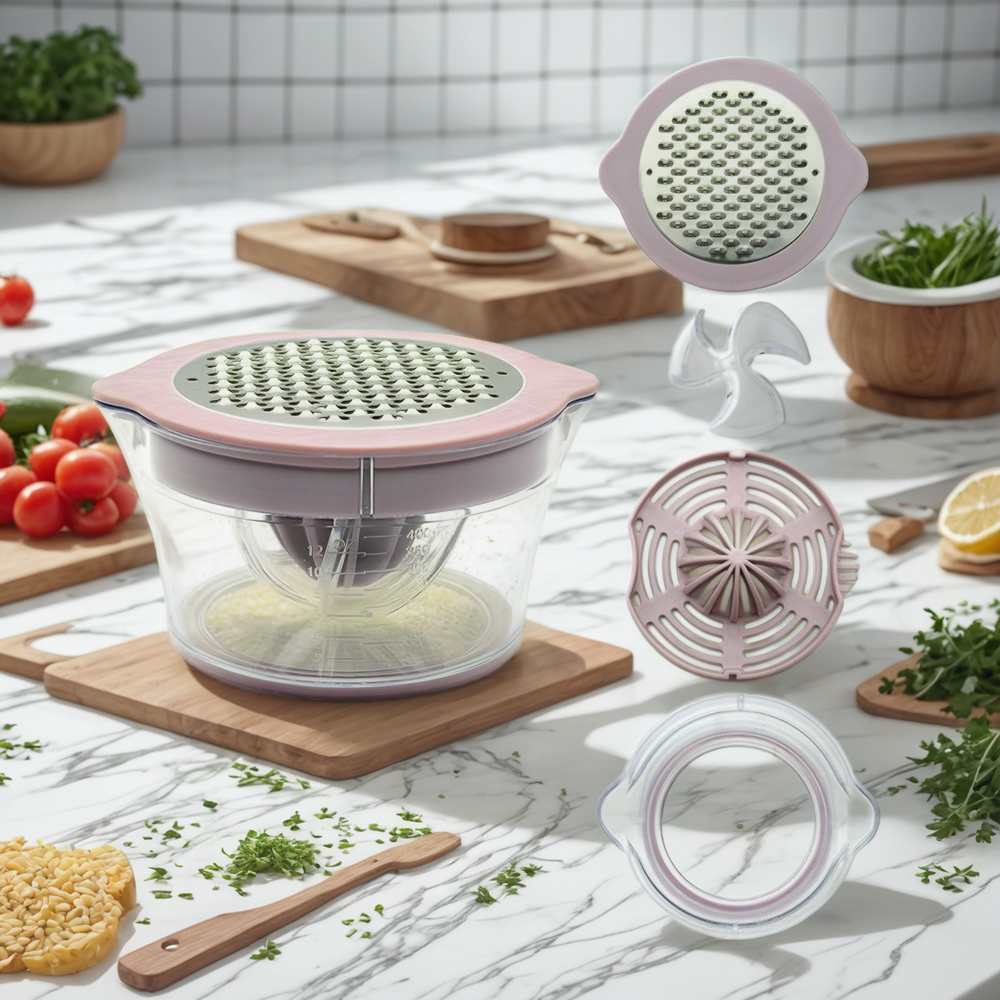
Multifunction Juicer: A Practical Guide to Fresh Citrus
A multifunction juicer can make fresh citrus juice easier without adding a large appliance to the countertop. For many households, the goal is not to process every fruit and vegetable; it is to squeeze lemons, limes, oranges, or grapefruit quickly, measure the juice, pour it cleanly, and wash the tool without effort. In that case, a manual citrus juicer with practical built-in functions may be a better fit than a bulky electric machine.
This guide focuses on how to select and use a multifunction manual juicer for citrus. It avoids unnecessary hype and looks at the details that matter in everyday use: fruit size, grip, seed control, measuring marks, pouring, cleaning, and storage.
Key Takeaways
- A manual multifunction juicer is best suited to citrus, not whole-fruit juicing.
- Useful features may include different reamer sizes, measuring marks, a seed catcher, and a pouring spout.
- Choose based on the fruits you use most often and how much juice you typically prepare.
- Simple cleaning and compact storage are major advantages for daily use.
Understand What You Need From a Juicer
Before choosing a juicer, think about your actual habits. If you only need lemon juice for cooking, lime juice for drinks, or orange juice for breakfast, a dedicated manual citrus juicer is usually enough. If you want to extract juice from carrots, apples, leafy greens, or hard produce, you will need a different type of machine.
A multifunction manual citrus juicer is useful because it combines several small tasks in one tool. Depending on the design, it may help you squeeze, strain seeds, measure, and pour from the same container. That reduces the need for separate bowls, strainers, and measuring cups.
Features to Check Before Buying
Not every manual juicer offers the same functions, so it is worth checking the product details carefully. Look for features that match the way you cook or prepare drinks rather than choosing the most complicated option.
| Feature to Check | Why It Matters | Practical Buying Tip |
|---|---|---|
| Reamer size | Different citrus fruits need different contact areas. | Look for a design that can handle small limes and larger oranges or grapefruit if you use both. |
| Measuring marks | Recipes often require a specific amount of juice. | Check whether the markings are easy to read when juice is inside the container. |
| Seed control | Seeds can affect texture and convenience. | Ask whether the juicer includes a strainer or seed-catching design. |
| Pouring spout | Clean pouring reduces waste and mess. | Look at the spout shape and whether it suits glasses, bowls, or storage containers. |
| Cleaning access | Pulp dries quickly and can be hard to remove. | Choose a design with parts that are easy to rinse immediately after use. |
How to Use a Manual Citrus Juicer Well
Good technique improves the amount of juice you get and makes the process smoother. Start by washing the fruit, especially if you will handle the peel while squeezing. Roll the citrus gently on the counter with your palm to help loosen the juice inside. Cut the fruit across the middle, not from end to end, so the segments press evenly against the reamer.
- Select the reamer or dome size that best fits the fruit half.
- Place the cut side of the fruit over the reamer.
- Press downward with steady pressure while twisting.
- Pause to remove excess seeds or pulp if the strainer becomes crowded.
- Use the measuring marks to check the quantity before pouring.
For lemons and limes, firm pressure is usually enough. For larger oranges or grapefruit, work around the fruit in small rotations so the reamer reaches more of the pulp. Avoid crushing the peel too aggressively, as this can release bitterness from the pith.
When a Manual Juicer Is Better Than an Electric One
Electric juicers can be helpful when you prepare large quantities or use hard produce. However, a manual citrus juicer has clear advantages for smaller, regular tasks. It is quiet, does not require electricity, and is easy to take out for quick use. It also avoids the setup and cleaning time that can discourage people from making fresh juice often.
A compact manual juicer is especially practical for kitchens with limited storage. It can also be useful for picnics, travel, small offices, or beverage stations where electricity is not convenient. The trade-off is that you provide the effort by hand, so it is not ideal for preparing many servings at once.
Cleaning and Care Tips
Citrus juice is acidic and pulp can dry onto surfaces, so cleaning soon after use is important. Rinse the reamer, strainer area, and container under running water immediately. Use a soft brush if pulp is caught in grooves or around seed-catching areas. If the product information allows dishwasher use, follow the supplier's instructions; if not, hand washing is the safer choice.
To reduce staining or lingering odor, do not leave juice sitting in the container for long periods. Dry all parts before storage to prevent moisture from collecting in corners. If the juicer has measurement markings, avoid abrasive pads that could wear them down over time.
Common Mistakes to Avoid
- Buying too large or too small: Match the juicer to the citrus you use most often.
- Ignoring measurement visibility: Markings are only helpful if you can read them easily.
- Letting pulp dry: A quick rinse right after use saves cleaning time later.
- Expecting whole-fruit performance: A manual citrus juicer is designed for citrus, not hard fruits or vegetables.
- Over-pressing the peel: Excessive force can add bitter notes to the juice.
Best Uses in the Kitchen
A multifunction citrus juicer is not only for breakfast juice. It is useful for salad dressings, marinades, sauces, cocktails, tea, lemonade, baking, and seasoning cooked dishes. Measuring marks help when a recipe calls for a specific amount, while a spout makes it easier to pour directly into a pan, glass, or mixing bowl.
If you prepare citrus frequently, keeping the juicer within easy reach can make it part of your routine. A simple manual tool often gets used more than a complex appliance stored in a cabinet.
FAQ
Can a manual multifunction juicer handle all fruits?
No. It is mainly intended for citrus fruits such as lemons, limes, oranges, and grapefruit. For apples, carrots, or leafy greens, use a juicer designed for those ingredients.
Is a seed catcher necessary?
It is not mandatory, but it is helpful if you want smoother juice or plan to pour directly into drinks and recipes without using a separate strainer.
How much juice can I make at one time?
That depends on the container size and the fruit. Check the product's capacity information before buying if you regularly prepare more than one or two servings.
What should I ask before purchasing online?
Ask about the juicer's dimensions, capacity, cleaning instructions, material information, measurement units, and whether replacement parts are available if the design includes removable components.
Is a manual juicer eco-friendly?
It does not require electricity during use, which is one practical advantage. Overall environmental impact also depends on materials, durability, packaging, and how long the product is used.
