




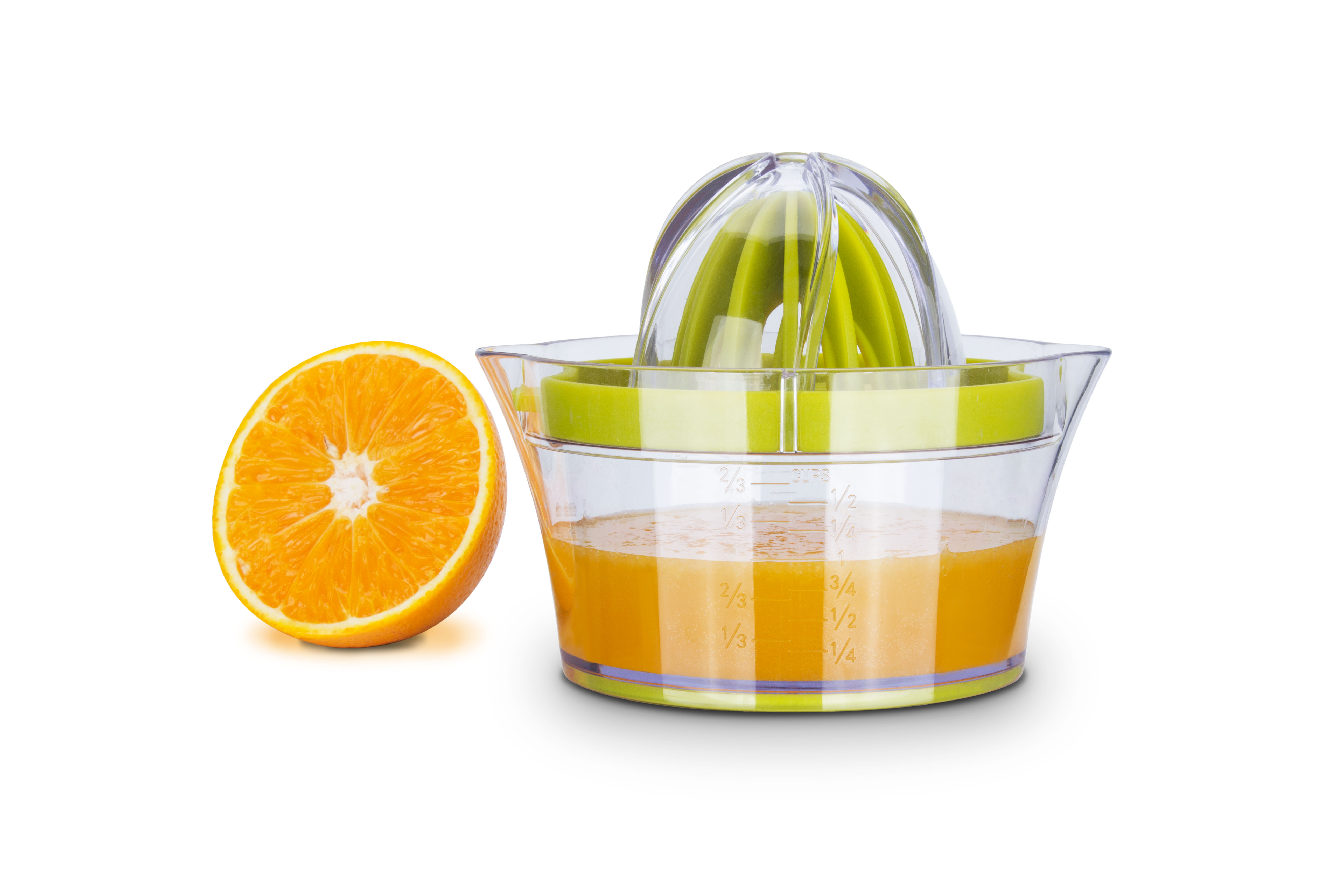
Multi-Function Juicer: A Practical Guide for Easier Citrus Prep
A multi-function juicer is most useful when it solves several small kitchen tasks without adding complexity. For citrus fruits such as lemons, limes and oranges, a manual juicer with a ridged reamer, removable strainer and measuring container can help you extract juice, separate seeds, control pulp and measure liquid for recipes in one compact tool.
This guide explains how this type of juicer works, what to look for before buying one, and how to use and clean it properly. It is written for everyday kitchen users who want fresh citrus juice for drinks, dressings, baking, marinades and meal prep without relying on an electric appliance.
Key Takeaways
- A manual multi-function citrus juicer commonly combines a reamer, strainer and measuring container.
- The reamer extracts juice, the strainer catches seeds, and the container helps measure the liquid.
- Clear measurement markings are helpful for recipes that require a specific amount of juice.
- Removable parts make rinsing and hand washing easier after use.
- Before buying, check size, stability, markings, pulp control and cleaning requirements.
What Makes a Juicer “Multi-Function”?
In this context, multi-function does not mean complicated. It means the tool performs more than one practical task. A typical manual citrus juicer may include a dome-shaped reamer with ridges, a strainer underneath and a base that works as a measuring container. Each part has a clear purpose.
The reamer presses into the cut surface of the fruit and helps release juice as you twist. The removable strainer catches seeds and some pulp before the juice reaches the container. The container then holds the juice and may include visible markings so you can measure the amount without transferring it to a separate measuring cup.
This design is especially useful when a recipe calls for a measured quantity of lemon or lime juice. Instead of squeezing fruit over a bowl, removing seeds and then measuring the juice separately, you can complete those steps with one tool.
Main Parts and Their Jobs
Understanding the parts helps you use the juicer more efficiently and compare options before purchasing. While designs vary, many manual multi-function juicers share the same basic structure.
| Part | Purpose | What to Check |
|---|---|---|
| Ridged reamer | Extracts juice from citrus halves by pressing and twisting | Shape, comfort, and whether it suits lemons, limes or oranges |
| Removable strainer | Catches seeds and helps manage pulp | Hole size, ease of removal, and whether pulp can pass as desired |
| Measuring container | Collects juice and shows quantity | Clear markings, capacity, pouring control and stability |
| Base or handle area | Supports the tool during use | Grip, balance and whether it stays steady on the counter |
| Detachable components | Make cleaning and storage easier | How many parts must be washed and how easily they reassemble |
How to Extract Fresh Citrus Juice
Using a manual citrus juicer is simple, but a few small habits can improve yield and reduce mess. Start by washing the fruit, even if you do not plan to use the peel. Cut the citrus fruit in half across the middle, not from stem to end, so the fruit sections open more evenly over the reamer.
- Place the juicer on a stable, flat surface.
- Set the strainer and reamer securely over the measuring container.
- Put one citrus half cut-side down onto the reamer.
- Press firmly and twist the fruit back and forth until the juice slows.
- Lift the fruit and check whether any remaining sections need a final twist.
- Remove seeds or excess pulp from the strainer before juicing more fruit.
For smaller limes or lemons, steady pressure is usually enough. For larger oranges, you may need to rotate the fruit angle to reach all sections. Avoid forcing the peel too aggressively into the reamer, as this can release more bitter flavor from the pith.
Using the Measuring Container for Recipes
The measuring function is one of the most practical advantages of this type of juicer. Fresh citrus juice is often used in precise amounts: a tablespoon for a dressing, a quarter cup for a marinade, or a measured portion for a beverage. A container with clear markings lets you see the amount as you juice.
This can reduce extra dishes and help prevent over-squeezing. If your recipe needs only a small amount, stop when the juice reaches the correct marking and save the remaining fruit for later. If you are making a dressing or sauce, you may also be able to add other liquid ingredients directly to the container, depending on its size and shape.
When choosing a juicer, inspect the markings carefully. They should be easy to read in normal kitchen lighting. If the product information does not state the measurement units or capacity clearly, treat that as a question to ask the seller before buying.
How to Manage Pulp and Seeds
Texture preferences vary. Some people want a smooth juice with very little pulp, while others prefer a more natural texture. The removable strainer is important because it catches seeds and controls how much pulp flows into the container.
If the strainer has larger holes, more pulp may pass through. Smaller holes may create a smoother juice but can clog faster, especially with oranges. If the design allows the strainer to be removed after juicing, you can also spoon a small amount of pulp back into the juice if you want more texture.
For recipes such as lemon vinaigrette, seed removal is more important than complete pulp removal. For clear drinks, you may want to pour the juice through a finer sieve after using the juicer. A multi-function juicer handles the first stage well, but it does not always replace specialty strainers for very fine filtering.
Cleaning and Storage Tips
Citrus juice is acidic and can become sticky as it dries, so cleaning the juicer soon after use is the best habit. Because many manual juicers have removable parts, cleaning is usually straightforward. Separate the reamer, strainer and container, then rinse away pulp and seeds under running water.
Use mild dish soap and a soft sponge for routine washing. Pay attention to the grooves of the reamer and the holes of the strainer, where pulp can remain. Let all parts dry completely before reassembling or storing to reduce trapped moisture.
For storage, the compact size of a manual juicer is an advantage. If the parts nest together, keep them assembled so they are easy to find. If the reamer or strainer can shift inside a drawer, store the pieces in a small bin or designated kitchen organizer to prevent scratches and clutter.
How to Choose the Right Multi-Function Juicer
Before purchasing, think about the fruit you use most often and the way you cook. A person who juices a few lemons for weekly meal prep may need a different size than someone who prepares orange juice regularly. Since product details vary, check the listing or ask the supplier for clarification rather than assuming features.
- Fruit compatibility: Is the reamer size suitable for lemons, limes, oranges or a mix of citrus fruits?
- Measurement clarity: Are the container markings easy to read, and what units are shown?
- Capacity: Will the container hold enough juice for your usual recipes?
- Pulp control: Does the strainer design match your preferred juice texture?
- Cleaning method: Are the parts removable, and what cleaning instructions does the seller provide?
- Storage: Does the design fit your drawer, cabinet or countertop space?
If you are comparing products online, look for clear photos of the reamer, strainer and measurement markings. If the material, temperature limits or dishwasher guidance are important to you, ask for the manufacturer’s instructions before making a decision.
FAQ
Can a manual multi-function juicer be used for all fruits?
It is mainly intended for citrus fruits such as lemons, limes and oranges. It is not designed to process hard fruits, leafy vegetables or whole produce like an electric juicer.
Does the strainer remove all pulp?
Not always. A strainer usually catches seeds and some pulp, but the final texture depends on the size of the holes and the fruit. Use an additional fine sieve if you need very smooth juice.
Why choose a juicer with a measuring container?
It saves a step when following recipes. You can juice directly into the container and stop when you reach the required amount, which reduces extra measuring tools and cleanup.
How should I clean the juicer after use?
Rinse the parts soon after juicing, remove pulp from the strainer, and wash with mild soap. Dry the parts fully before storage.
What should I ask before buying?
Ask about container capacity, measurement units, cleaning instructions, material information and whether replacement or care guidance is available. These details help you choose a juicer that fits your kitchen routine.
