








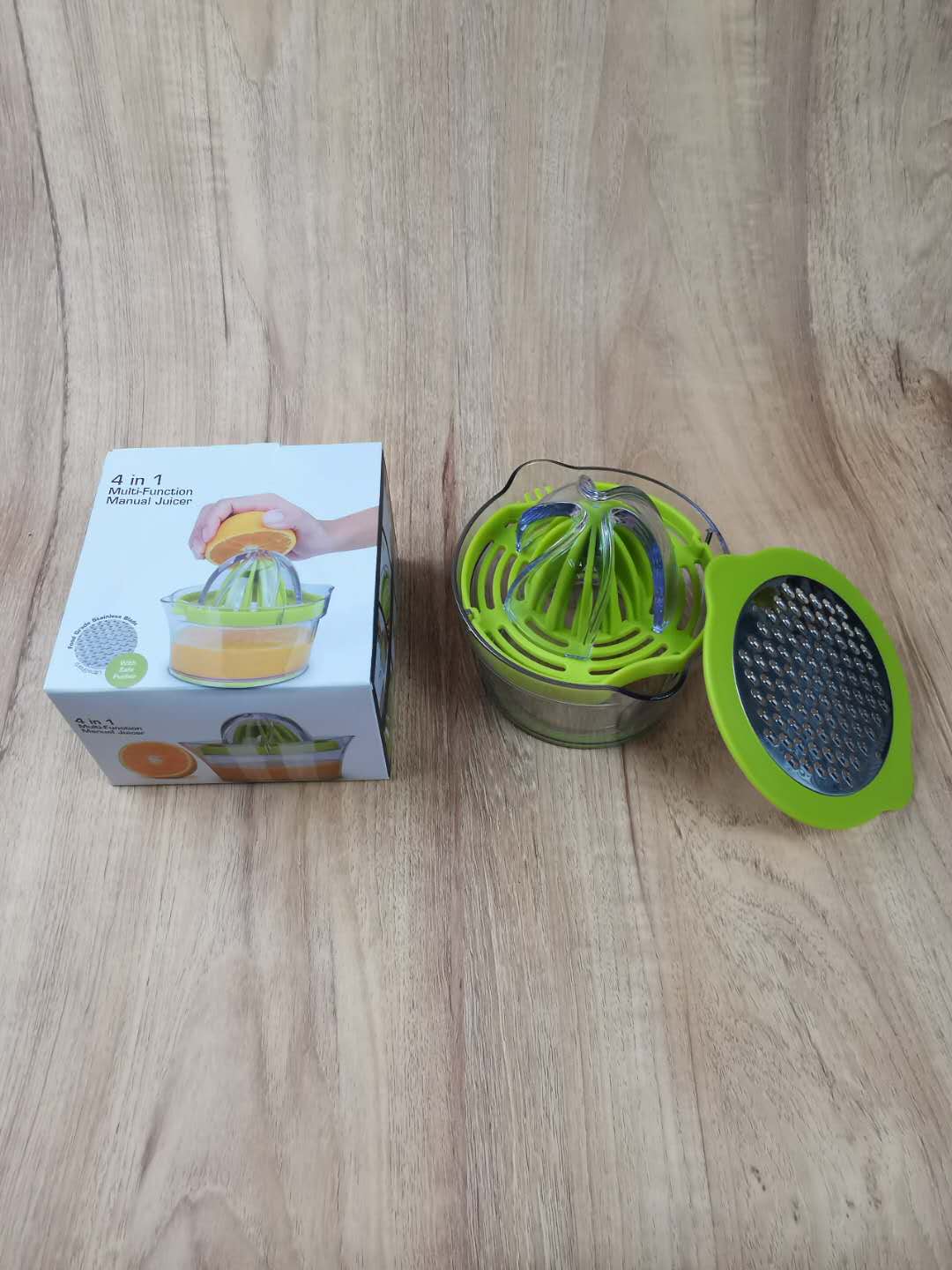
Juicer with Multiple Functions: A Practical Guide for Everyday Kitchens
A juicer with multiple functions can be more useful than a single-purpose tool, especially in a compact kitchen where every item needs to earn its space. The original idea is simple: extract juice, then make the next steps easier. Depending on the design, a multifunction juicer may help with measuring, mixing, pouring, or serving. Some electric models combine juicing and blending, while many manual citrus juicers focus on efficient extraction with added everyday conveniences.
This guide is written for home cooks, small food-prep teams, and buyers comparing practical kitchen tools. It explains what to look for, how to use a manual citrus juicer well, and how to keep it clean without making unsupported claims about any specific product model.
Key Takeaways
- A multifunction juicer should match the fruit and tasks you use most often, not just offer the longest feature list.
- Manual citrus juicers are best suited to lemons, limes, oranges, and similar fruits; electric units may be better for larger volumes.
- Built-in measuring, mixing, and pouring functions can reduce extra dishes during cooking, baking, and drink preparation.
- Good cleaning habits matter because citrus pulp and juice residue can dry quickly and affect hygiene.
- Before buying, check the actual product details, including size, parts, cleaning method, and any care restrictions.
What Makes a Juicer “Multifunction”?
A standard juicer has one main job: separating juice from the fruit. A multifunction juicer adds practical steps around that job. For a manual citrus juicer, this might include a reamer for extraction, a container for collecting juice, measurement markings, a spout for pouring, or a shape that allows quick mixing of dressings and marinades. These functions are not complicated, but they can make daily prep faster.
For example, if a recipe calls for a measured amount of lemon juice, a juicer with a measuring cup can help you juice and measure in the same container. If you are making a vinaigrette, the same container may allow you to add oil, salt, and seasoning, then mix before pouring. The value is not only in juicing; it is in reducing the number of utensils needed for small tasks.
Manual Citrus Juicer or Electric Juicer?
The right choice depends on your habits. A manual citrus juicer is simple, quiet, easy to store, and suitable for small quantities. It works well when you need fresh lemon juice for fish, lime juice for sauces, or orange juice for one or two servings. It also gives the user direct control over pressure and pulp extraction.
An electric juicer may be more appropriate if you process larger quantities, juice firm produce, or prepare drinks frequently for several people. Some advanced electric models combine juicing and blending, but they usually take up more counter space and may require more detailed cleaning. Before choosing, think about your usual workload rather than rare occasions.
Comparison Checklist for Choosing a Multifunction Juicer
| Selection point | Why it matters | What to check before buying |
|---|---|---|
| Fruit type | Citrus juicers are designed mainly for citrus, while other juicers may handle different produce. | Confirm whether the design fits lemons, limes, oranges, or the fruits you use most. |
| Capacity | A small cup is convenient for recipes; a larger container helps when making drinks. | Check the stated capacity and whether measurement markings are easy to read. |
| Added functions | Measuring, mixing, and pouring can reduce prep time and extra dishes. | Look for practical features you will actually use, not decorative extras. |
| Ease of cleaning | Pulp and juice residue can collect around the reamer and strainer areas. | Ask whether parts separate and how the item should be washed. |
| Storage | Compact tools are easier to keep accessible for daily use. | Compare height, width, and whether parts nest together. |
| Durability expectations | Frequent use requires stable construction and comfortable handling. | Review material information supplied by the seller and any care instructions. |
How to Get Better Juice from a Manual Citrus Juicer
Manual juicing is straightforward, but a few small habits improve results. Start with fruit at room temperature when possible, as cold citrus can be firmer and harder to press. Roll the fruit gently on the countertop before cutting; this can help loosen the interior segments. Cut the fruit cleanly in half and place the cut side against the reamer.
- Hold the juicer steady on a flat surface.
- Press the fruit downward with firm, even pressure.
- Twist the fruit back and forth over the reamer to release juice.
- Pause before over-pressing, especially if too much bitterness from the peel may be released.
- Use the measurement markings, if provided, to check the amount before adding juice to a recipe.
If the juicer has a built-in strainer or pulp control, empty it as needed during larger batches. This keeps juice flowing and prevents pulp from blocking the collection area.
Everyday Uses Beyond a Glass of Juice
A multifunction juicer is useful for more than fresh orange juice. In cooking, citrus juice can brighten sauces, balance rich dishes, and help season vegetables. In baking, measured lemon or orange juice may be part of a glaze, cake, or filling. For drinks, lime or lemon juice is often needed in small, accurate quantities.
If your juicer includes a collection cup and pouring spout, it can also help with small-batch mixing. You might combine lemon juice, olive oil, mustard, and seasoning for a quick salad dressing. You can mix lime juice with honey and warm water for a simple beverage. You can also prepare marinades by measuring citrus juice first, then adding herbs, oil, and spices in the same container.
Cleaning and Care After Use
Citrus juice is acidic and pulp dries quickly, so cleaning soon after use is the best habit. Disassemble removable parts if the design allows it. Rinse away seeds and pulp first, then wash with warm soapy water unless the product instructions say otherwise. Pay attention to grooves around the reamer, strainer holes, and the pouring lip.
After washing, rinse thoroughly and allow all parts to dry fully before storage. Storing a juicer while damp can create unwanted odors or residue. If the supplier provides dishwasher guidance, follow it carefully; do not assume every manual juicer is dishwasher safe. Avoid abrasive pads if they could scratch the surface or damage measurement markings.
Questions to Ask Before Purchasing
Because multifunction juicers vary by design, ask specific questions before you buy. What fruits is the juicer intended for? Does it include measurement markings, and are they molded, printed, or otherwise applied? Can the parts be separated for cleaning? Is there a strainer for pulp and seeds? What care method does the supplier recommend? If you are buying for a café, catering setup, or resale assortment, also ask for packaging details, available colors, replacement part information, and any product documentation the supplier can provide.
These questions help prevent mismatched expectations. A compact manual citrus juicer can be excellent for daily lemon and lime prep, but it should not be expected to perform like a high-volume electric machine.
FAQ
Can a manual multifunction juicer replace an electric juicer?
It can replace one for small citrus tasks, but not for every use. If you regularly juice large quantities or non-citrus produce, an electric model may be more suitable.
What fruits work best with a manual citrus juicer?
Manual citrus juicers are generally intended for lemons, limes, oranges, and similar citrus fruits. Always check the product description for the intended use.
Why choose a juicer with measurement markings?
Measurement markings help when following recipes for dressings, marinades, baking, and drinks. They can reduce the need for a separate measuring cup.
How should I clean pulp from small openings?
Rinse immediately after use and wash with warm soapy water. A soft brush can help remove pulp from grooves or strainer holes if the product surface allows it.
Is a multifunction juicer good for small kitchens?
Yes, if the functions match your routine. A compact tool that juices, measures, mixes, and pours can save drawer space and reduce cleanup for quick prep tasks.
