




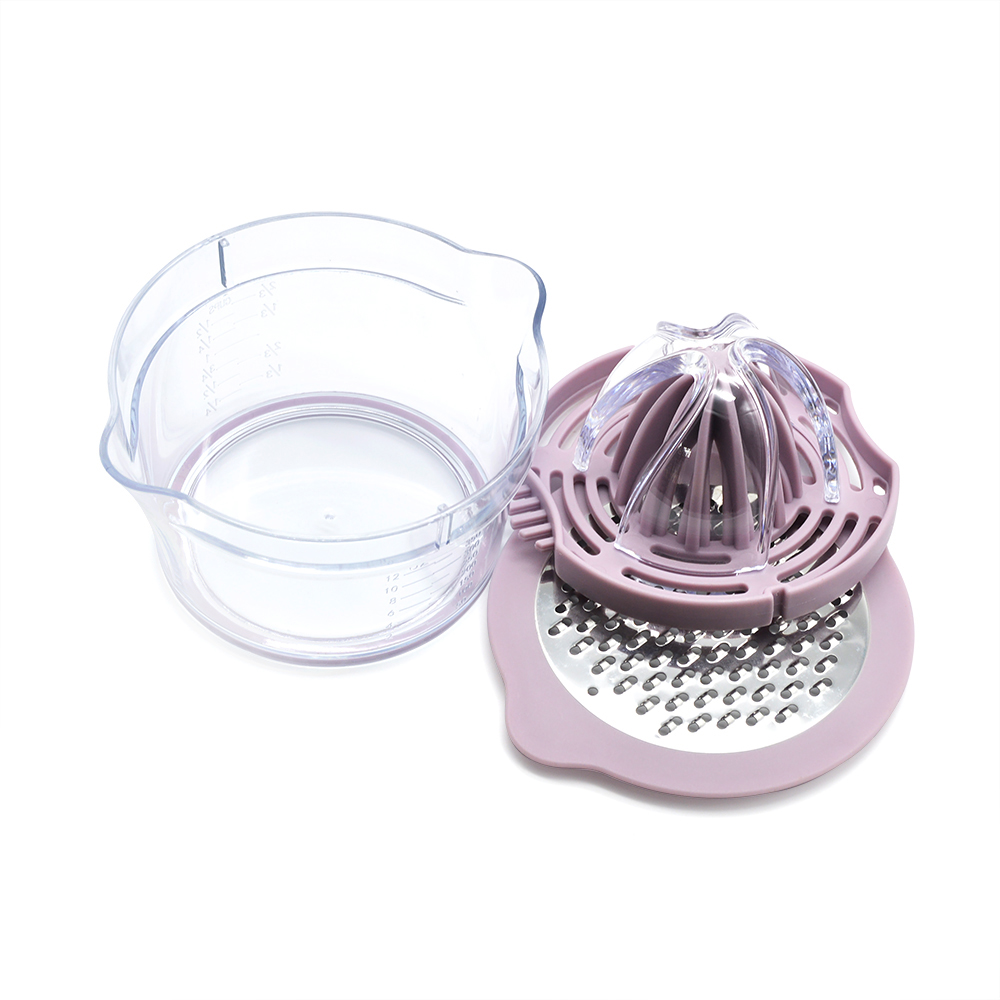
Multifunction Juicer: A Practical Guide to Fresh Citrus at Home
A multifunction juicer can be one of the simplest tools in the kitchen, especially if your main goal is fresh citrus juice without setting up an electric appliance. For breakfast orange juice, lemon juice for marinades, lime juice for drinks, or grapefruit juice in small batches, a well-designed manual citrus juicer gives you control, keeps cleanup short, and takes little storage space.
The original product concept focuses on a manual juicer with a transparent measuring cup, a reamer that attaches to the container, and design details intended to make pouring and cleaning easier. This guide explains how to evaluate that type of juicer, how to get better extraction from different citrus fruits, and how to care for it so it stays practical for daily use.
Key Takeaways
- A manual multifunction juicer is best for citrus fruits such as oranges, lemons, limes, and grapefruit.
- A transparent measuring cup helps when recipes call for a specific amount of juice.
- Different reamer shapes or sizes can improve extraction from both small and large citrus fruits.
- A controlled pouring spout and easy disassembly reduce mess and cleaning time.
- For non-citrus recipes, a blender or electric juicer may be more suitable than a manual citrus tool.
What a Multifunction Manual Juicer Does Best
A manual citrus juicer is designed for a specific job: pressing juice from halved citrus fruit. The reamer breaks the fruit segments, the container catches the juice, and the measuring markings help you see how much you have collected. This is useful when you need a quarter cup of lemon juice for a dressing, a measured amount of lime juice for a recipe, or enough orange juice for one or two servings.
The “multifunction” value comes from small but useful features rather than from complicated technology. A dual-purpose reamer can adapt to fruit size. A measuring cup reduces the need for an additional jug. A pour spout helps transfer juice to a glass, pan, cocktail shaker, or storage container. If the parts separate easily, the juicer can be rinsed soon after use before pulp dries onto the surface.
How to Choose the Right Juicer for Citrus Use
Before buying or comparing a manual multifunction juicer, think about how you will use it. Someone who juices one lemon for cooking has different needs from someone who squeezes several oranges each morning. The following checklist can help you evaluate practical features without relying on vague marketing claims.
| Feature to Check | Why It Matters | Questions to Ask |
|---|---|---|
| Transparent measuring cup | Lets you monitor juice quantity while extracting | Are the markings easy to read from the side? |
| Reamer size and shape | Affects how well it works with lemons, limes, oranges, and grapefruit | Does the reamer suit both small and large citrus? |
| Stable container | Helps reduce slipping while pressing and rotating fruit | Is the base comfortable to hold on the counter? |
| Pouring spout | Makes transfer cleaner and reduces drips | Can juice be poured without pulp blocking the spout? |
| Easy disassembly | Makes rinsing and drying faster after use | Can the reamer be removed without force? |
| Compact storage | Important for small kitchens, cafés, bars, or prep stations | Will it fit in a drawer or small cabinet? |
Using the Reamer for Different Citrus Fruits
To get the best result, match the fruit to the reamer surface. Larger citrus fruits such as oranges and grapefruit usually work better on a broader dome because more of the fruit surface contacts the ridges. Smaller fruits such as lemons and limes benefit from sharper, more focused ridges that can reach into tighter segments.
Cut the fruit across the middle, not from stem to end. Place the cut side over the reamer, press down steadily, and rotate the fruit. Avoid crushing with excessive force. A steady press-and-turn motion usually extracts juice more efficiently and helps keep the fruit half from slipping. If the fruit is very firm, rolling it on the counter for a few seconds before cutting can help loosen the juice inside.
Tips for Cleaner Pouring and Better Measurement
One advantage of a juicer with a transparent measuring cup is that you can stop when you reach the amount needed. This is especially helpful for baking, salad dressings, marinades, sauces, and drinks where acidity matters. Instead of squeezing into one bowl and measuring in another, you can work directly in the juicer cup.
For cleaner pouring, let the pulp settle for a moment before transferring the juice. If the spout is designed for controlled flow, pour slowly rather than tipping the cup sharply. This reduces splashing and makes it easier to pour into narrow openings such as a bottle, shaker, or small saucepan. If you prefer less pulp, strain the juice separately before adding it to a recipe.
When a Manual Juicer Is Better Than an Electric Option
A manual citrus juicer is not meant to replace every juicing appliance. It is best when the job is quick, quiet, and citrus-focused. There is no motor to plug in, no large feed tube to wash, and no complex assembly. This makes it useful for small kitchens, occasional juicing, cooking prep, and tabletop use.
An electric juicer or juicer-blender combination may be better if you plan to process apples, carrots, leafy greens, or large batches. For pure citrus, however, a dedicated manual tool often provides enough extraction with less setup. The choice depends on what you juice most often, how much juice you need, and how much cleaning you are willing to do after each use.
Cleaning and Maintenance After Each Use
Citrus juice contains natural acids and sugars, so it is best to clean the juicer soon after use. Remove the reamer from the container, rinse away pulp, and wash the parts with warm water and mild dish soap. Pay attention to ridges on the reamer, where pulp can cling. Dry the parts before storage to reduce odors and keep the measuring cup clear.
- Separate the reamer from the cup after juicing.
- Rinse both parts immediately to remove pulp and seeds.
- Wash gently with dish soap and a soft sponge.
- Check the spout area for trapped pulp.
- Dry fully before placing the juicer in a drawer or cabinet.
If the product instructions specify dishwasher compatibility, follow those instructions. If no guidance is available, hand washing is the safer default for preserving markings, fit, and clarity over time.
Storage and Everyday Kitchen Use
A lightweight, compact juicer is easy to keep within reach. If you use citrus often, store it near cutting boards, knives, or drink-making tools. For occasional use, keep the reamer nested with the cup so the parts do not get separated. In a small kitchen, compact storage is one of the strongest reasons to choose a manual juicer instead of a larger electric appliance.
Beyond drinks, fresh citrus juice can be used in vinaigrettes, fish dishes, marinades, fruit salads, glazes, tea, and sparkling water. Having a simple juicer ready can make it easier to use fresh juice instead of bottled alternatives when flavor matters.
FAQ
Can this type of juicer be used for grapefruit?
Yes, a manual citrus juicer with a larger reamer dome can be suitable for grapefruit. Because grapefruit is larger, choose a juicer with enough cup capacity and a stable base.
Is a manual juicer good for limes?
Yes. Limes are small and firm, so a reamer with defined ridges is helpful. Roll the lime before cutting and press with steady pressure while rotating.
Does a measuring cup really matter?
It is useful if you cook or mix drinks by recipe. A transparent measuring cup lets you see the amount of juice collected without using a separate measuring tool.
How do I reduce mess when pouring?
Use the spout slowly and avoid overfilling the cup. Let heavy pulp settle before pouring, or strain the juice if you need a smoother result.
Can it juice vegetables or non-citrus fruits?
A manual citrus juicer is mainly for citrus. For hard produce, leafy greens, or smoothies, consider an electric juicer or blender designed for those ingredients.
