




Kitchen Knife Factory: How to Source Reliable Knife Sets
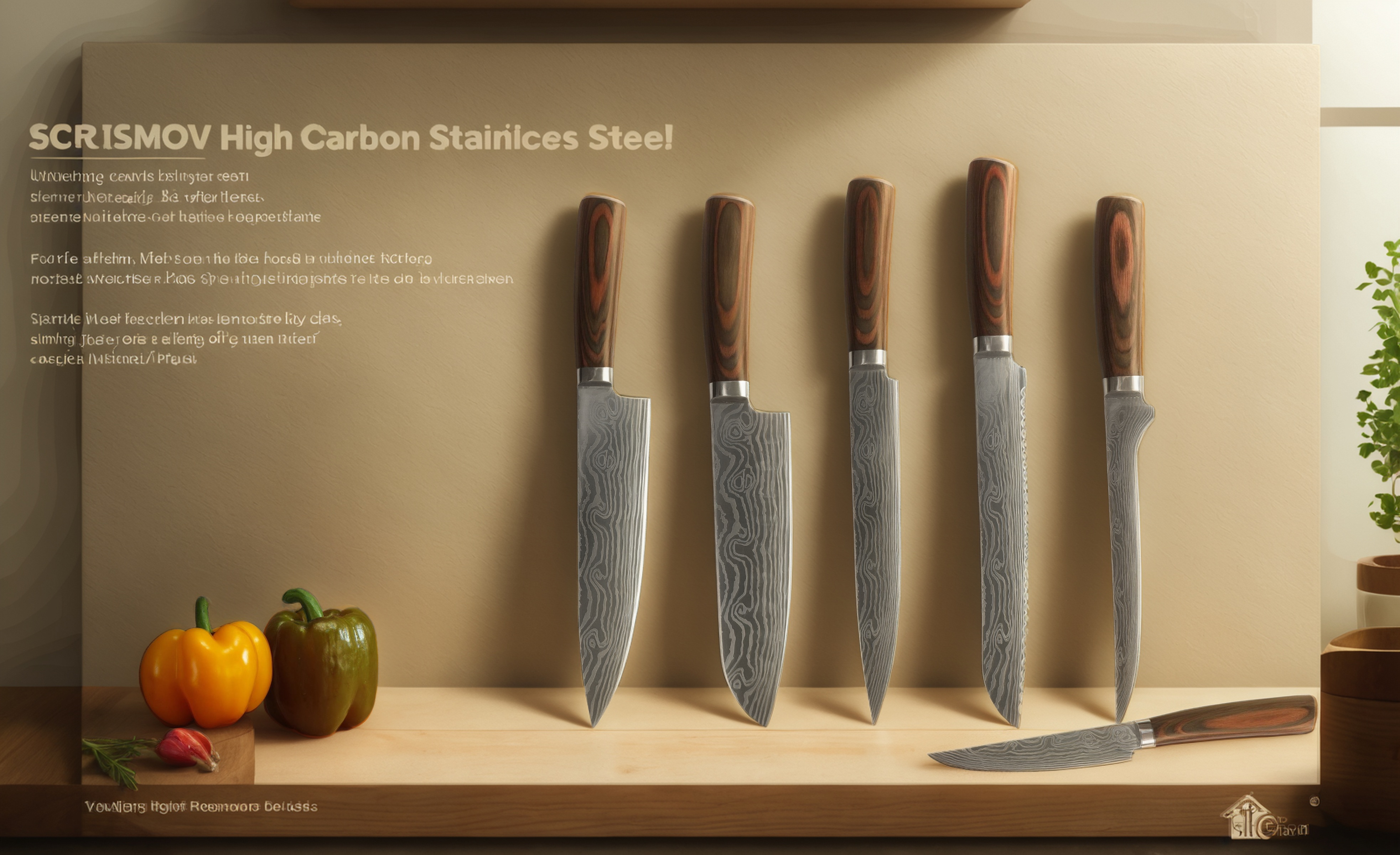
Choosing a kitchen knife factory is not only about finding a sharp blade. For importers, distributors, gift set brands, hospitality buyers, and private-label sellers, the real question is whether a supplier can deliver consistent knives that match the intended market, packaging plan, budget, and quality expectations. The original product description highlights a kitchen knife set made with 5CR15MOV high carbon stainless steel, a Premium Pakka Wood handle, and a Damascus laser pattern. Those details can be useful starting points, but professional sourcing requires a wider review of materials, workmanship, inspection steps, customization options, and after-sales communication.
Key Takeaways
- A reliable kitchen knife factory should be evaluated on consistency, not only sample appearance.
- Material names, handle details, surface patterns, hardness targets, and packaging requirements should be confirmed in writing.
- Ask suppliers what they can verify, what they outsource, and what quality checks are performed before shipment.
- For OEM or wholesale projects, a clear specification sheet helps prevent misunderstandings.
What a Kitchen Knife Factory Actually Does
A kitchen knife factory typically manages several production steps, which may include blade cutting or forging, heat treatment, grinding, polishing, handle assembly, edge sharpening, cleaning, and packing. Some factories perform most steps in-house, while others work with specialized partners for components such as handles, blocks, gift boxes, or surface finishing. Neither model is automatically better; the important issue is process control.
When speaking with a potential supplier, ask how they control blade thickness, edge angle, handle fitting, balance, and final appearance. If the knife set includes a chef's knife, bread knife, cleaver, boning knife, or other common kitchen tools, each item may need different grinding and sharpening standards. A bread knife, for example, requires consistent serrations, while a boning knife needs suitable flexibility and precise shaping for meat preparation.
Material and Feature Review
The source article mentions 5CR15MOV high carbon stainless steel. This is a commonly used knife steel category for kitchen knives, but buyers should still confirm the exact specification with the supplier. Steel names alone do not guarantee performance. Heat treatment, edge geometry, polishing, and quality control all affect how a knife cuts and how long it stays usable.
The original article also refers to a Premium Pakka Wood handle and a Damascus laser pattern. These details should be treated as product features to verify. Ask whether the handle material, finish, color, rivets, and shape can remain consistent across mass production. For a laser pattern, clarify whether it is decorative, how it is applied, and whether it changes care instructions. Avoid assuming that a visual Damascus-style pattern means layered Damascus steel unless the supplier provides clear written confirmation.
Comparison Checklist for Factory Evaluation
| Evaluation Area | What to Check | Questions to Ask |
|---|---|---|
| Blade material | Steel name, thickness, hardness target, corrosion resistance expectations | Can you provide the exact blade specification for production orders? |
| Heat treatment | Consistency between samples and bulk goods | Which steps are controlled in-house, and how is hardness checked? |
| Handle assembly | Fit, finish, grip comfort, gaps, rivet alignment | What tolerances do you use for handle fitting and finishing? |
| Edge quality | Sharpness, burr removal, edge symmetry, serration quality | How do you inspect sharpness before packing? |
| OEM options | Logo, packaging, set configuration, color, handle style | Which customization options affect lead time or tooling cost? |
| Inspection | AQL plan, appearance checks, packing checks, drop test requirements | Can you support third-party inspection before shipment? |
Set Configuration: Match the Knife to the Market
A common mistake in wholesale knife sourcing is choosing a set because it looks complete, rather than because it fits the buyer's customer. A home kitchen set may prioritize a chef's knife, bread knife, utility knife, paring knife, and kitchen shears. A meat preparation set may need a cleaver, boning knife, and slicing knife. A gift set may depend more on presentation, handle appearance, and protective packaging.
Before requesting a quotation, define the target use. Useful internal questions include:
- Will the knives be sold to home cooks, restaurants, supermarkets, online buyers, or promotional channels?
- Is the project focused on everyday affordability, premium appearance, or professional durability?
- Does the set require a knife block, sheath, magnetic box, or compact retail packaging?
- Are there market-specific labeling, language, or care instruction requirements?
- Will the supplier need to support barcode labels, carton marks, or private-label branding?
OEM and Custom Kitchen Knives: Details to Confirm
Custom kitchen knives can include logo engraving, blade pattern changes, handle material changes, packaging design, and different set combinations. However, every customization should be specified clearly. A buyer should not rely only on photos or informal messages. Prepare a written specification sheet that includes blade type, total length, blade length, handle material description, surface finish, logo position, packaging method, and inspection standard.
If you are sourcing from a kitchen knife factory for the first time, ask for pre-production samples before bulk manufacturing. Compare the approved sample against final production. If changes are required, record them with images and measurements. This is especially important for products with decorative details such as a Damascus laser pattern or wood-look handles, where appearance can vary between batches.
Quality Control Before Shipment
Kitchen knives are functional products, so inspection should cover more than cosmetic appearance. Buyers should request checks for blade straightness, handle stability, edge finish, cleanliness, packaging protection, and carton strength. For boxed knife sets, confirm that each item is secured well enough to avoid movement during transportation. If knives include protective covers, verify fit and safety.
It is also wise to ask the supplier how they handle nonconforming goods. Do they rework dull edges? Replace handles with gaps? Repack damaged boxes? Clear answers help buyers understand whether the factory has a practical quality system or only relies on final visual checks.
Care Guidance Buyers Can Pass to Customers
Even well-made knives perform better when users care for them properly. Importers and brand owners should include simple care instructions in packaging or product pages. General guidance may include hand washing, drying promptly after cleaning, avoiding hard surfaces such as glass cutting boards, and using a suitable sharpener when the edge begins to feel dull. If a handle uses wood-based material or a decorative finish, ask the supplier for recommended cleaning instructions and any restrictions before printing claims.
Practical FAQ
What should I ask a kitchen knife factory before ordering?
Ask about blade material, heat treatment control, handle assembly, sharpening inspection, packaging options, OEM services, sample timing, production lead time, and whether third-party inspection is accepted.
Is 5CR15MOV stainless steel suitable for kitchen knives?
The original product description lists 5CR15MOV high carbon stainless steel. Suitability depends on heat treatment, blade geometry, finishing, and the target market, so buyers should confirm the full specification and test samples.
Can a factory make custom kitchen knives with my logo?
Many knife suppliers offer OEM options, but the exact methods, costs, lead times, and limitations should be confirmed. Ask for logo artwork requirements, sample approval steps, and packaging mockups.
How can I reduce sourcing risk?
Use a detailed specification sheet, approve samples, confirm packaging, agree on inspection criteria, and keep all important commercial and technical details in written purchase documents.
Final Sourcing Advice
A good kitchen knife factory should help buyers move from a product idea to a repeatable supply plan. Attractive materials and design details matter, but they should be backed by clear specifications, realistic sampling, and practical quality checks. Whether you are sourcing a standard knife set or custom kitchen knives for an OEM program, the strongest results come from asking specific questions before production begins.
