




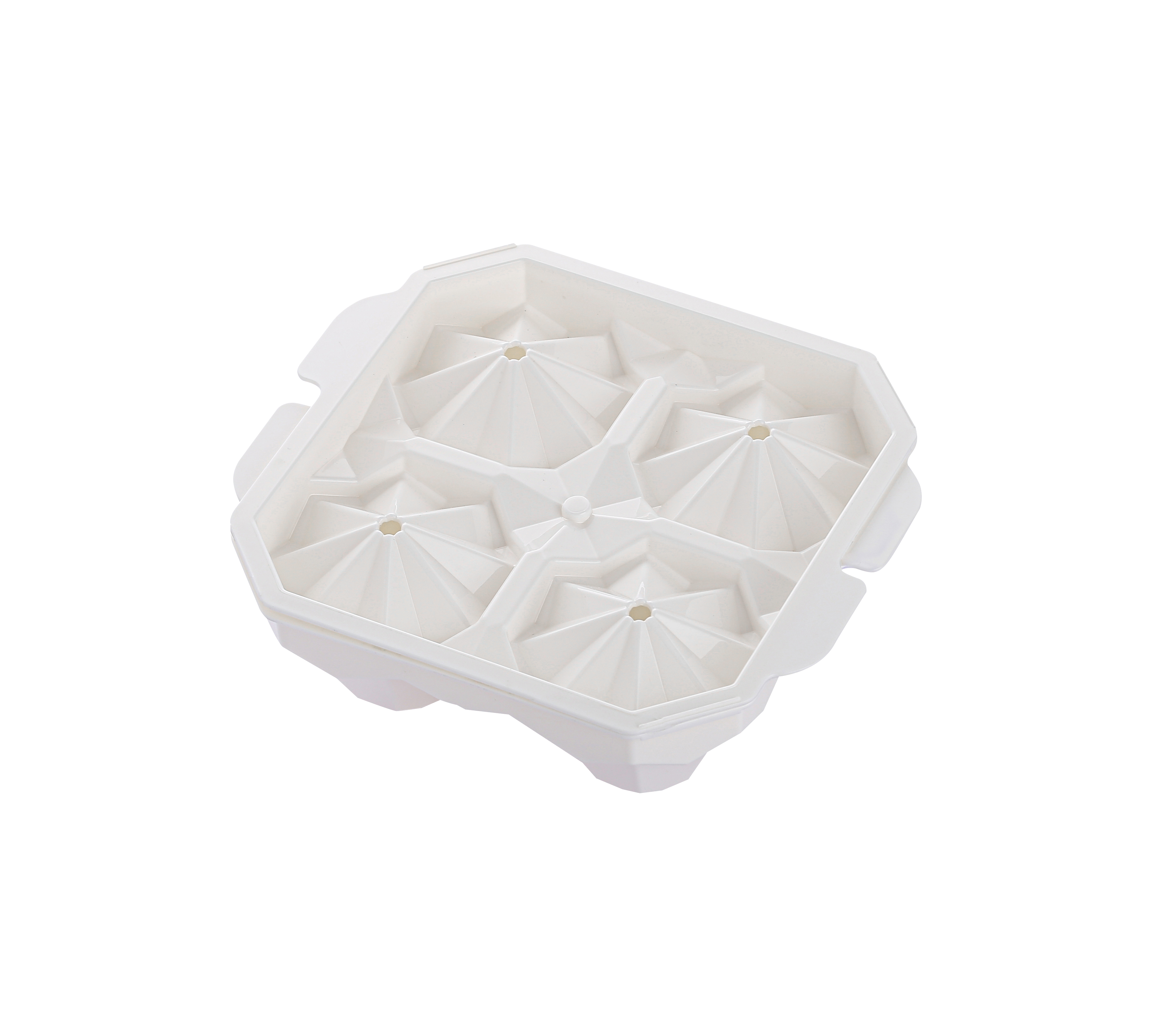
Leading Ice Cube Tray Manufacturer: Custom Molds & Production
Choosing an ice cube tray manufacturer is not only about finding a low unit price. For importers, brand owners, promotional product buyers, and kitchenware wholesalers, the decision affects product safety, mold cost, packaging consistency, delivery planning, and customer reviews. Ice cube trays may look simple, but small differences in material flexibility, cavity shape, wall thickness, lid design, and release performance can determine whether the product feels reliable in daily use.
This guide explains how to evaluate custom ice cube trays, what to ask during ice tray production, and how to compare suppliers without relying on vague marketing claims. The original product concept includes decorative ice molds with geometric patterns, silicone construction, flexible release, and possible uses beyond water ice, such as chocolate or jelly. Buyers should still confirm every commercial and technical detail with the supplier before placing an order.
Key Takeaways
- Define the end use first: home retail, barware, events, promotional gifts, or food preparation.
- For custom molds, confirm design feasibility, tooling cost, sampling process, and ownership of mold drawings.
- Ask suppliers to verify material, food-contact suitability, packaging options, and quality inspection steps.
- Do not approve mass production until a sample has been tested for filling, freezing, stacking, release, cleaning, and odor.
Understanding the Product and Search Intent
Buyers searching for an ice cube tray manufacturer usually have a sourcing goal. They may want a standard tray for wholesale distribution, a private-label silicone tray, or a custom ice mold for a seasonal campaign. Some buyers are also exploring decorative ice molds that create geometric ice shapes for cocktails, coffee drinks, hospitality service, or party presentation.
The practical search intent is to understand whether a supplier can turn a design idea into a stable, repeatable product. A custom tray has more variables than a generic item. The shape must freeze properly, release without damage, fit household freezers, and remain easy to clean. If the tray includes a hinged or covered design for easier filling, the hinge area and lid fit should be reviewed carefully during sampling.
Custom Ice Cube Trays: Design Points to Confirm
Custom ice cube trays can be designed around shape, cavity count, color, surface pattern, lid format, and packaging style. Decorative geometric patterns are attractive, but they must also be practical. Deep, narrow cavities may look impressive but can be harder to fill and slower to release. Very thin details can break in ice form or fail to show clearly after freezing.
Before paying for tooling, prepare a simple design brief. Include the target market, expected retail channel, tray dimensions, cavity size, desired shape, color reference, logo placement, packaging type, and whether the item will be sold as a single piece or set. If you need silicone, ask the manufacturer to confirm the exact material description and available documentation. The original article references high-grade, BPA-free silicone, but buyers should request current material and food-contact information from the supplier rather than assuming it applies to every production run.
How Ice Tray Production Typically Develops
Ice tray production usually begins with product definition and drawings. The supplier reviews whether the mold can be produced cleanly and whether the tray can release frozen cubes without excessive force. For custom designs, a prototype or pre-production sample is important because digital renderings do not always predict real user experience.
After sample approval, the manufacturer prepares production planning, material purchasing, molding, trimming or finishing, inspection, packaging, and shipment preparation. Buyers should ask how the supplier controls color consistency, cavity shape, flash, surface defects, odor, and packaging damage. If the product has a lid, hinge, or flexible rim, request specific checks for fit and durability. These questions help separate a capable supplier from one that only offers a catalog image.
Supplier Comparison Checklist
| Evaluation Area | What to Check | Questions to Ask |
|---|---|---|
| Material | Silicone or other food-contact material options | What material documentation can be provided for this order? |
| Custom mold | Shape feasibility, tooling process, sample timing | Who owns the mold, and what changes are included before approval? |
| Release performance | Flexibility, cavity depth, wall thickness | Can a working sample be tested after freezing water overnight? |
| Design details | Logo, geometric patterns, lid or hinged features | Which details may be simplified for stable production? |
| Packaging | Bulk pack, retail box, label, instruction insert | Can packaging be customized, and what files are required? |
| Quality control | Inspection criteria for defects and consistency | What checks are performed before shipment? |
Sample Testing Before Mass Production
A sample should be tested in conditions similar to the end customer’s use. Fill the tray at a sink, move it to a freezer, stack it if stacking is part of the design, and remove cubes after they are fully frozen. Check whether the tray bends too much when full, whether liquid spills easily, and whether cubes release cleanly without cracking the tray or damaging the shape.
Also test cleaning. Some decorative ice molds have detailed cavities that require more rinsing. If the tray may also be used for chocolate shapes, jelly treats, fruit-infused cubes, or flavored ice, confirm that the surface is easy to clean after contact with sugar, fruit, or colored ingredients. Buyers should also review odor after unpacking and after freezing, because unpleasant smells can cause complaints even when the item appears visually acceptable.
Packaging, Labeling, and Wholesale Planning
For wholesale or OEM projects, packaging is part of the product experience. A tray for online retail may need stronger individual packaging than a tray shipped to a supermarket distribution center. A promotional product may require a logo, color consistency, or gift-ready presentation. Ask whether the supplier can support barcode labels, carton marks, multilingual instructions, or retail display requirements if needed.
Do not assume minimum order quantity, lead time, tooling cost, or pricing. These details depend on mold complexity, material choice, packaging, color, and production schedule. Instead, prepare a quotation request that asks for item cost, sample cost, tooling cost if applicable, estimated production time after sample approval, carton details, payment terms, and available shipping terms. Clear RFQ information reduces revision rounds and helps suppliers quote accurately.
Common Applications for Decorative Ice Molds
Quality ice cube trays serve more than basic freezer storage. In home kitchens, they can be used for water ice, fruit-infused cubes, coffee cubes, herb portions, or small dessert shapes. In hospitality and beverage service, consistent ice shape improves presentation and portion control. For events, custom shapes can support a theme without requiring a complex product.
However, the buyer should match the mold to the user. A dramatic large cube tray may suit cocktails but take longer to freeze. A small-cavity tray may be better for iced coffee or daily family use. A decorative geometric mold may be attractive for gifting, while a simple covered tray may be more practical for freezer organization. Product selection should be based on realistic use, not only visual appeal.
Practical FAQ
What should I ask an ice cube tray manufacturer first?
Start with material options, custom mold capability, sample process, packaging choices, and quality inspection steps. If you need private label or OEM support, ask what files and specifications the supplier needs from you.
Are custom ice cube trays suitable for brand promotions?
They can be, especially when the shape, color, or packaging connects to the campaign. Confirm logo feasibility early, because very fine details may not appear clearly in frozen ice.
How do I judge a sample?
Test filling, freezing, stacking, release, cleaning, odor, and packaging condition. If the tray includes a lid or hinged feature, check fit and repeated use before approving production.
Can decorative ice molds be used for foods other than ice?
The original product concept mentions possible uses such as chocolate shapes and jelly treats. Buyers should still confirm material suitability, temperature range, and cleaning guidance with the supplier for the intended use.
What details should be included in an RFQ?
Include drawings or reference images, dimensions, cavity count, material preference, color, logo needs, packaging, estimated order quantity, target market, and required delivery timing. Ask the supplier to identify any design risks before tooling begins.
