




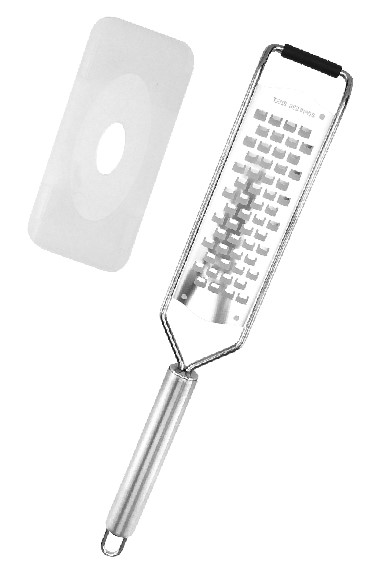
Kitchen Utensils Supplier Guide: Choosing a Stainless Steel Grater Set
Finding the right kitchen utensils supplier is not just about comparing catalog photos. For retailers, distributors, promotional buyers, and OEM sourcing teams, the real question is whether a product can meet the needs of end users while also fitting your quality, packaging, delivery, and after-sales requirements. A stainless steel grater set is a good example: it looks simple, but buyer satisfaction depends on blade performance, comfort, cleaning convenience, safety, and clear product communication.
The original product information highlights a stainless steel grater and a multi-function kitchen grater set with six precision blades for different preparation tasks. This guide explains how to evaluate that type of product and what to ask when speaking with a kitchen gadget supplier.
Key Takeaways
- A good kitchen utensils supplier should help you verify materials, blade functions, packaging options, and quality-control expectations before purchase.
- A stainless steel grater set is useful because different blades can support zesting, shredding, slicing, spice grating, and coarse vegetable preparation.
- Do not rely only on product descriptions. Ask for samples, photos, use instructions, cleaning guidance, and written specifications.
- For wholesale or OEM projects, confirm branding, carton details, lead time, inspection standards, and any market-specific compliance needs.
Why a Stainless Steel Grater Set Appeals to Buyers
Graters are everyday kitchen tools used by home cooks, food-service teams, and cooking enthusiasts. A stainless steel grater set can cover a wide range of preparation tasks, from citrus zest and garlic to cheese, vegetables, spices, nuts, cabbage, and root vegetables. This flexibility makes it easier for a retailer or distributor to position the product for multiple cooking scenarios rather than a single narrow use.
The source article describes blades that are sharp, resistant to rust, durable, and easy to clean. When sourcing, treat these as product claims that should be confirmed with the supplier through sample testing and written product details. For example, buyers can ask how the stainless steel is specified, how blade sharpness is checked, and what cleaning instructions should be printed on packaging or inserts.
Understanding the Six-Blade Configuration
The six-blade format is the most useful product fact from the original article. Each blade is intended for a different preparation style, which can help buyers create clearer listings, manuals, and comparison charts. The following table summarizes the functions described in the original content and the sourcing points to verify.
| Blade | Described Use | Buyer Checkpoint |
|---|---|---|
| A Blade | Fine zesting for fruit and garlic | Check whether the texture is fine enough for citrus zest without excessive pith. |
| B Blade | Medium shreds for cheese and vegetables | Test with firm cheese and common vegetables to confirm consistent results. |
| C Blade | Even slicing | Ask whether slice thickness is fixed and request close-up sample images. |
| D Blade | Fine grating for spices and nuts | Confirm what foods are suitable and whether hard ingredients are recommended. |
| E Blade | Coarse shreds for soup preparation | Test carrots, potatoes, or similar ingredients if those are target uses. |
| F Blade | Coarse shreds for cabbage and root vegetables | Evaluate cutting effort, stability, and cleaning after fibrous vegetables. |
How to Evaluate a Kitchen Utensils Supplier
A reliable supplier should be able to answer practical questions without vague language. Start with product documentation. Ask for the complete item description, material information, available colors or packaging formats if applicable, unit dimensions, weight, carton packing, and care instructions. If the supplier offers OEM or private label service, confirm what parts can be customized, such as logo placement, packaging artwork, instruction sheets, or barcode labeling.
Next, review communication quality. A good kitchen gadget supplier should clarify what is standard and what requires a custom order. Avoid assuming that catalog images represent the final retail product. Request pre-production samples for branded orders and compare them with any approved reference sample before shipment.
Finally, ask about quality checks. Instead of accepting broad statements such as “high quality,” request the supplier’s inspection points. For a grater set, these may include blade attachment, surface finish, handle or frame stability, packaging condition, and visual defects. If your market requires specific compliance documents, ask the supplier whether they can provide relevant documentation for your review; do not assume availability unless it is confirmed in writing.
Product Selection Criteria for Wholesale and Retail
When choosing a multi-blade grater set for a product line, consider the end user first. A professional chef may prioritize cutting efficiency and fast cleaning, while a home cook may care more about safe handling, compact storage, and easy-to-understand blade labels. Retail buyers should also consider how clearly the product benefit can be explained on a shelf, listing page, or product insert.
- Blade usefulness: Confirm that each blade has a clear role and does not duplicate another blade too closely.
- Handling: Check whether the tool is comfortable to hold during repeated grating or slicing.
- Stability: Test whether the grater remains steady during use, especially with hard vegetables.
- Cleaning: Ask for recommended cleaning methods and whether food particles are easy to remove.
- Packaging clarity: Make sure each blade function is explained in plain language for the target market.
- After-sales support: Discuss how the supplier handles product questions, replacement parts if applicable, and quality complaints.
Important Questions to Ask Before Placing an Order
Before confirming a purchase order, create a checklist that covers both product and commercial details. Ask what stainless steel is used, whether the blades are detachable or fixed, how sharp edges are protected in packaging, and whether user instructions are included. If you need custom branding, ask for artwork templates and confirm whether there are additional costs or minimum order requirements.
Commercial terms should also be documented. Buyers should ask about sample availability, production lead time, payment terms, export carton specifications, shipping marks, and inspection timing. If you sell in multiple countries, request packaging text requirements early so translations, warnings, and care instructions can be reviewed before mass production.
Use and Care Guidance to Share With End Users
Even the best sourcing decision can lead to complaints if end users do not understand how to use the product safely. Product pages and inserts should explain which blade is intended for each task and remind users to keep fingers away from sharp surfaces. If a food holder, guard, or storage cover is included, explain its purpose clearly. If it is not included, avoid implying that it is part of the set.
Cleaning guidance should be specific but based on supplier-confirmed instructions. In general, buyers can ask the supplier whether the grater should be hand washed, whether dishwasher cleaning is recommended, and how to dry the stainless steel parts after washing. Clear care instructions help reduce misuse and support better long-term customer satisfaction.
Practical FAQ
What makes a stainless steel grater set suitable for wholesale?
It should offer clear blade functions, consistent sample quality, understandable packaging, and supplier support for specifications, inspection, and order documentation.
Should buyers request samples before ordering?
Yes. Samples allow buyers to test blade performance, comfort, cleaning, packaging, and whether the product matches catalog descriptions.
Can a six-blade grater set be used for private label projects?
It may be possible, but buyers should ask the supplier which branding options are available, what files are required, and whether any minimum order or setup terms apply.
What product claims should be verified?
Verify claims related to stainless steel material, rust resistance, blade sharpness, cleaning method, durability, and packaging contents. Keep written confirmation from the supplier.
How can buyers reduce customer complaints?
Provide accurate blade descriptions, clear use instructions, safety reminders, and care guidance. Also inspect samples and shipment quality before selling the product.
Final Sourcing Advice
A multi-function stainless steel grater set can be a practical addition to a kitchen utensil range when the supplier provides clear information and stable product execution. Focus on verified details rather than broad promotional claims. By testing samples, documenting specifications, and asking the right sourcing questions, buyers can choose a kitchen utensils supplier that supports both product quality and smoother purchasing decisions.
