




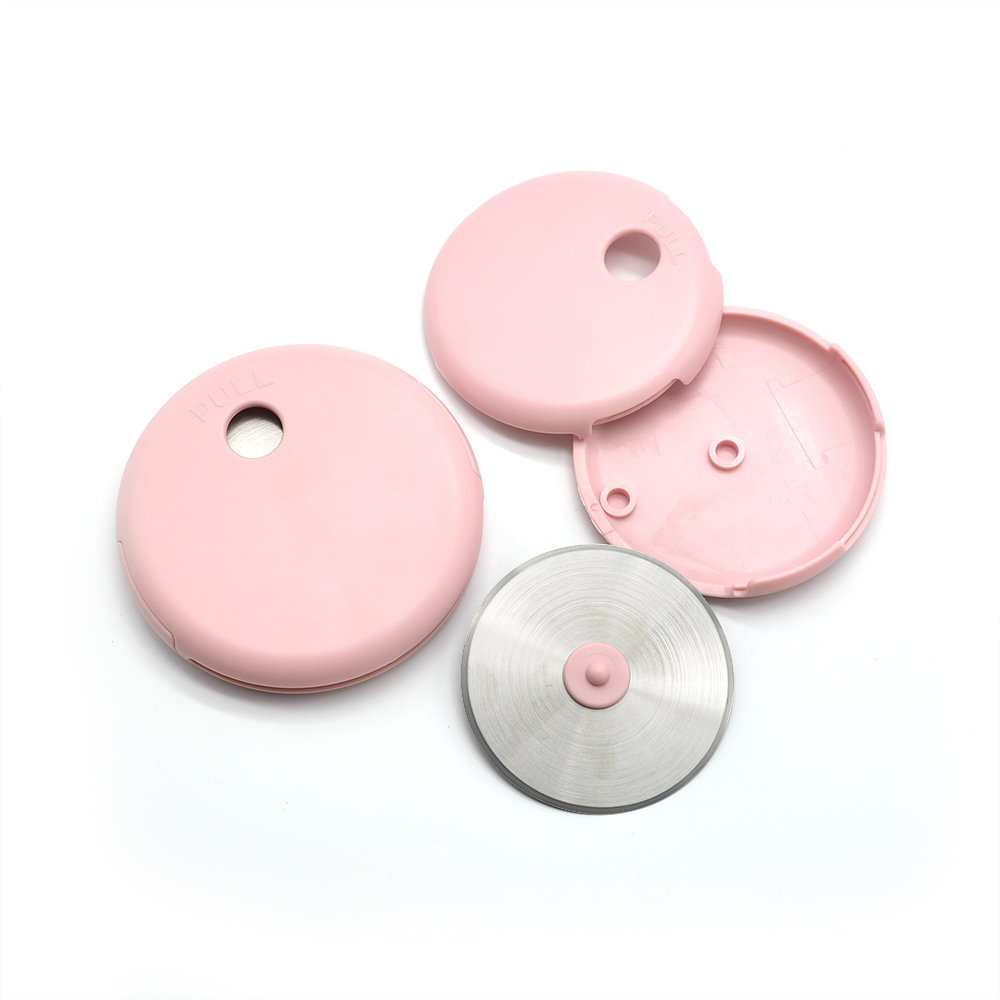
Leading Pizza Cutter Manufacturer for Quality Slice Experience
Choosing a pizza cutter manufacturer is not only about finding a low unit cost. For restaurants, distributors, promotional product buyers, and kitchenware retailers, the cutter must perform reliably, feel safe in the hand, and arrive with consistent appearance and packaging. A pizza slicer is a simple tool, but small differences in wheel sharpness, handle comfort, assembly strength, and finish can affect the user experience every day.
The original buying logic still applies: the wheel and handle are the two critical components. A quality cutting wheel should create a clean slice through crust without dragging toppings, while the handle should offer stable control and reduce hand strain. For B2B buyers, the next step is to translate those product expectations into clear supplier questions, sample checks, and order requirements.
Key Takeaways
- Evaluate the cutter as a working kitchen tool, not just as a commodity item.
- Check wheel sharpness, rotation, handle grip, and assembly stability before confirming a bulk order.
- Ask the supplier direct questions about materials, packaging, quality inspection, lead time, and customization options.
- Request production samples or pre-shipment photos when sourcing wholesale pizza cutters.
- Use the cutter’s versatility, including use on flatbreads, pastry dough, quesadillas, and herbs, as a retail or menu-support benefit.
What Makes a Pizza Cutter Manufacturer Reliable?
A reliable manufacturer should be able to explain how its pizza cutters are made, inspected, packed, and shipped. Buyers do not need to accept vague claims such as “high quality” without evidence. Instead, ask for practical details: What material is used for the wheel? How is the handle attached? Is the wheel rotation checked? Can the supplier provide samples from current production rather than only showroom pieces?
If the supplier operates as a pizza slicer factory, it should also be able to clarify whether it supports OEM or private-label requests. This may include color selection, handle branding, retail packaging, barcode labels, carton markings, or assortment packing. Do not assume these services are available; confirm them early and ask whether they affect cost, lead time, or order quantity.
How to Judge Pizza Slicer Quality
The cutting wheel is the main performance component. Many buyers look for stainless steel wheels because they are commonly associated with durability and clean cutting; however, the exact material grade should be confirmed with the supplier instead of assumed. The wheel should rotate smoothly, feel secure on its axle, and have an edge suitable for the intended market. A cutter for restaurant service may be evaluated differently from a low-cost retail promotion item.
The handle matters just as much. The original article notes that ergonomic handles are often made from robust plastic. For sourcing purposes, check how the handle feels in different hand sizes, whether it becomes slippery when wet, and whether the shape gives users enough control. Look for rough edges, visible gaps, weak joints, or wobbling parts. These issues may seem minor in one sample but become costly when repeated across a wholesale order.
Comparison Checklist for Bulk Pizza Cutter Sourcing
| Check Point | What to Inspect | Questions to Ask the Supplier |
|---|---|---|
| Cutting wheel | Sharpness, smooth rotation, secure axle, clean finish | What material is used, and can it be documented? |
| Handle | Grip comfort, strength, surface texture, edges | Can handle color, shape, or branding be customized? |
| Assembly | No looseness, cracks, deformation, or rattling | What inspection steps are used during production? |
| Packaging | Protection in transit, retail presentation, carton strength | Are retail cards, labels, or custom packaging available? |
| Order terms | Consistency, lead time, sample approval process | What is the MOQ, production time, and sample policy? |
Benefits of Pizza Cutter Wholesale Purchasing
Wholesale sourcing can help restaurants, retailers, and distributors maintain product consistency across locations or sales channels. Buying directly from a manufacturer or factory may also simplify communication about product details, packaging, and repeat orders. However, direct sourcing is only useful when expectations are clearly written down.
Before placing a bulk order, create a simple product specification sheet. Include the expected cutter size if relevant, wheel material, handle material, color, packaging format, carton labeling needs, and any inspection requirements. If the supplier has not confirmed a feature in writing, do not treat it as guaranteed. This is especially important for private-label programs where packaging artwork, logo placement, and color matching can create delays if they are not approved in advance.
OEM and Private-Label Questions to Ask
When the buying intent involves OEM, wholesale, or retail distribution, the sourcing process should be structured. A good supplier conversation should cover both product performance and commercial execution. Useful questions include:
- Can you provide current samples before mass production?
- What wheel and handle materials are used in the quoted model?
- Can you support custom handle colors, logos, or packaging?
- What is the minimum order quantity for standard and customized items?
- How do you inspect wheel rotation, handle attachment, and appearance?
- What packaging options are available for retail shelves or foodservice supply?
- How are defects handled if they are found before shipment?
- What shipping carton details and labeling can be provided?
These questions are not a substitute for a formal contract, but they help buyers compare suppliers more fairly. A low quote may become less attractive if it excludes packaging, inspection, artwork setup, or other necessary details.
More Than Pizza: Practical Uses That Add Value
A well-designed pizza cutter is useful beyond pizza service. The original article correctly points out that it can cut pastry dough, quesadillas, flatbreads, and fresh herbs. This versatility matters for both commercial kitchens and retail buyers. In a café or casual dining kitchen, one tool can support multiple prep tasks. In retail, the same versatility gives shoppers more reasons to buy the product.
Even so, buyers should keep use cases realistic. A standard pizza wheel is best suited for soft to moderately firm foods placed on a safe cutting surface. It should not be marketed as a replacement for knives, heavy-duty dough cutters, or specialty herb tools unless the design has been tested for those uses.
Sampling and Inspection Before a Bulk Order
Samples are essential. Inspect several pieces, not just one, because consistency is the real test of a manufacturer. Rotate each wheel by hand, press gently on the handle, check for burrs or sharp non-cutting edges, and try the cutter on a pizza or similar flatbread. If the product will be sold in retail packaging, review the packaged sample as carefully as the cutter itself.
For larger wholesale orders, ask whether the supplier can provide pre-production samples and pre-shipment photos. Some buyers also use third-party inspection services, especially for first-time orders. The inspection criteria should be practical: appearance, quantity, packaging, labeling, assembly, and basic function. Avoid relying only on catalog photos, because photos cannot confirm balance, grip comfort, or wheel movement.
FAQ
What is the most important part of a pizza cutter?
The cutting wheel and handle are both important. The wheel determines slicing performance, while the handle affects control, comfort, and safety during repeated use.
Should I buy from a pizza slicer factory or a trading company?
Either can work. A factory may offer more direct control over production, while a trading company may provide broader sourcing options. Ask who controls quality inspection, customization, and after-sales communication.
Can pizza cutters be customized for retail or promotional use?
Many suppliers may offer customization such as colors, packaging, or branding, but availability depends on the model and order quantity. Confirm details, costs, and lead time before ordering.
What should I test in a sample?
Check wheel rotation, edge performance, handle comfort, assembly strength, surface finish, and packaging quality. Test more than one sample if possible.
Are pizza cutters only for pizza?
No. They can also be useful for flatbreads, quesadillas, pastry dough, and herbs, provided the food and cutting surface are suitable for a rolling blade.
Final Sourcing Advice
A pizza cutter may be a compact kitchen tool, but it still deserves a disciplined sourcing process. Define the product you need, compare samples carefully, ask direct supplier questions, and confirm all commercial details in writing. The right pizza cutter manufacturer should help you source a slicer that is consistent, practical, and appropriate for your customers or kitchen operations.
