





Master Tailoring Utility Scissors: PrecisionMax Review
Tailoring utility scissors are simple tools, but the right pair can make cutting fabric, trimming paper patterns, and finishing craft details more consistent. This review looks at PrecisionMax Craft and Sewing Scissors from a practical user perspective: how they fit into a sewing kit, what features are explicitly described, and what questions a careful buyer should ask before choosing scissors for daily tailoring or hobby use.
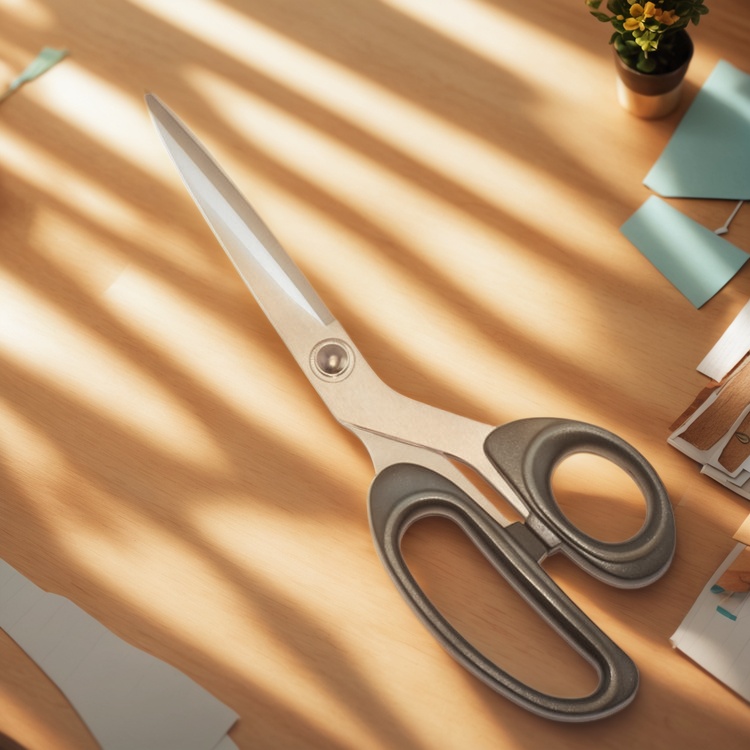
The original product description presents PrecisionMax as craft and sewing scissors designed for tailors and crafters. It highlights ergonomic black soft-grip handles, finger loops intended to fit snugly, and stainless steel blades for clean cutting and resistance to rust and corrosion. Those are useful claims for anyone comparing general-purpose tailoring scissors, but they should be considered alongside your materials, cutting habits, and maintenance routine.
What Tailoring Utility Scissors Are Used For
Tailoring utility scissors sit between specialized dressmaking shears and everyday household scissors. They are commonly used for fabric alterations, paper templates, thread trimming, light craft cutting, and small sewing projects. For many home sewers and craft users, one dependable pair is more practical than owning a different cutter for every task.
However, utility does not mean every material should be treated the same. Cutting heavy cardboard, wire, plastic packaging, or adhesive-backed materials can dull blades quickly. If you plan to cut both fabric and paper, consider whether you need separate pairs. Many sewing users keep one pair for fabric only and another for patterns, packaging, and general craft work.
PrecisionMax Features Stated in the Original Description
The available product information describes PrecisionMax Craft and Sewing Scissors as having stainless steel blades and ergonomically designed handles made from high-grade, soft-grip black material. It also notes that the handle loops are shaped to fit the fingers snugly, supporting control and balance during cutting.
These details matter because scissors are judged not only by sharpness, but also by how stable they feel through a full cutting stroke. A comfortable handle can reduce strain during long sessions, while a controlled grip helps when following curved pattern lines or trimming close to a seam. Stainless steel is also commonly valued for resistance to rust and corrosion, especially when tools are stored in humid kitchens, craft rooms, or laundry areas.
Selection Checklist: Is This Type of Scissor Right for You?
Before choosing tailoring utility scissors, compare the tool with your actual use case. The table below gives a practical checklist for consumers, studios, and small sewing teams evaluating scissors for everyday work.
| Selection point | What to check | Why it matters |
|---|---|---|
| Primary material | Fabric, paper, thread, or mixed crafts | Dedicated fabric use helps preserve blade sharpness |
| Handle comfort | Soft grip, finger loop size, left or right hand fit | Poor fit can cause fatigue and uneven cutting |
| Blade material | Confirm stainless steel and ask how it should be maintained | Rust resistance is useful, but care is still required |
| Cutting control | Test straight lines, curves, and short snips if possible | Different projects need different levels of precision |
| Maintenance needs | Cleaning, drying, storage, and sharpening options | Good care extends the life of the tool |
Best Uses for PrecisionMax Craft and Sewing Scissors
Based on the original description, PrecisionMax is positioned for tailoring, crafting, fabric cutting, paper cutting, dressmaking tasks, and scrapbooking. That makes it a general craft-and-sewing tool rather than a highly specialized industrial shear.
- Fabric alterations: Useful for trimming hems, cutting small panels, and shaping simple repairs.
- Pattern work: Suitable for cutting paper templates when you do not need to preserve a fabric-only edge.
- Craft projects: Helpful for scrapbooking, decorative paper, and mixed media work within reasonable material limits.
- Sewing preparation: Practical for cutting interfacing, lining pieces, and general project materials.
- Detail trimming: The controlled handle shape may help with careful short cuts around seams or edges.
If your work involves thick upholstery fabric, layered denim, leather, or production-volume cutting, ask the supplier whether the scissors are designed for those loads. Do not assume a utility scissor will replace heavy-duty shears or rotary cutting systems.
Comfort, Control, and Long Cutting Sessions
Hand comfort is one of the strongest reasons to compare tailoring scissors carefully. The PrecisionMax description emphasizes ergonomic tailor scissors with soft-grip black handles. For users who cut many pieces at a time, this may help reduce pressure on the fingers compared with hard, narrow handles.
Still, ergonomics are personal. Finger size, hand strength, cutting angle, and whether you are left- or right-handed all affect comfort. If buying online, review product photos closely and check return options. If buying for a classroom, sewing club, or small studio, consider testing one sample before ordering multiple pairs.
Use and Care Guidance
Even stainless steel scissors need basic care. Rust and corrosion resistance does not mean the tool should be stored wet or used on corrosive materials. A simple care routine will keep the blades cutting cleanly for longer.
- Wipe the blades after cutting lint-heavy fabric, paper dust, or adhesive materials.
- Dry the scissors before storage, especially in humid rooms.
- Store them closed in a drawer, sleeve, or tool case to protect the cutting edge.
- Avoid cutting wire, hard plastic, pins, or thick packaging unless the supplier confirms suitability.
- Keep fabric scissors separate from paper scissors if clean textile cutting is important.
- Ask whether the pivot can be adjusted or serviced before attempting repairs yourself.
Key Takeaways
PrecisionMax Craft and Sewing Scissors are presented as tailoring utility scissors with stainless steel blades, ergonomic soft-grip black handles, and snug finger loops for control. They appear best suited to general sewing, fabric alterations, paper cutting, and craft work. Buyers should match them to the materials they cut most often, confirm any missing specifications with the supplier, and maintain the blades with regular cleaning and dry storage.
FAQ
Can I use these scissors for both fabric and paper?
Yes, the original description mentions fabric and paper cutting. For best fabric performance, many users still keep a dedicated fabric-only pair because paper can dull blades over time.
Are the blades stainless steel?
The source description states that the scissors have stainless steel blades and notes rust and corrosion resistance. You should still clean and dry them after use.
Are they suitable for professional tailoring?
They may be useful for alterations, craft work, and general sewing tasks. For professional production, ask the supplier about blade length, thickness capacity, sharpening guidance, warranty terms, and suitability for continuous use.
How do I reduce hand fatigue when cutting?
Choose scissors with comfortable loops, keep your wrist neutral, cut on a stable surface, and take breaks during long projects. The described soft-grip ergonomic handles are intended to support comfort, but fit should be checked by the user.
What should I ask before buying multiple pairs?
Ask about exact dimensions, handedness, packaging, replacement or service options, intended materials, and care instructions. If sourcing for a team, test a sample with your actual fabrics and workflows first.
