




Multi-Function Bottle Opener: A Practical Kitchen Helper for Different Lid Sizes
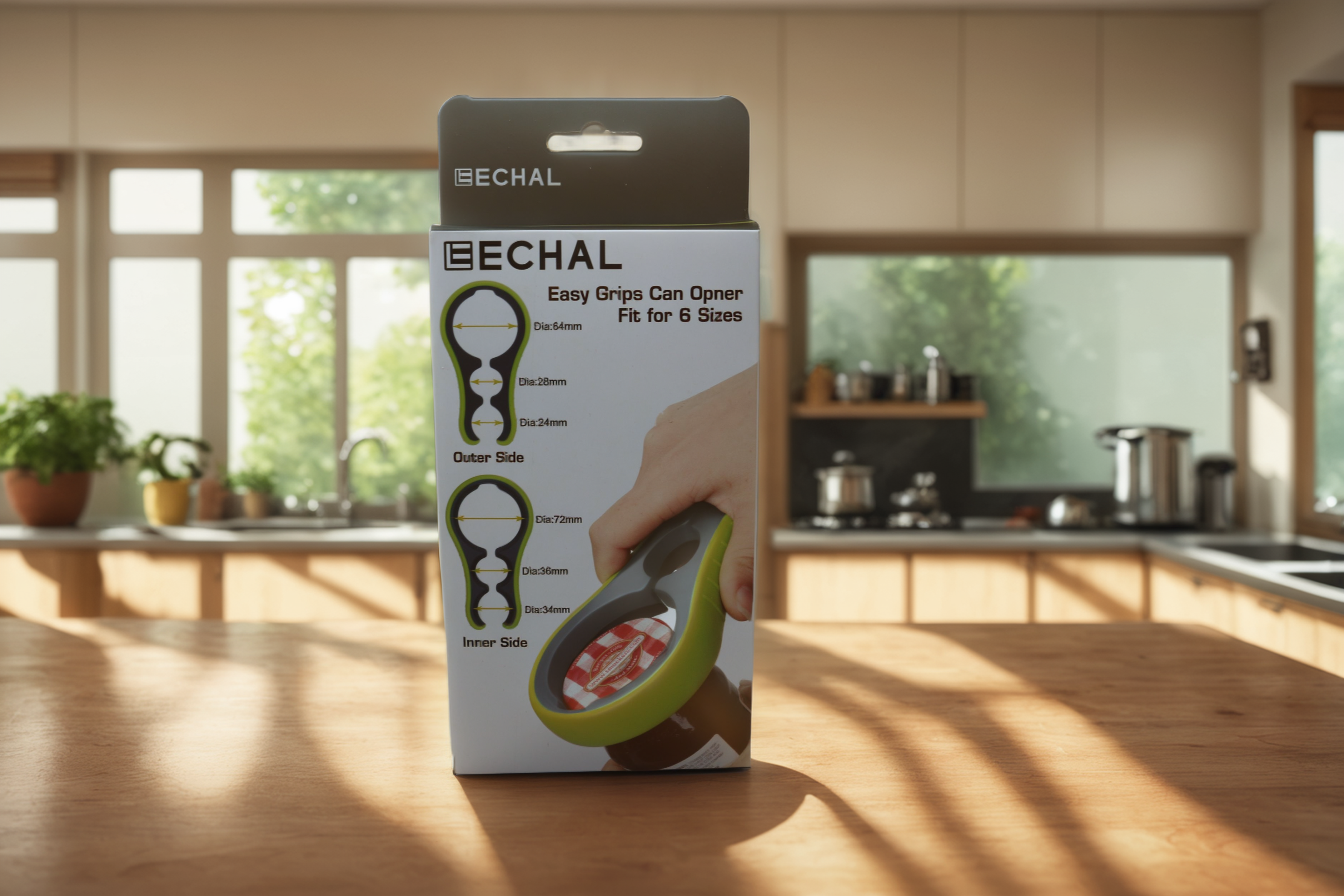
A multi-function bottle opener is designed for one simple reason: kitchens often contain many types of lids, caps, jars, and containers, but most households do not want a drawer full of single-use tools. The ECHAL Easy Grips Can Opener described in the original product information is positioned as a versatile opener for several common lid sizes, with an ergonomic handle and a compact profile. For shoppers comparing kitchen tools, the key question is not whether an opener looks clever, but whether it fits the containers you use most and remains comfortable in everyday handling.
This guide explains what to look for in a multi-function opener, how the stated size compatibility can be used in product selection, and how to care for the tool so it stays useful over time. It is written for home users, small kitchen teams, and buyers comparing practical household accessories.
Key Takeaways
- A good multi-function opener should match the lid and cap sizes you actually use, not just advertise many functions.
- The source information states compatibility with six lid sizes: 24mm, 28mm, and 64mm outer diameters, plus 34mm, 36mm, and 72mm inner diameters.
- A soft anti-slip grip can make opening tasks easier for users with limited hand strength, but fit and technique still matter.
- Compact tools can reduce drawer clutter, especially when they replace several single-purpose openers.
- Before buying for a household or business, confirm materials, care instructions, packaging, and warranty details with the seller.
What This Type of Opener Is Designed to Do
A multi-function bottle opener is meant to handle a wider range of opening tasks than a basic cap lifter. Depending on its design, it may grip twist caps, help loosen jar lids, open pull tabs, or provide leverage on stubborn packaging. The ECHAL Easy Grips Can Opener is described as a tool that can handle six different lid sizes, making it relevant for small bottles, condiment jars, and larger preserve containers.
The value of this kind of kitchen tool is practical. If you regularly struggle with tight lids, wet hands, or limited grip strength, a larger contact area and anti-slip handle may provide better control than using fingers alone. It can also help reduce the need to improvise with towels, knives, or other unsafe methods that can damage containers or cause injury.
Understanding the Six Stated Lid Sizes
The original article gives specific size information: the opener accommodates outer diameters of 24mm, 28mm, and 64mm, and inner diameters of 34mm, 36mm, and 72mm. These figures are useful because they allow buyers to compare the tool against real containers at home rather than relying only on general claims such as universal opener or all-in-one opener.
Before choosing any opener, measure a few common containers with a ruler or caliper. Small beverage caps, condiment bottle caps, jam jars, and preserve jars can vary by region and brand. The stated sizes may cover many household needs, but no opener should be assumed to fit every lid. If you are buying for a shared kitchen, office pantry, hospitality setting, or retail bundle, test a sample against the most common containers first.
Comparison and Selection Checklist
| Selection Point | Why It Matters | What to Check |
|---|---|---|
| Lid size compatibility | The opener must match the caps and jars you use most often. | Compare container diameters with the stated 24mm, 28mm, 64mm, 34mm, 36mm, and 72mm sizes. |
| Grip comfort | A tool that slips or feels awkward may not help with tight lids. | Look for a soft, anti-slip handle and enough surface area for secure control. |
| Ease of cleaning | Kitchen tools can contact sticky sauces, oils, or drink residue. | Ask whether the opener should be hand washed and how to clean textured grip areas. |
| Storage space | One reason to choose a multi-function tool is to reduce drawer clutter. | Check overall profile and whether it fits in your utensil drawer or hanging storage. |
| Supplier details | Commercial buyers need more than product photos. | Ask about materials, packaging, lead time, sampling, and after-sales support. |
Ergonomics: Why the Handle Matters
The source article highlights a soft, anti-slip grip and an ergonomic handle. That is important because opening a lid is not only about strength; it is also about control, leverage, and hand position. A slippery plastic cap, a vacuum-sealed jar, or a wet kitchen environment can make the task harder. A handle that feels secure can reduce the chance of the tool twisting unexpectedly.
For users with wrist strain, arthritis, or reduced grip strength, a multi-function opener may make daily tasks easier. However, it is still important to use the tool correctly. Place it fully around the lid or cap, keep the container stable on a flat surface, and turn gradually rather than jerking. If a jar remains difficult to open, releasing the vacuum seal by another safe method may be necessary before using the opener again.
When a Compact Multi-Function Tool Makes Sense
A compact opener is most useful when it replaces several tools without becoming difficult to use. In a small apartment kitchen, RV, dorm room, office pantry, or senior-friendly kitchen setup, drawer space matters. A slim profile can be more convenient than keeping separate openers for bottles, jars, pull tabs, and screw caps.
That said, compact does not always mean better. If a household opens large commercial jars, oversized foodservice containers, or specialty packaging, a heavier-duty opener may be needed. Think of a multi-function opener as a daily convenience tool for common kitchen containers, not a guaranteed solution for every lid in every setting.
Use and Care Tips for Better Results
- Match the opener slot or grip area to the lid size before applying force.
- Dry wet lids and hands when possible to improve grip.
- Hold the container on a stable surface rather than in the air.
- Apply steady pressure and turn slowly to avoid slipping.
- Clean off sticky residue after use, especially around textured grip areas.
- Store the opener where it will not be bent or compressed by heavier utensils.
If the seller provides cleaning instructions, follow those first. Do not assume dishwasher safety unless it is clearly stated by the supplier. Some handle materials, coatings, or grip components may last longer with gentle hand washing and complete drying.
Questions to Ask Before Buying in Quantity
For retailers, promotional buyers, kitchenware distributors, or hospitality purchasing teams, sourcing a multi-function opener requires more than confirming the appearance. Ask the supplier practical questions before placing an order. What materials are used in the body and grip? Are samples available for fit testing? What packaging formats are offered? Can the supplier provide product dimensions, carton details, care instructions, and any applicable compliance documentation? What is the lead time for repeat orders?
These questions help avoid misunderstandings. The original article mentions versatility, an ergonomic soft anti-slip grip, a green and black color scheme, and a slim profile, but it does not provide material grade, test reports, MOQ, pricing, or certification details. Those points should be confirmed directly with the supplier if they matter for your sales channel or internal purchasing process.
Practical FAQ
Does this opener fit every jar and bottle?
No. The source information lists six compatible sizes: 24mm, 28mm, and 64mm outer diameters, plus 34mm, 36mm, and 72mm inner diameters. Measure your common lids before buying.
Is it suitable for people with weak hands?
The described soft anti-slip grip and ergonomic design may help users who find lids difficult to open. Comfort depends on hand size, grip strength, lid tightness, and correct use.
Can it replace all other openers?
It may replace several everyday openers, especially for common bottles and jars, but specialty containers or very large lids may still require a different tool.
How should I clean it?
Wipe or wash away residue after use and dry it before storage. Confirm dishwasher suitability with the seller because the original information does not specify cleaning method.
What should business buyers confirm?
Ask about materials, packaging, sample availability, care instructions, lead time, MOQ, and any documents required for your market. Do not assume these details unless the supplier provides them.
Final Buying Guidance
The best reason to choose a multi-function bottle opener is not novelty; it is everyday usefulness. If the six stated lid sizes match your typical bottles and jars, and the handle feels secure in the hand, this type of opener can reduce frustration and keep kitchen drawers simpler. For consumers, focus on fit, comfort, cleaning, and storage. For B2B buyers, request samples and written product details before committing to a larger order. A practical opener should make common kitchen tasks easier without requiring exaggerated claims or unnecessary complexity.
