




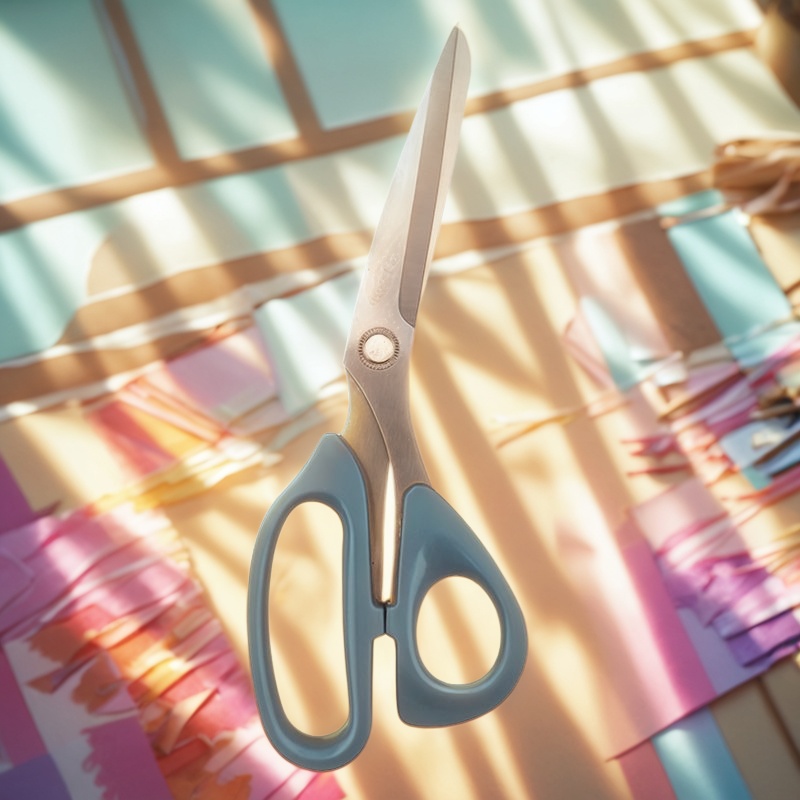
Mastering Precision with Quality Cutting Scissors
Quality cutting scissors can make routine tasks easier, cleaner, and more predictable. Whether you are trimming fabric, preparing craft materials, opening packaging, cutting paper patterns, or handling household jobs, the wrong pair of scissors can cause ragged edges, hand fatigue, and wasted material. The right pair should feel controlled in the hand, cut smoothly through the intended material, and remain dependable with proper care.
The original article highlights three practical ideas worth keeping in mind: sharp blades, ergonomic handles, and precision across different projects. This updated guide expands those points into a useful selection and care checklist so buyers can choose scissors based on real tasks rather than vague claims.
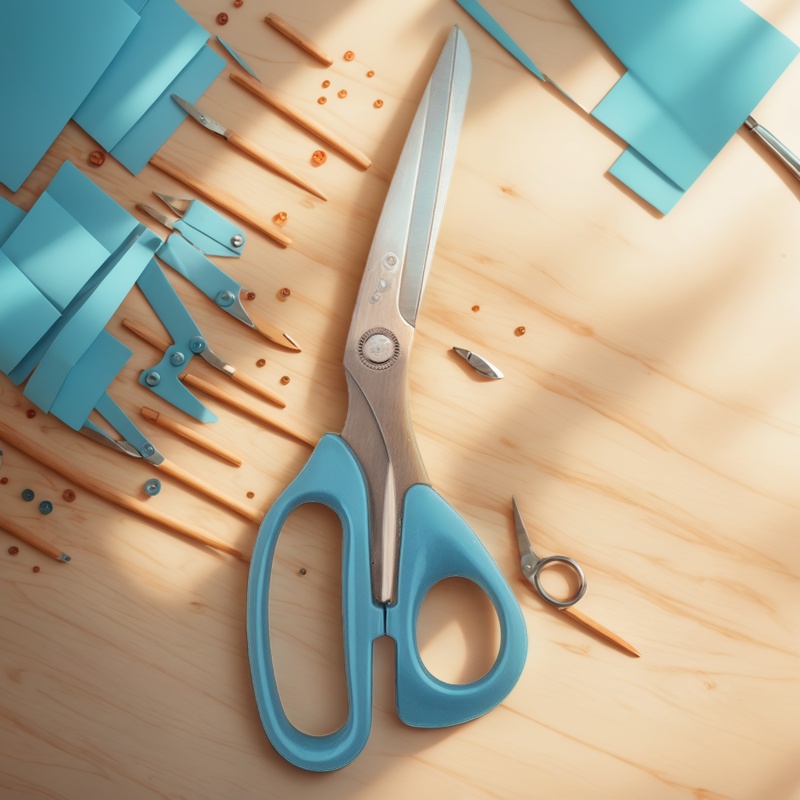
Key Takeaways
- Choose scissors according to the material you cut most often, not only by size or appearance.
- Ergonomic handles can reduce pressure during longer cutting sessions, but fit should be tested where possible.
- For fabric work, keep a dedicated pair away from cardboard, adhesive tape, and rough packaging.
- Regular cleaning, dry storage, and careful use help maintain cutting performance.
- Before buying in bulk, ask the supplier about blade material, packaging, replacement policy, and intended applications.
What Makes Cutting Scissors Feel Precise?
Precision is not only about sharpness. A precise pair of scissors combines blade alignment, handle comfort, balanced weight, and a pivot that opens and closes smoothly. If the blades shift apart while cutting, thin fabric can fold instead of separate. If the pivot is too tight, the hand tires quickly. If the handles are uncomfortable, the user may lose control on curved or detailed cuts.
The original description mentions blades crafted from high-grade stainless steel. Stainless steel is commonly valued for corrosion resistance and ease of cleaning, but buyers should still check the specific product details provided by the supplier. A good product page or supplier response should clarify the blade material, edge style, recommended use, and whether the scissors are intended for fabric, paper, craft, or general household work.
Choosing Scissors by Task
Different cutting jobs place different demands on the tool. A pair that works well for opening boxes may not be the best choice for silk, cotton, felt, or detailed paper cutting. For users who work across several materials, it can be practical to own more than one pair and label them by purpose.
| Use case | What to look for | What to avoid |
|---|---|---|
| Fabric and sewing | Long, smooth blades; comfortable grip; clean edge control | Using the same pair on cardboard, wire, or adhesive tape |
| Craft projects | Controlled tips; easy opening and closing; suitable size for details | Oversized shears for small curves or intricate patterns |
| Office and paper | Reliable general-purpose blades and a comfortable handle | Expecting paper scissors to stay ideal for textile work |
| Packaging and household tasks | Durable construction and secure grip | Cutting hard materials beyond the product’s intended use |
Why Ergonomic Handles Matter
Scissors with ergonomic handles are designed to support a more natural hand position. For long cutting sessions, this can reduce pressure on the fingers and wrist. Comfort is especially important for sewing, pattern making, classroom preparation, packaging work, and craft production where repetitive motion is common.
However, ergonomic does not mean one shape fits everyone. Handle openings, grip angle, surface texture, and overall weight can feel different depending on hand size and cutting style. If you are buying for a team, classroom, workshop, or household with multiple users, consider whether both right-handed and left-handed users need options. If the product listing does not clarify handedness, ask before ordering.
Fabric Cutting: When to Use Dedicated Shears
The original article positions quality cutting scissors as useful for fabric, paper, cardboard, and packaging. That versatility is helpful, but fabric users should be careful. Cutting cardboard, rough packaging, or tape residue can dull or contaminate an edge faster than cutting cloth. If you want clean fabric edges, dedicate one pair only to textiles.
For fabric work, test scissors on scrap material before cutting the final piece. A good pair should move through the fabric without pulling, chewing, or pushing layers out of alignment. On lightweight fabric, controlled blade contact matters. On thicker materials such as denim, users need steady leverage and a handle that does not dig into the hand. Always confirm that the scissors are suitable for the thickness and type of material you plan to cut.
Simple Buying Checklist
Before choosing quality cutting scissors, review the practical details that affect daily use. This is helpful for individual buyers and also for small businesses, studios, schools, and retailers comparing supplier options.
- Main material to cut: fabric, paper, packaging, craft materials, or mixed household use.
- Blade information: ask what material is used and what the edge is designed to cut.
- Handle design: check whether the grip is comfortable for longer sessions and whether handedness is specified.
- Size and control: longer blades may help with straight fabric cuts, while smaller scissors can be better for detail work.
- Pivot quality: blades should open and close smoothly without wobbling.
- Care instructions: confirm how the supplier recommends cleaning, drying, and storing the scissors.
- Commercial details: for wholesale or repeat purchasing, ask about packaging, sample availability, lead time, and after-sales handling.
Use and Care for Cleaner Cuts
Even good scissors can perform poorly if they are misused or neglected. Wipe the blades after cutting materials that leave lint, dust, or adhesive residue. Keep scissors dry before storage, especially if they are used in humid rooms or near sinks. Store them closed in a drawer, case, or tool holder to protect the edge and reduce accidents.
Avoid twisting the blades while cutting, forcing them through materials beyond their intended use, or dropping them on hard floors. If the blades begin to fold material instead of cutting it, the edge may be dull, the pivot may be loose, or the scissors may not be suitable for that material. In that case, check whether adjustment or sharpening is appropriate for the specific product.
FAQ
Are quality cutting scissors the same as fabric scissors?
Not always. Some scissors are general-purpose, while fabric scissors are intended to cut textiles cleanly. If fabric finish is important, use a dedicated pair and avoid cutting cardboard, tape, or rough packaging with it.
Do ergonomic handle scissors really help?
They can help reduce pressure during repetitive cutting, especially for craft, sewing, office preparation, or workshop use. The benefit depends on hand size, grip shape, and how long the scissors are used.
Can one pair handle fabric, paper, and packaging?
A versatile pair may cut several materials, but performance can decline if the edge is used on abrasive or sticky items. For best results, keep separate scissors for fabric and general household tasks.
What should I ask a supplier before buying scissors in quantity?
Ask about blade material, intended applications, handle options, packaging, sample availability, lead time, care guidance, and how quality issues are handled. Do not assume specifications that are not clearly stated.
How do I keep scissors sharp for longer?
Use them only on suitable materials, clean the blades after use, keep them dry, store them safely, and avoid forcing cuts. If cutting performance drops, follow the supplier’s guidance on adjustment or sharpening.
