




Mastering the Handheld Spiralizer: A Practical Guide to a Versatile Kitchen Gadget
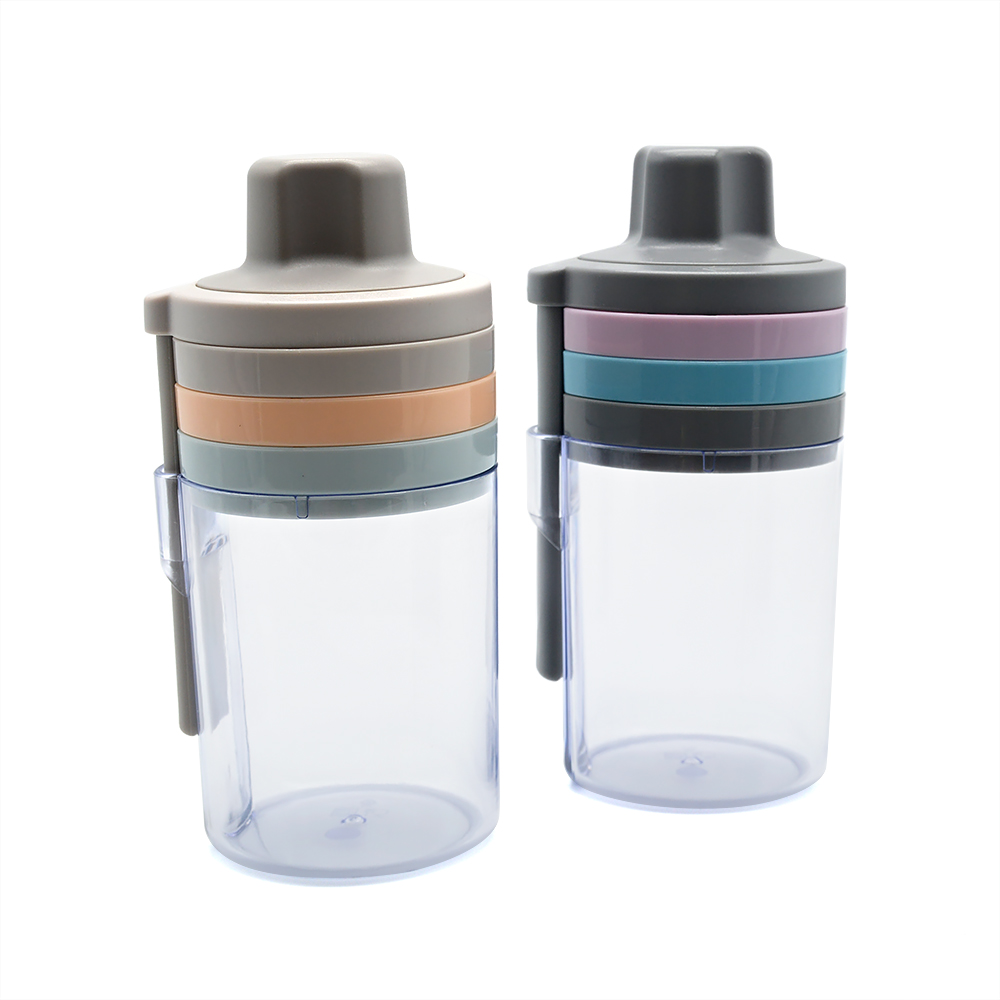
A handheld spiralizer is a compact kitchen tool designed to turn firm fruits and vegetables into spirals, curls, ribbons, or fine shreds, depending on the blade style and product design. For home cooks, it offers a simple way to prepare vegetable noodles, salad toppings, garnishes, and quick side dishes without setting up a large appliance. The original product description highlights a manual processor concept with a transparent container, three differently colored interchangeable disc blades, and an ergonomic handle for a more secure grip. Those features can be useful, but the real value of any spiralizer depends on how well it fits your cooking habits, storage space, cleaning routine, and the ingredients you prepare most often.
Key Takeaways
- A handheld spiralizer is best for quick vegetable prep, small batches, and kitchens with limited storage.
- Look for stable handling, easy blade changes, a container that lets you monitor food, and parts that are simple to clean.
- Firm vegetables such as zucchini, carrots, cucumbers, potatoes, and apples are generally easier to process than soft or very watery produce.
- Interchangeable discs expand the tool’s usefulness beyond spiralizing, especially for slicing, shredding, or chopping tasks.
What a Handheld Spiralizer Does Well
The main job of a handheld spiralizer is to make vegetables more adaptable. Zucchini can become noodle-style strands for a light pasta alternative. Carrots can be turned into salad curls. Apples can be sliced or shaped for bowls, snacks, or desserts. With the right disc or blade, a manual processor may also help with chopping, slicing, or shredding. This makes the tool useful for people who want more fresh produce in meals but do not want to spend extra time with a knife and cutting board.
Unlike electric processors, handheld kitchen gadgets are usually easier to store and faster to set up. They are also practical for small households, dorm kitchens, RVs, and anyone who prepares one or two portions at a time. However, they require hand effort, so comfort and grip matter. A handle that feels secure can improve control, especially when working with harder vegetables.
How to Choose the Right Spiralizer
When comparing handheld spiralizers, start with the foods you actually cook. If you mainly want zucchini noodles, a simple spiral blade may be enough. If you also want to prepare carrot shreds, cucumber slices, or apple ribbons, interchangeable blades are more useful. The product described in the source includes three differently colored interchangeable disc blades, which can make it easier to identify and switch functions during prep.
A transparent container is another practical detail. It lets you see how much food has been processed, which helps when preparing a measured salad, garnish, or side dish. Container size is also important. A very small container may require frequent emptying, while a larger one may be less compact. Before buying, check how the unit locks together, whether the discs feel secure, and whether the handle is comfortable for your hand size.
Feature Checklist and Comparison
| Feature to Check | Why It Matters | Practical Buying Question |
|---|---|---|
| Interchangeable disc blades | Allows different cuts such as slicing, shredding, chopping, or spiral-style prep when supported by the design. | How many blades are included, and what cut does each blade create? |
| Transparent container | Helps monitor volume and texture while processing. | Is the container large enough for the portions you usually prepare? |
| Ergonomic handle | Improves grip and control during manual use. | Does the handle feel secure when processing firm vegetables? |
| Blade-change mechanism | Affects safety and speed when switching functions. | Can the discs be changed without touching sharp edges directly? |
| Cleaning access | Food can get trapped around blades and corners. | Are the parts easy to rinse, brush, and dry after use? |
Best Ingredients for Spiralizing and Slicing
Firm, straight, medium-sized produce usually gives the best results. Zucchini is popular because it forms flexible strands and cooks quickly. Carrots create crisp curls or shreds for salads and bowls. Cucumbers can be used for cold salads, although very watery cucumbers may need draining. Potatoes and sweet potatoes can work for certain cuts, but they require more effort and should be handled carefully because they are harder. Apples are suitable for snacks and desserts when the tool design can hold them securely.
For better results, trim vegetables so they fit the opening or container. Cut uneven ends flat. Pat wet produce dry before processing. If long strands become difficult to manage, cut them into shorter lengths before cooking or serving. Soft tomatoes, overripe fruit, leafy greens, and very small vegetables are usually not ideal for a handheld spiralizer.
Using a Handheld Spiralizer Safely
Sharp blades are what make a spiralizer useful, so careful handling is essential. Always assemble the tool on a stable surface and confirm that the blade or disc is seated correctly. Keep fingers away from cutting edges and use any included holder or pusher if the product provides one. Do not force hard vegetables through the tool; instead, cut them smaller or choose a different blade. If resistance increases suddenly, stop and check for trapped food rather than twisting harder.
- Wash and trim the produce before use.
- Select the blade or disc for the desired cut.
- Secure the container and handle according to the product instructions.
- Process with steady pressure rather than sudden force.
- Empty the container before it becomes overfilled.
- Rinse blades promptly after use to prevent food from drying on them.
Cleaning, Storage, and Care
Cleaning is often the difference between a tool you use weekly and one that stays in a drawer. Rinse the blade discs soon after processing, especially after using starchy vegetables such as potatoes or sticky fruits such as apples. A small cleaning brush can help remove strands from blade openings. Dry the parts thoroughly before storage to reduce odor and keep the tool ready for the next use.
Store blades or discs in a protected position so they do not damage other utensils or create a safety risk when reaching into a drawer. If the manufacturer provides cleaning instructions, follow them closely. Do not assume a part is dishwasher-safe unless the supplier or product manual clearly states it.
Recipe and Meal Prep Ideas
A handheld spiralizer is not limited to low-carb noodle substitutes. It can also speed up colorful, fresh preparation. Try zucchini strands lightly sautéed with garlic, carrot curls in rice bowls, cucumber ribbons with yogurt dressing, shredded apple over oatmeal, or potato ribbons for pan-fried sides. For packed lunches, keep watery vegetables separate from dressing until serving so they stay crisp.
Because the described tool includes multiple interchangeable discs, it may be useful for more than one preparation style. A slicing disc can support salads and garnishes, a shredding disc can help with slaws, and a chopping function can reduce basic prep time if the design supports it effectively. Always match the blade to the ingredient rather than expecting one disc to handle every task equally well.
FAQ
Is a handheld spiralizer better than a countertop model?
It depends on portion size and storage needs. A handheld model is compact and quick for small batches. A countertop model may be easier for large quantities or very firm vegetables.
Can I use it for zucchini noodles?
Yes, zucchini is one of the most common ingredients for spiral-style vegetable noodles. Choose firm zucchini and avoid overcooking, as the strands soften quickly.
What should I ask before buying a manual food processor or spiralizer?
Ask what blades are included, what cuts they create, how the blades are stored, how the tool is cleaned, whether replacement parts are available, and what materials contact food.
How do I prevent vegetable strands from becoming watery?
For zucchini or cucumber, sprinkle lightly with salt, let it rest briefly, then pat dry. You can also cook quickly over medium-high heat instead of simmering.
Are interchangeable blades worth it?
They are worth considering if you want one compact tool for slicing, shredding, chopping, and spiral-style prep. If you only make one type of cut, a simpler model may be enough.
