




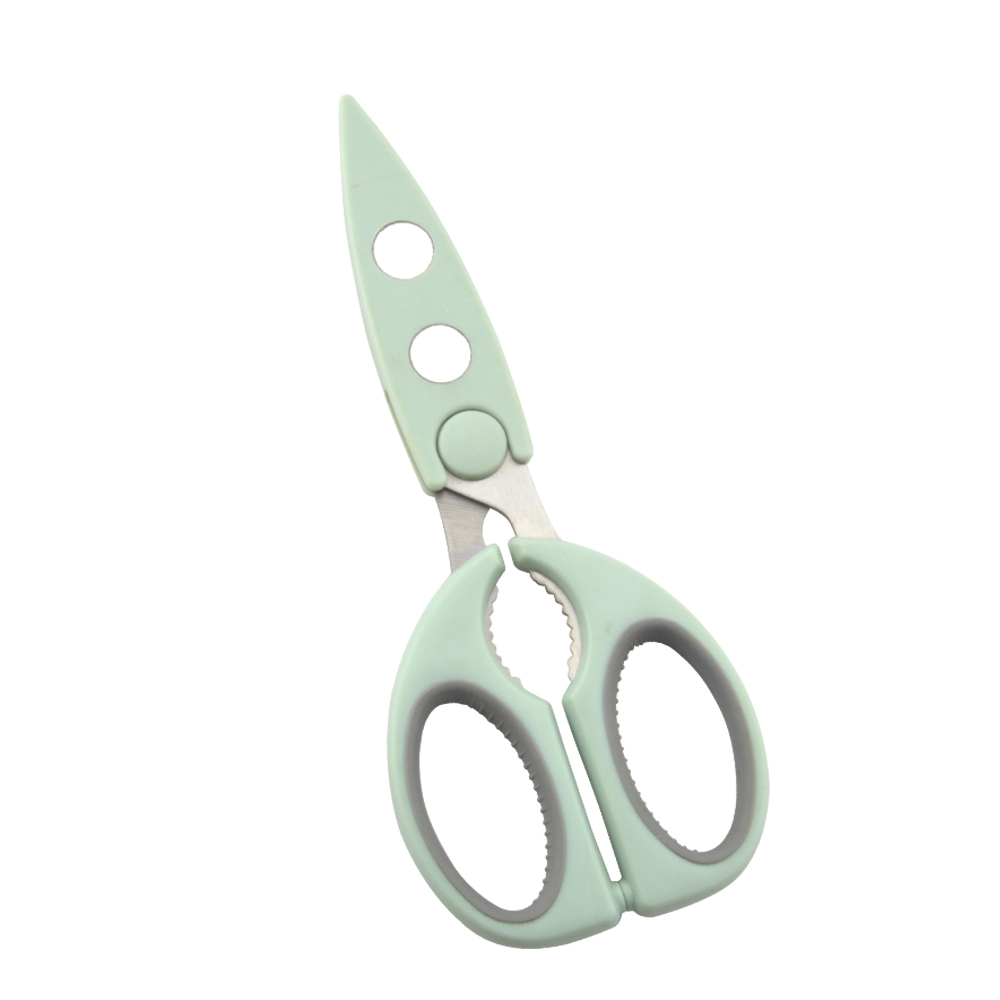
Maximize Efficiency with OEM Kitchen Scissors
OEM kitchen scissors can be a practical product category for importers, kitchenware brands, promotional buyers, and wholesale distributors. They are small enough for efficient retail display, useful across many cooking tasks, and suitable for private-label development when the buyer has clear requirements. However, a good sourcing decision is not based on appearance alone. Buyers need to review safety, usability, packaging, branding options, and supplier communication before confirming an order.
The original product discussion highlighted several useful themes: OEM customization, kitchen scissors with a protective cover, Yangjiang manufacturing resources, and the need to choose the right kitchen scissors manufacturer. This rewritten guide expands those points into a more complete B2B sourcing framework. It does not assume unverified specifications, certifications, prices, or production capacity. Instead, it focuses on the practical questions buyers should ask before selecting a supplier.
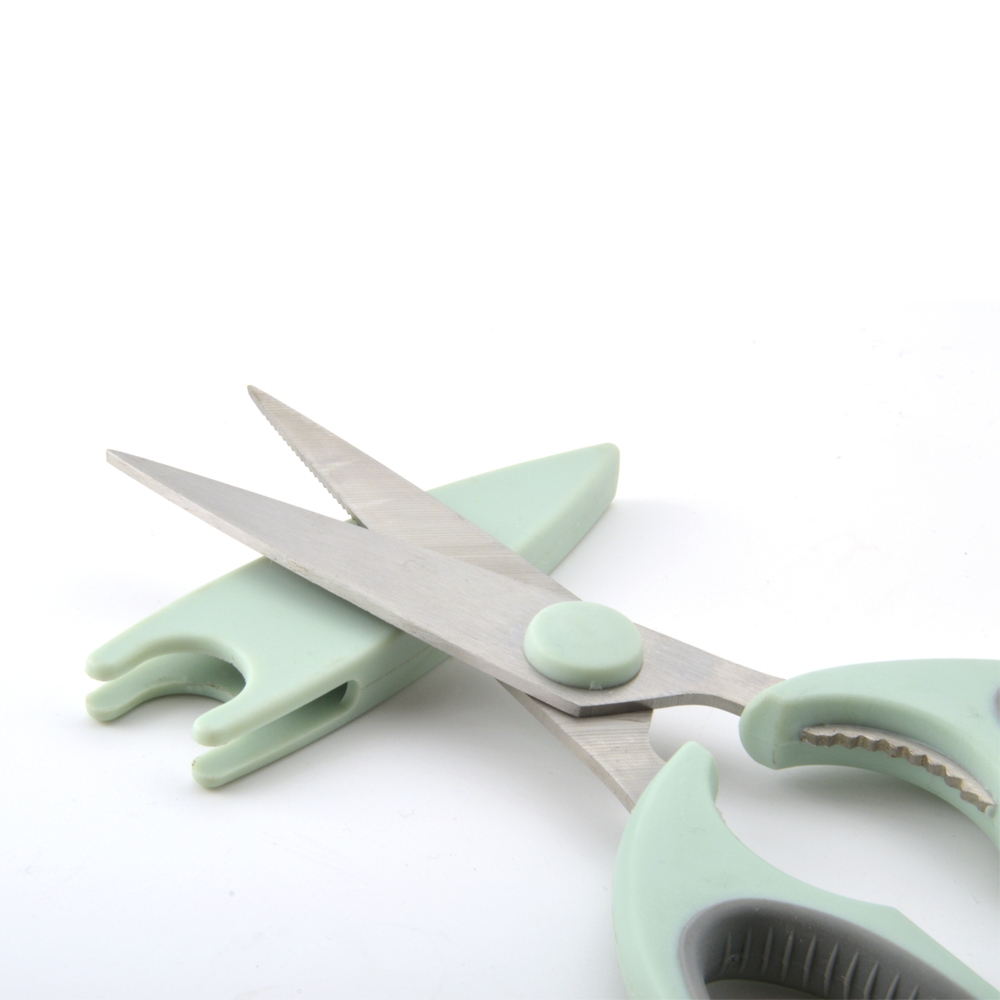
Key Takeaways
- OEM kitchen scissors should be evaluated by function, safety, comfort, packaging, and long-term brand fit.
- A cover or sheath can support safer storage and cleaner presentation, but buyers should check fit, material, and durability.
- When sourcing from a Yangjiang kitchen scissors factory or other supplier, ask direct questions about materials, tolerances, testing, lead time, and inspection procedures.
- Do not rely only on catalogue photos. Request samples and compare them against your target market requirements.
- Clear artwork, packaging files, and quality standards reduce misunderstandings in OEM and private-label orders.
Why OEM Kitchen Scissors Are Worth Careful Evaluation
Kitchen scissors are often treated as simple accessories, but they can influence how customers judge a kitchenware brand. A pair that cuts smoothly, stores safely, and feels comfortable can become a frequently used item. A pair that feels loose, dull, or uncomfortable can create returns, negative reviews, or complaints from distributors.
For OEM buyers, the sourcing challenge is to define what the product must do before discussing logos or packaging. Common use cases may include cutting herbs, trimming food packaging, preparing poultry, or handling general kitchen tasks. Not every design is suitable for every use, so buyers should confirm intended applications with the supplier and avoid assuming functions that have not been specified.
Customization may include handle color, logo placement, packaging design, and possibly accessory combinations. The available options depend on the supplier, tooling, order quantity, and production arrangement. A reliable kitchen scissors manufacturer should be able to explain which parts are standard, which require custom development, and which changes may affect cost or lead time.
Kitchen Scissors With Cover: Safety and Storage Considerations
The original article noted the value of kitchen scissors with cover for safety and convenience. This is an important point for both retail and wholesale buyers. A protective cover can help reduce contact with the blades during storage, make the item easier to place in a drawer, and improve the product's shelf presentation.
Still, not every cover offers the same user experience. Buyers should check whether the cover stays in place during normal handling, whether it is easy to remove, and whether the fit remains stable after repeated use. If the product is intended for supermarkets, gift sets, or online retail, the cover also affects packaging size and visual presentation.
Before confirming a covered design, ask the supplier these questions: What cover material is used? Is the cover a standard part or custom part? Can it be color matched with the handle? Does the cover protect the blade tips fully? How is the product secured inside the retail package? These details are small, but they can affect customer satisfaction and complaint rates.
What to Ask a Yangjiang Kitchen Scissors Factory
Yangjiang is widely known as a cutlery and kitchen tool manufacturing area, and many buyers search for a Yangjiang kitchen scissors factory when comparing suppliers. Regional experience can be useful, but location alone is not a quality guarantee. Buyers should still verify the supplier's product range, communication quality, sampling process, and ability to meet the buyer's market expectations.
A practical supplier discussion should include specific questions rather than broad requests for a quote. Ask what blade materials are available, what handle materials are available, what surface finishes can be produced, and whether the factory can provide samples before bulk production. If the scissors need to be sold in a regulated market, ask what documents, tests, or compliance information the supplier can provide. Do not assume compliance unless it is documented and relevant to your market.
It is also useful to ask how the supplier controls consistency between samples and mass production. A pre-production sample, approved packaging mock-up, and written inspection criteria can prevent disputes. For wholesale buyers, a product that looks acceptable in a photo may still fail expectations if blade alignment, screw tightness, handle molding, or cover fit varies across a shipment.
Comparison Checklist for OEM Kitchen Scissors Buyers
The table below can help buyers compare suppliers in a structured way before placing an OEM or wholesale order.
| Evaluation Area | What to Check | Questions to Ask the Supplier |
|---|---|---|
| Blade performance | Cutting feel, alignment, edge consistency, intended use | What materials and blade finishes are available? Can samples be tested before order confirmation? |
| Handle comfort | Grip shape, hand fit, surface texture, color options | Are handle colors standard or custom? Are there tooling limits for new handle designs? |
| Protective cover | Fit, retention, blade coverage, ease of removal | Is the cover included as a standard accessory? Can the cover color or branding be customized? |
| Packaging | Retail display, barcode space, instruction needs, shipping protection | What packaging formats are available? Can the supplier work with buyer-provided artwork? |
| Quality control | Sample approval, inspection criteria, defect handling | What inspection steps are used before shipment? Can third-party inspection be arranged? |
| Commercial terms | MOQ, lead time, payment terms, production schedule | What is the MOQ for standard and customized versions? What affects lead time? |
How to Choose the Right Kitchen Scissors Manufacturer
Choosing a kitchen scissors manufacturer should begin with product fit, not only price. A lower unit price may not be the best option if the product requires additional inspection, repacking, or replacement. Buyers should compare total sourcing risk, including communication accuracy, sample reliability, packaging quality, and shipment consistency.
Start with a written product brief. Include target retail channel, intended users, preferred color direction, packaging requirements, logo position, and any market-specific requirements. If you need kitchen scissors with cover, state whether the cover is for safety, display, hygiene, or storage. This helps the supplier recommend a suitable existing model or explain whether custom development is necessary.
Sample testing is essential. Test the scissors in realistic kitchen tasks and check whether the product remains comfortable after repeated use. Review how the scissors open and close, whether the cover fits securely, and whether the packaging protects the item during handling. If your business sells online, consider how the product will look in photos and how it will arrive after parcel shipping.
OEM Branding and Packaging Points to Clarify
OEM kitchen scissors often involve logo application and retail packaging. Buyers should confirm artwork requirements early, including file format, color references, print area, and approval process. If the product will use private-label packaging, ask for dielines or packaging templates before finalizing design work.
Important branding and packaging checks include:
- Confirm whether logo placement is on the handle, blade, cover, package, or a combination of these areas.
- Ask whether the supplier can provide a pre-production sample with the approved logo and packaging.
- Check whether product instructions or warnings are needed for your sales market.
- Confirm carton packing details, shipping marks, and barcode placement before production.
- Define acceptable color variation and packaging defect limits in writing.
These steps may feel detailed, but they reduce the risk of receiving products that are technically usable yet unsuitable for retail sale.
Practical FAQ for OEM Kitchen Scissors Sourcing
What should I check first when sourcing OEM kitchen scissors?
Start with intended use, target market, and required packaging. Then request samples and evaluate cutting feel, handle comfort, cover fit, and overall finish before discussing bulk order details.
Are kitchen scissors with cover better for wholesale programs?
They can be a good option because the cover supports safer storage and can improve retail presentation. Buyers should still test whether the cover fits securely and works well with the planned packaging.
Can a supplier customize color and logo?
Many OEM suppliers offer some customization, but available options depend on the model, materials, printing method, tooling, and order quantity. Ask the supplier to confirm what is standard and what requires additional development.
How should I compare a Yangjiang kitchen scissors factory with other suppliers?
Compare samples, communication, documentation, packaging support, inspection process, and commercial terms. Manufacturing location can be helpful, but supplier performance should be verified through evidence and sample testing.
What information should I request before placing an order?
Ask for product specifications, sample terms, MOQ, lead time, packaging options, logo methods, inspection standards, payment terms, and any documents needed for your sales market. Keep all approved details in writing.
Final Buying Advice
OEM kitchen scissors are a practical product category, but successful sourcing depends on clear requirements and careful supplier evaluation. Buyers should avoid vague requests such as asking for the cheapest model without defining the target user, packaging channel, and quality expectations. A better approach is to compare samples, document requirements, and ask focused questions about customization, covers, inspection, and delivery.
Whether you are reviewing a Yangjiang kitchen scissors factory, a trading partner, or another kitchen scissors manufacturer, the goal is the same: select a product that performs reliably, presents well, and fits your brand's sales channel. With a structured checklist and realistic sample testing, buyers can make better decisions and reduce avoidable sourcing problems.
