




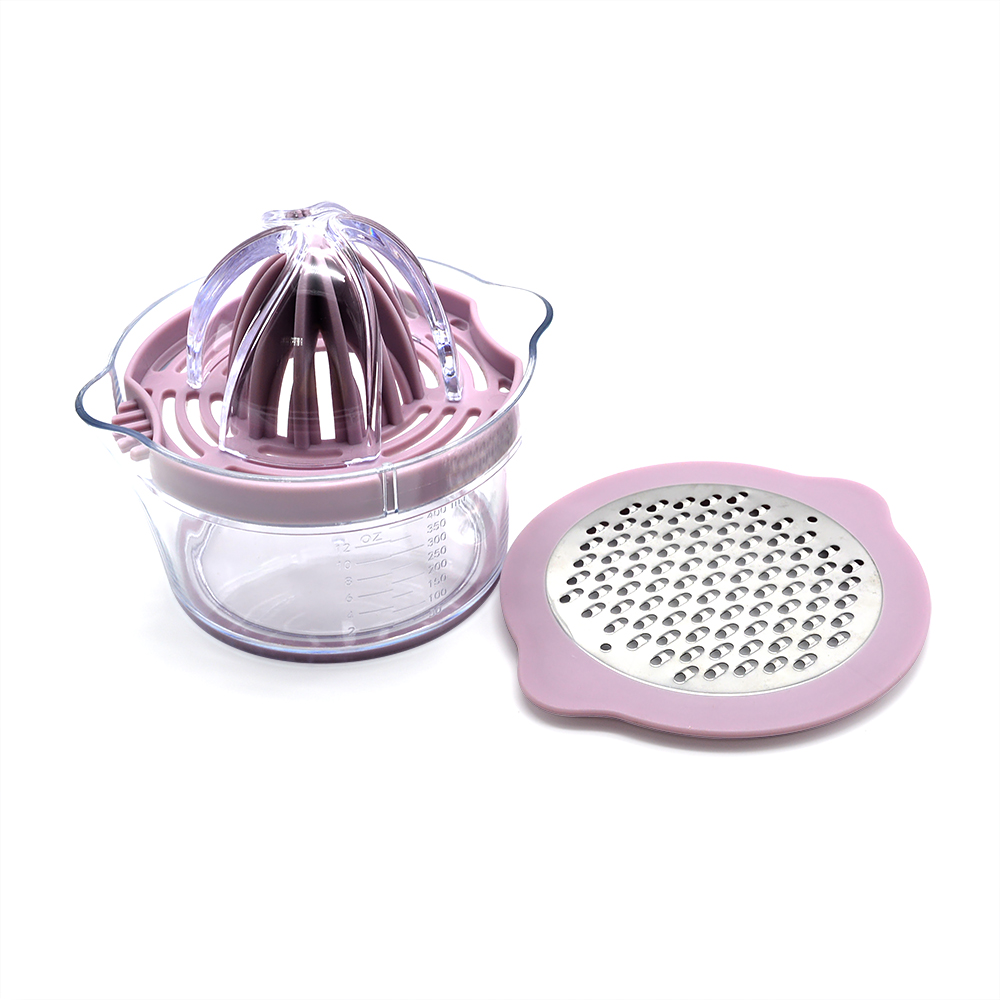
Juicer with Multiple Functions: How to Choose and Use One Well
A juicer with multiple functions can make fresh juice easier to prepare without filling the kitchen drawer with separate tools. For many households, the most practical option is a manual citrus juicer designed for oranges, lemons, limes, grapefruits, and recipe prep. The right model can help you extract juice, control portions, reduce mess, and prepare ingredients for drinks, sauces, marinades, desserts, and breakfast routines.
This guide focuses on practical selection and use. Instead of treating every juicer as the same, it explains which functions matter, when a manual juicer is enough, and when you may want a larger electric appliance. If you are shopping for a kitchen tool for daily citrus use, pay close attention to fruit-size compatibility, measuring convenience, stability, cleaning, and storage.
Key Takeaways
- A multifunction citrus juicer is most useful when it handles different citrus sizes and supports measuring or pouring.
- Manual juicers are simple, quiet, portable, and do not require electricity, but they are best for citrus rather than hard fruits or vegetables.
- Look for practical details such as a comfortable reamer, stable base, visible measurement marks, and easy-to-clean parts.
- Do not assume dishwasher safety, material grade, or capacity unless the supplier or product label clearly states it.
What “Multiple Functions” Means in a Juicer
In a citrus juicer, multiple functions usually refer to more than squeezing fruit. A useful design may help with different fruit sizes, juice collection, measurement, seed separation, controlled pouring, and easy cleaning. Some manual models use a two-level or dual-size reamer so you can switch between larger citrus fruits such as grapefruit and smaller fruits such as limes without changing to another tool.
A built-in measuring container is another practical feature. It helps when following recipes for cocktails, mocktails, salad dressings, marinades, lemon tea, or baking. Instead of squeezing into one bowl and measuring in another cup, you can check the amount as you work. This saves time and reduces washing up.
Other designs may include a non-slip or stable base, a spout, a strainer area, or a compact shape for storage. These details sound small, but they affect whether the juicer is pleasant to use every morning or left unused in a cabinet.
Manual Citrus Juicer vs. Electric Juicer
A manual citrus juicer is not meant to replace every type of juicing machine. It is a focused tool for citrus fruits. If your main goal is orange juice, lemon juice, lime juice, or grapefruit juice, it may be the most efficient choice. If you want to juice carrots, apples, celery, leafy greens, or make smoothies, an electric juicer or blender combination may be more suitable.
| Feature | Manual Multifunction Citrus Juicer | Electric Juicer or Blender Combo |
|---|---|---|
| Best for | Citrus fruits, small batches, recipes, drinks | Broader fruit and vegetable processing |
| Power needed | No electricity required | Requires electricity |
| Noise | Very quiet | Usually louder |
| Cleaning | Often fewer parts, but confirm care instructions | More components to rinse and dry |
| Storage | Compact for drawers or shelves | Needs counter or cabinet space |
| Portion control | Good if measuring marks are included | Depends on container design |
For many kitchens, both tools can coexist. A manual juicer is convenient for a lemon over grilled fish or a measured amount of lime juice for a dressing. An electric unit makes sense when you regularly prepare larger batches or non-citrus juices.
How to Choose a Multifunction Juicer
Before buying, think about how you will actually use the juicer. A tool that works well for occasional lemon juice may not be ideal for daily breakfast orange juice. Use the checklist below to compare options without relying only on appearance.
- Fruit compatibility: Check whether the reamer shape suits the citrus fruits you use most often, such as lemons, limes, oranges, or grapefruit.
- Dual-size or layered reamer: If available, this can reduce the need for separate tools when switching between small and large citrus fruits.
- Measuring marks: Useful for recipes, diet tracking, drinks, and consistent flavor.
- Seed and pulp control: Look for a design that helps keep seeds out while letting you decide how much pulp to keep.
- Stability: A steady base helps reduce slipping when pressing fruit.
- Pouring design: A shaped spout or easy-grip container can reduce spills.
- Cleaning instructions: Confirm whether parts are hand-wash only or dishwasher safe; do not assume.
- Storage: Consider whether the juicer fits your drawer, shelf, travel bag, or small kitchen.
Getting More Juice from Citrus Fruit
Good technique matters as much as the tool. Start with fresh, ripe citrus. Fruit that feels heavy for its size often contains more juice. If the fruit has been refrigerated, let it sit at room temperature for a short time before squeezing, or roll it gently on the counter with your palm. This helps loosen the internal membranes.
Cut the fruit across the middle rather than from stem to end. Place the cut side over the reamer and press while rotating. Avoid excessive force that crushes bitter pith into the juice. If your juicer includes measurement markings, stop and check the level as you work, especially when preparing recipes that depend on acidity balance.
For drinks, strain again if you prefer a smoother texture. For cooking, some pulp can be useful because it adds body and aroma. Taste before adding sugar or salt; citrus varies widely in sweetness and acidity.
Everyday Uses Beyond a Glass of Juice
A multifunction juicer is valuable because citrus juice is used in many small amounts. Fresh lemon or lime juice can brighten vegetables, soups, noodles, seafood, chicken, and beans. Orange juice can be used in breakfast sauces, glazes, vinaigrettes, and desserts. Grapefruit juice works in spritz-style drinks and fruit salads.
For recipe consistency, measuring marks are especially helpful. A tablespoon more lemon juice can change a dressing from balanced to sharp. A measured amount of lime juice can make mocktails easier to repeat. If you prepare food for children, guests, or special diets, being able to see the quantity also helps you adjust portions more carefully.
Cleaning, Care, and Storage
Citrus juice contains acid and natural sugars, so rinse the juicer soon after use. Dried pulp can cling to the reamer and strainer areas, making cleaning harder later. Use warm water and mild dish soap unless the product instructions say otherwise. If the manufacturer states that parts are dishwasher safe, place them as directed; if not, hand washing is the safer assumption.
Dry the juicer fully before storing it to help avoid odors and water spots. Store parts together so the reamer and container do not get separated. If the juicer has measurement marks, avoid abrasive scrubbers that could make markings harder to read over time. Also avoid using the tool for tasks it was not designed for, such as crushing hard ingredients, unless the supplier specifically states that it can do so.
Questions to Ask Before Buying
Product descriptions can be brief, so it is reasonable to ask the seller or supplier for clarification. Useful questions include: What fruits is the juicer designed for? Are the measurement marks molded, printed, or otherwise applied? What is the care method? Are any parts removable? Does the base include an anti-slip feature? What are the product dimensions for storage? If you need the juicer for business gifting, hospitality, or resale, also ask about packaging, labeling options, available colors, order quantities, and documentation, rather than assuming these details.
FAQ
Can one manual juicer handle lemons, limes, oranges, and grapefruit?
Some manual citrus juicers are designed for multiple fruit sizes, especially those with a dual-size or layered reamer. Always check the product description to confirm the intended fruit range.
Is a manual juicer better than an electric juicer?
It depends on your use. A manual juicer is simple, quiet, and convenient for citrus. An electric juicer is better if you need larger batches or want to process non-citrus fruits and vegetables.
Do measuring marks really matter?
Yes, if you cook or mix drinks. Measuring marks help you follow recipes, repeat flavors, and avoid using extra measuring cups.
How should I clean a citrus juicer?
Rinse it soon after use, wash with mild soap, and dry it before storage. Only use a dishwasher if the product instructions confirm that the relevant parts are dishwasher safe.
What is the main limitation of a manual citrus juicer?
It is mainly designed for citrus fruit. For carrots, apples, leafy greens, or smoothies, choose an appliance designed for those ingredients.
