




Measuring Cup Factory: Precision and Practical B2B Sourcing
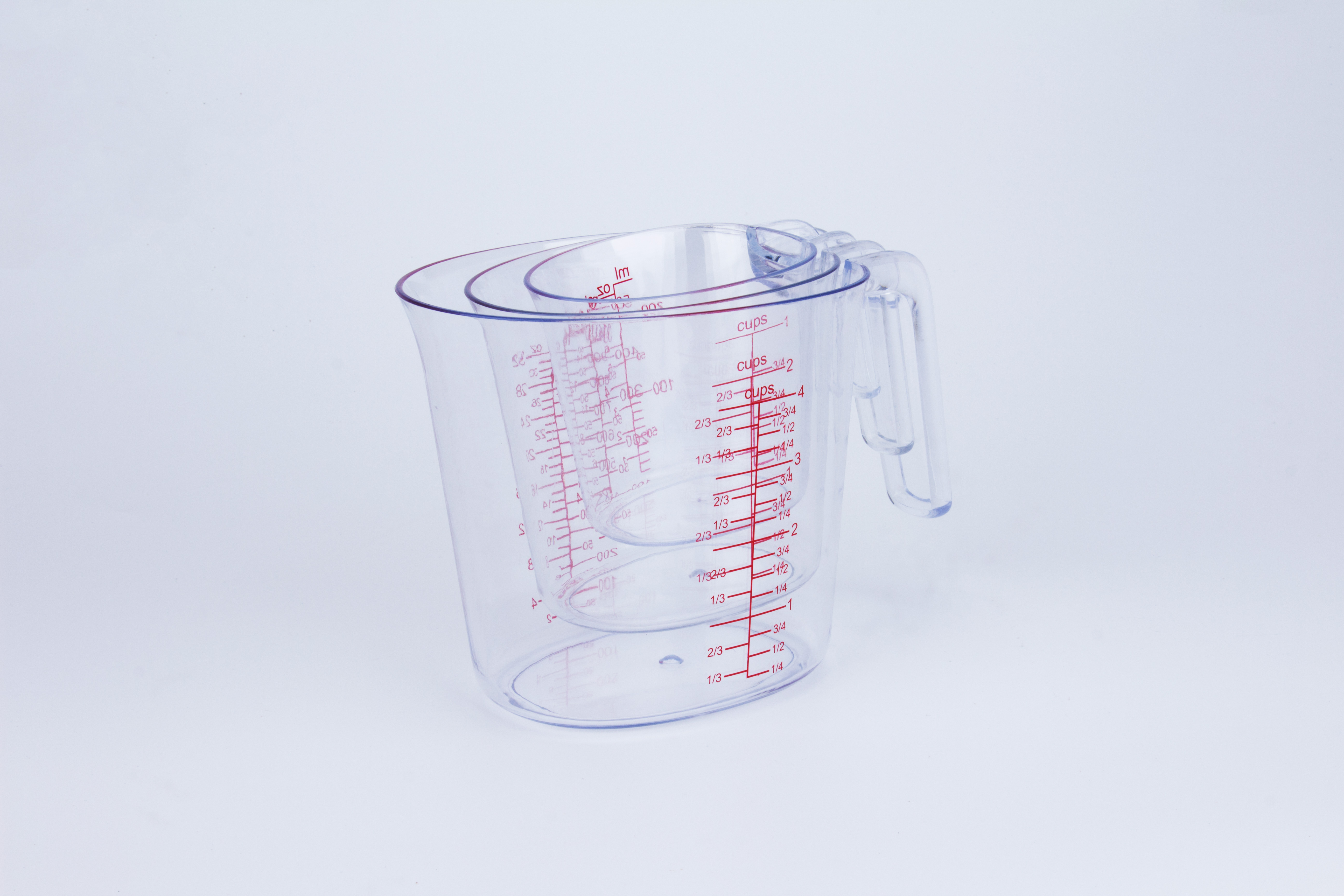
For retailers, distributors, kitchenware brands, and promotional product buyers, choosing a measuring cup factory is not only about finding an attractive product. Measuring cups must be easy to read, comfortable to handle, suitable for food-contact use, and consistent enough to support repeat orders. The original Gradient Amber Measuring Cup Set was introduced as a three-piece plastic set with amber tint, clear measuring lines in milliliters and fluid ounces, ergonomic handles, stackable storage, and dishwasher-safe convenience. This guide turns those product points into a practical sourcing framework for B2B buyers.
Key Takeaways
- Accuracy, readable markings, and durable construction are the main quality checks for measuring cups.
- The Gradient Amber Measuring Cup Set is positioned as a three-cup plastic set with amber color, stackable design, ergonomic handles, and dishwasher-safe use.
- Buyers should ask suppliers to confirm material details, food-contact documentation, packaging options, marking durability, and order terms.
- A good factory discussion should cover samples, inspection standards, customization limits, and after-sales communication before bulk ordering.
What a Measuring Cup Factory Should Get Right
A measuring cup seems simple, but small production details can affect buyer satisfaction. The cup body should be stable on a flat surface, the handle should feel secure during pouring, and the measurement scale should be visible under normal kitchen lighting. In plastic measuring cup production, molding consistency matters because warped rims, uneven bases, and poorly finished handles can lead to returns or customer complaints.
For B2B sourcing, buyers should also look beyond the first impression. Ask how the supplier controls line clarity, how markings are applied or formed, and whether the same appearance can be maintained across future production runs. If the measuring cup will be sold under a private label or placed in a retail set, consistency between samples and mass production is especially important.
Product Focus: Gradient Amber Measuring Cup Set
The Gradient Amber Measuring Cup Set is described as a trio of plastic measuring cups with an amber-tinted look. The set includes milliliter and fluid ounce measurement lines, ergonomic handles for easier pouring, a stackable structure for storage, and dishwasher-safe cleanup. These are useful features for everyday cooking environments because users often need quick measuring, easy handling, and compact storage.
From a buyer perspective, the amber appearance can help differentiate the set from plain transparent measuring cups. However, color should never reduce usability. When reviewing samples, check whether the measurement lines remain easy to read when the cup is empty, filled with water, and filled with darker ingredients. A product can look appealing, but if the scale is hard to read, it may not meet consumer expectations.
Comparison and Buyer Checklist
Use the following checklist when comparing a measuring cup supplier or factory. It helps convert product descriptions into practical verification steps before placing an order.
| Evaluation Point | What to Check | Questions to Ask the Supplier |
|---|---|---|
| Material | Plastic quality, food-contact suitability, clarity, and odor | What material is used, and what documentation can be provided for the target market? |
| Measurement markings | Milliliter and fluid ounce lines, readability, and durability | How are the markings made, and how is marking accuracy inspected? |
| Design | Amber tint, ergonomic handles, stackable storage | Can the design be maintained consistently during repeat production? |
| Cleaning | Dishwasher-safe use as stated in the product description | Are there recommended temperature or cleaning limitations buyers should communicate? |
| Packaging | Retail box, labels, barcode placement, protective packing | What packaging options are available, and can artwork be reviewed before production? |
| Commercial terms | Samples, lead time, MOQ, customization, inspection | What are the current order requirements, sample policy, and production timeline? |
Accuracy, Markings, and User Experience
Measuring cups are purchased for accuracy, so buyers should pay close attention to the scale. The original description highlights measuring lines in both milliliters and fluid ounces. That dual-scale format is useful for international recipes and export channels, but it also requires clear layout. Crowded markings can confuse users, while faint markings may fade into the cup color.
Before approving bulk production, request samples and test them with common kitchen tasks. Fill the cup to several marked levels, compare the reading against a reference tool, and observe whether liquid meniscus and cup tint affect visibility. Also check pouring performance. A comfortable handle and stable rim reduce spills, which matters for home cooks, baking enthusiasts, and commercial kitchen users alike.
Material and Safety Questions to Ask
The original article mentions premium BPA-free materials and food-contact safety. Buyers should still request current documentation from the supplier rather than relying only on marketing text. Requirements vary by destination market, sales channel, and retailer policy, so it is important to confirm what certificates, declarations, or test reports are available for the exact product and material being ordered.
Useful questions include: What plastic material is used? Is the BPA-free claim supported by documentation? Is the product intended for hot liquids, cold ingredients, dry ingredients, or general measuring use? Are there dishwasher temperature limits? Can the factory provide material traceability for each batch? These questions help buyers reduce risk and prepare accurate product pages, labels, and customer instructions.
OEM, Private Label, and Packaging Considerations
If you are sourcing measuring cups for wholesale or OEM projects, customization may be as important as the cup itself. Ask whether the supplier can support logo placement, color adjustment, retail packaging, instruction inserts, or barcode labels. Do not assume every customization is available for every order size; minimum order quantities, tooling needs, and artwork requirements should be confirmed directly with the factory.
Packaging is also a practical quality issue. Stackable measuring cups help save kitchen storage space, and they can also reduce shipping volume when packed efficiently. However, the cups still need protection against scratches and pressure marks during transit. For retail sales, packaging should show the set contents clearly and avoid making unsupported claims. For online sales, ask whether the supplier can recommend packing methods that reduce damage in parcel delivery.
How to Evaluate Samples Before Ordering
- Inspect the cup body for scratches, bubbles, rough edges, uneven color, or unstable bases.
- Check that all three cups in the set stack smoothly without sticking too tightly.
- Read the milliliter and fluid ounce markings under bright and normal lighting.
- Test the handle grip with water inside the cup and pour slowly to check control.
- Wash the sample according to the supplier’s recommended care instructions and review any change in appearance.
- Compare the sample with packaging artwork, product descriptions, and sales channel requirements.
Document your findings with photos and written comments. Clear feedback helps the supplier correct issues before mass production and creates a shared reference for final inspection.
FAQ
What should buyers prioritize when choosing a measuring cup factory?
Prioritize readable measurement markings, consistent molding, suitable material documentation, comfortable handling, and reliable communication. Price matters, but unclear specifications can create bigger costs later.
Is the Gradient Amber Measuring Cup Set suitable for private label projects?
It may be suitable, but buyers should ask the supplier about available logo, packaging, and color options. Confirm MOQ, artwork requirements, sample fees, and production lead time before planning a launch.
What product details should be confirmed before publishing online listings?
Confirm the set count, measurement units, material description, care instructions, dishwasher-safe guidance, packaging contents, and any safety or BPA-free claims with supplier documentation.
How can buyers check measuring line quality?
Review physical samples, compare multiple fill levels with a reference measure, check readability with different ingredients, and ask how the factory controls marking accuracy during production.
Should buyers request third-party testing?
For many retail channels and export markets, testing may be required or recommended. Ask the supplier what existing documents are available, then decide whether additional testing is needed for your market.
