




Measuring Cup Factory: How to Source Reliable Measuring Jugs
Choosing a measuring cup factory is not only about finding a low unit price. For importers, wholesalers, promotional buyers, and kitchenware brands, the better question is whether a supplier can consistently deliver measuring tools that are practical, readable, well packed, and suitable for the target market. Measuring cups and jugs are simple products at first glance, but small details such as handle comfort, base stability, marking visibility, and pouring control can affect customer satisfaction.
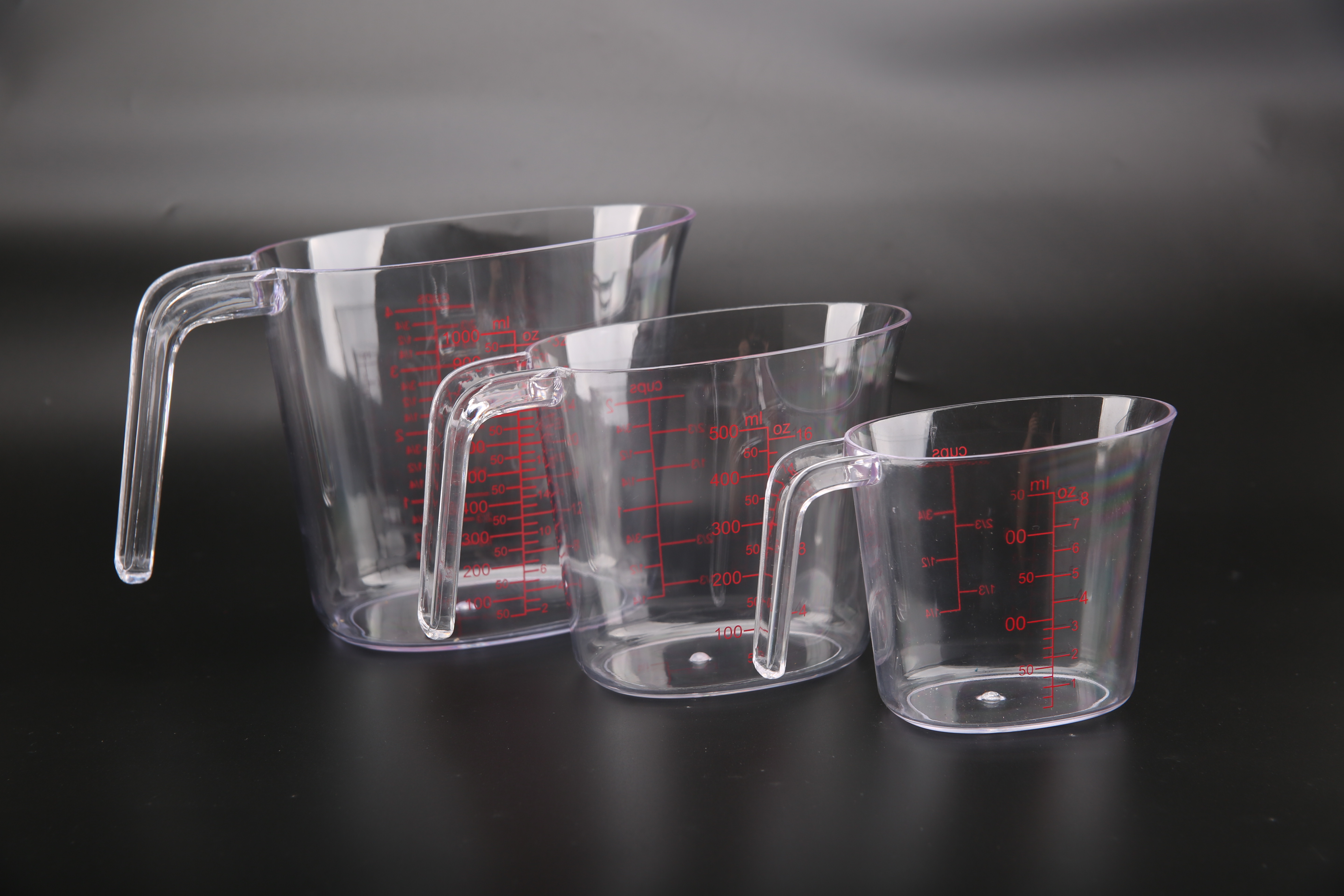
The original Bonet Houseware article introduced the importance of precision, durable materials, readable markings, and thoughtful design. This rewritten guide expands that idea into a practical sourcing checklist for buyers evaluating a manufacturer of measuring cups, including the Gradient Amber Measuring Jug Set mentioned in the original article, available in 1000ml, 500ml, and 250ml sizes with metric and imperial measurement markings.
Key Takeaways
- Measure supplier quality by consistency, not only by sample appearance.
- Confirm marking method, readability, and resistance to normal handling before bulk orders.
- Ask direct questions about materials, packaging, inspection processes, and customization options.
- For sets such as 1000ml, 500ml, and 250ml measuring jugs, check nesting, carton protection, and barcode or label requirements.
What Buyers Should Look for in a Measuring Cup Factory
A capable measuring cup factory should understand both kitchen use and wholesale requirements. For daily kitchen use, the product should be easy to grip, stable when placed on a countertop, and convenient to pour from. For B2B sourcing, the factory should also be able to communicate clearly about materials, tooling, packaging, order lead time, labeling, and pre-shipment inspection.
When speaking with a supplier, avoid relying only on broad claims such as “high quality” or “durable.” Instead, request details. Ask what material options are available, how measurement markings are applied, whether the handle design has been reviewed for comfort, and what type of carton packing is recommended for international transport. If compliance documents, test reports, or certificates are needed for your market, ask what the supplier can provide and verify the documents independently.
Product Details Worth Checking Before an Order
Measuring cups are judged by details. A wide base can help reduce tipping, while a well-shaped handle can make the jug easier to control when full. A pouring spout should support clean transfer of liquid or dry ingredients, especially for baking, food preparation, and household use. Markings should be easy to read from a normal working angle and should match the measuring system required by the target market.
The Gradient Amber Measuring Jug Set in the source article is described as a trio of 1000ml, 500ml, and 250ml sizes, with a rich amber hue and clearly printed metric and imperial measurements. Those are useful buying points, but buyers should still confirm practical details before ordering: how the color is produced, whether the markings are printed or molded, how the three pieces are packed, and whether the set is intended for retail display, e-commerce shipment, or bulk wholesale distribution.
Plastic Measuring Cup Production: Questions to Ask
The original article refers to modern plastic measuring cup production and emphasizes clear markings, resistance to wear, and a drip-free spout. For a sourcing project, those ideas should be converted into inspection questions. Ask the factory to explain the production process in plain language and provide samples from normal production where possible, not only hand-selected showroom samples.
Useful supplier questions include: What material options are available for this measuring jug? Are the measurement markings printed, engraved, molded, or applied by another method? How is marking accuracy controlled? Can the factory provide a production sample before mass production? What visual defects are considered unacceptable? How are scratches, color variation, burrs, and deformation handled during inspection? These questions help buyers move from a decorative product description to a clearer purchasing decision.
Comparison and Sourcing Checklist
| Item to Review | Why It Matters | Questions for the Supplier |
|---|---|---|
| Measurement markings | Unreadable or inaccurate markings reduce product value. | Are markings metric, imperial, or both? How is accuracy checked? |
| Handle and base design | Comfort and stability affect everyday usability. | Can you provide photos or samples showing grip and base width? |
| Pouring spout | A poor spout can cause dripping and waste. | Has the spout shape been reviewed for controlled pouring? |
| Material options | Different markets and price points may require different materials. | What material is used, and what documents can support that claim? |
| Color and finish | Color consistency matters for retail sets. | How is the amber color controlled between production batches? |
| Packaging | Measuring jugs can be scratched or damaged in transit. | What packing method is recommended for wholesale or e-commerce? |
| Quality inspection | Consistent inspection reduces after-sales problems. | What checks are performed before shipment, and can reports be shared? |
Evaluating a Sample Before Bulk Production
A sample review should go beyond appearance. Fill each size with water to see whether the jug sits level, whether the handle feels secure, and whether the spout pours cleanly. Check whether the printed metric and imperial markings are easy to see against the amber color. If the measuring jug set includes 1000ml, 500ml, and 250ml pieces, test all three sizes because smaller and larger molds may have different handling characteristics.
Buyers should also review retail presentation. If the product will be sold as a set, ask whether the jugs nest together, whether labels cover important markings, and whether the packaging protects the surface from rubbing. If the product is for online retail, consider a drop-resistant packing approach and ask the supplier what packaging has been used for similar shipping conditions. Do not assume the same carton works for every sales channel.
OEM, Wholesale, and Branding Considerations
For OEM or private label projects, clarify branding early. Measuring cups may allow logo placement, custom colors, customized packaging, or different measuring scales, but these details depend on tooling, artwork, production method, and order requirements. Buyers should ask what customization is possible, what files are needed, whether there are additional tooling or printing costs, and what the approval process looks like.
It is also important to define commercial terms without guessing. Ask about minimum order quantity, sample cost, production lead time, payment terms, export packing, and responsibility for freight documentation. If you require barcodes, carton marks, instruction inserts, multilingual packaging, or retail hang tags, list those items in the inquiry. Clear specifications reduce misunderstandings between the buyer and the measuring cup factory.
How to Write a Clear Inquiry to a Manufacturer
A strong sourcing inquiry saves time for both sides. Instead of asking only for a catalog and price, provide a short but complete brief. Include the product type, target size range, color preference, measurement systems, packaging style, destination market, estimated order quantity, and any document requirements. If you are interested in a gradient amber measuring jug set, mention the desired 1000ml, 500ml, and 250ml sizes and ask whether the supplier can provide metric and imperial markings.
- Request current product photos, dimensions, and available colors.
- Ask for sample availability and sample preparation time.
- Confirm whether markings are metric, imperial, or dual scale.
- Ask for packing details, carton dimensions, and gross weight.
- Request information about quality control steps before shipment.
Practical FAQ
What is the most important feature in a measuring cup for wholesale sourcing?
Readable and reliable measurement markings are usually the first priority. A good-looking jug that is difficult to read will create customer complaints, especially for baking and recipe use.
Should I choose metric, imperial, or both measurement systems?
That depends on your market. The product in the original article is described as having metric and imperial measurements, which can be useful for broader retail appeal. Always confirm the exact scale layout on samples.
How can I verify a factory’s quality before placing a large order?
Start with samples, review the marking clarity and pouring performance, then ask about inspection standards. For larger orders, consider a pre-shipment inspection based on your agreed checklist.
Can a measuring cup factory make private label packaging?
Many suppliers may offer packaging options, but buyers should ask directly. Confirm artwork format, costs, lead time, labeling rules, and whether the packaging suits retail shelves or e-commerce shipping.
What should I avoid when sourcing measuring jugs?
Avoid vague specifications. If you do not define material expectations, marking type, color, packaging, and inspection criteria, the supplier may quote a product that does not match your sales channel or customer expectations.
