




Measuring Cup Factory: How to Source Precision Kitchenware
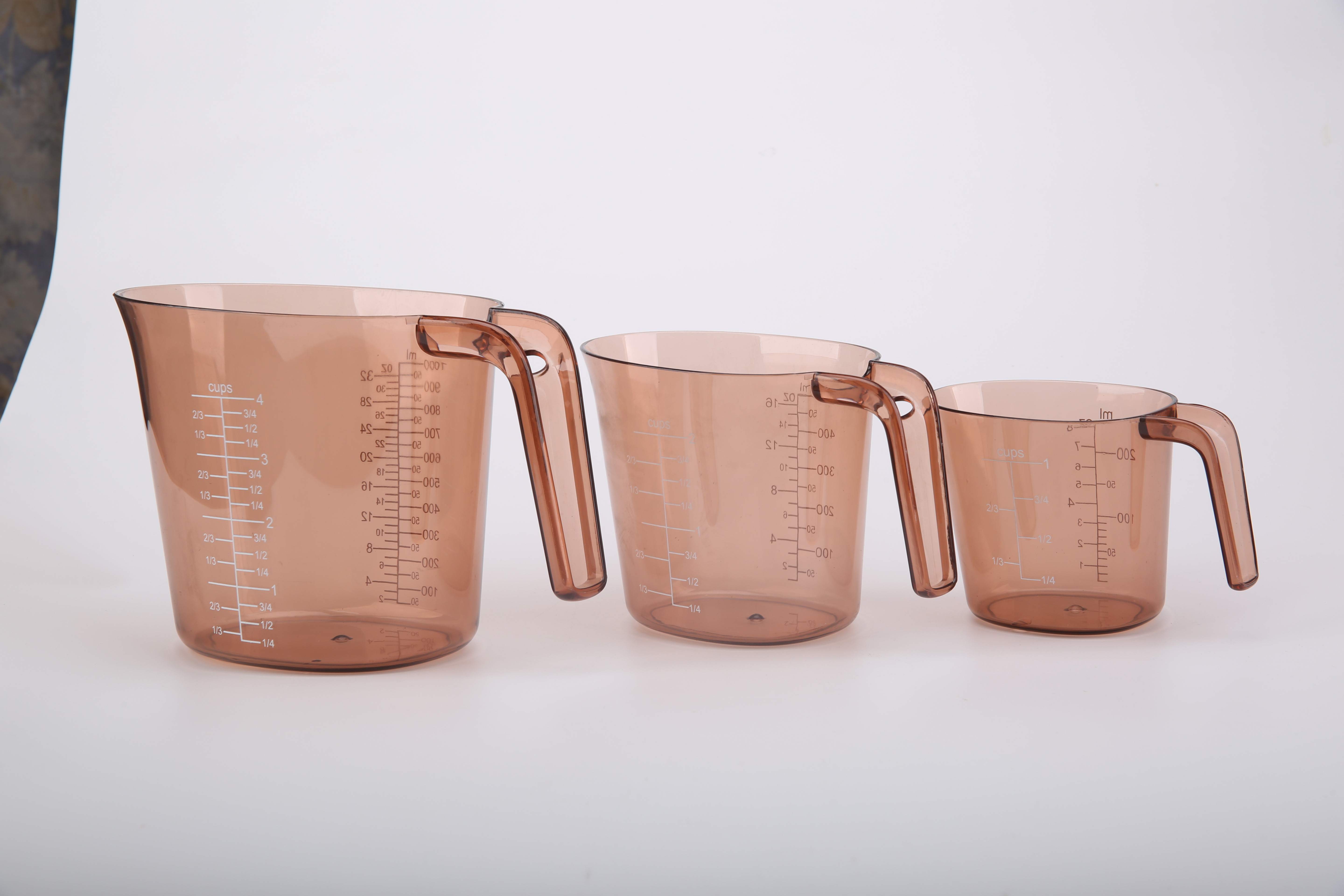
For retailers, distributors, promotional product buyers, and kitchenware brands, choosing a measuring cup factory is not only about finding a container with volume marks. A good measuring jug must be easy to read, comfortable to hold, controlled when pouring, and consistent enough for daily kitchen use. The original product described is an amber-toned transparent measuring jug with dual milliliter and ounce markings, an ergonomic handle, and a wide spout designed to reduce spills. Those details are useful starting points for sourcing, but professional buyers should also evaluate manufacturing consistency, packaging, communication, and customization options before placing an order.
This guide explains how to assess plastic measuring cups from a B2B sourcing perspective without relying on vague claims. Use it as a checklist when comparing suppliers, requesting samples, or preparing an OEM inquiry.
Key Takeaways
- Look beyond appearance: readability, grip comfort, pouring control, and marking consistency are core purchasing factors.
- The amber transparent design can help a measuring jug stand out, but buyers should verify color consistency across samples and bulk production.
- Ask suppliers clear questions about materials, tolerances, packaging, customization, and quality inspection instead of assuming details.
- For OEM or wholesale orders, request physical samples and compare them against your intended retail or professional-use requirements.
What Makes a Measuring Cup Factory Worth Evaluating?
A reliable measuring cup factory should understand both product function and buyer requirements. For a measuring jug, precision begins with readable markings and a stable shape. If the markings are difficult to see, poorly aligned, or inconsistent between units, the product may create frustration for end users. In commercial sourcing, these issues can also lead to returns, poor reviews, or inventory that is difficult to sell.
When evaluating a supplier, ask how they control the clarity of the transparent body, the sharpness of milliliter and ounce markings, and the finish of practical details such as the handle and spout. The factory should be able to explain its process in plain language and provide samples for review. If you need private labeling or a custom color, ask whether those options are available and what limitations may apply.
Product Details Buyers Should Check First
The amber transparent measuring jug described in the original article has several explicit features that are relevant for selection: a transparent body, amber tone, ergonomic handle, wide spout, lightweight plastic construction, and dual measurement markings in milliliters and ounces. Each feature should be checked in real use, not just viewed in a catalog image.
- Transparency: Can users see the liquid level clearly from the side?
- Amber tone: Is the color attractive and consistent, or does it vary noticeably between units?
- Markings: Are both milliliters and ounces legible under normal kitchen lighting?
- Handle: Does it feel secure when the jug is filled?
- Spout: Does the wide spout pour cleanly with water and thicker liquids?
These checks help buyers connect product description to customer experience. A jug may look good in photography but still fail if the measurement scale is hard to read or the handle feels uncomfortable when full.
Comparison Checklist for Wholesale Measuring Jugs
| Evaluation Area | What to Inspect | Questions to Ask the Supplier |
|---|---|---|
| Measurement markings | Clarity, alignment, milliliter and ounce readability | How are the markings applied and checked during production? |
| Material and finish | Transparent appearance, smooth edges, lightweight handling | What material is used, and can you provide material details for review? |
| Pouring performance | Wide spout control, drip behavior, stability when tilted | Can samples be tested with water and common kitchen liquids? |
| Handle comfort | Grip shape, balance, security when filled | Has the handle design changed across production versions? |
| OEM or wholesale support | Packaging, color options, labeling, carton information | What customization options are available, and what details require confirmation? |
How to Assess Measurement Accuracy and Readability
Because measuring cups are used for recipes, batching, and portion control, buyers should pay special attention to accuracy and readability. The original product includes dual measurement markings in milliliters and ounces, which is useful for markets that reference both metric and imperial measures. However, buyers should not assume performance from the product description alone.
During sample review, place the jug on a flat surface and fill it gradually with water. Check whether the markings are easy to read at eye level and whether the scale appears evenly spaced. Compare several samples from the same supplier if possible. For larger orders, ask what inspection method is used to confirm marking consistency. If your market has specific labeling or accuracy expectations, raise those requirements early and request documentation or test procedures from the supplier where applicable.
OEM and Private Label Questions to Ask
If you are sourcing for a brand, retail program, or promotional campaign, OEM details may matter as much as the cup itself. A measuring cup factory may be able to support different packaging, logo placement, color adjustments, or bundled sets, but these details should be confirmed directly. Avoid assuming that every catalog product can be customized without tooling, lead time, or cost implications.
- Can the amber tone be adjusted, or is it a standard color only?
- Are custom logos, printed packaging, or labels available?
- What file formats are needed for artwork approval?
- What is the sample process before bulk production?
- How are approved samples matched during mass production?
- What packing method is recommended to reduce scratching or deformation in transit?
These questions help protect both buyer and supplier. Clear specifications reduce misunderstandings and make the final product easier to inspect.
Use-and-Care Points That Affect Customer Satisfaction
Even in B2B sourcing, end-user care matters because it influences reviews and repeat orders. For plastic measuring jugs, buyers should ask the supplier what care instructions are appropriate for the exact material and marking method. Do not assume dishwasher, microwave, freezer, or high-heat compatibility unless the supplier confirms it and provides suitable guidance for your market.
From a merchandising perspective, simple care guidance can reduce misuse. Packaging or product pages may explain how to read measurements at eye level, how to avoid abrasive cleaning that could affect markings, and whether the item is intended for hot liquids. Since those details depend on the final product specification, confirm them before publishing claims.
Practical FAQ
What should I request before ordering from a measuring cup factory?
Request physical samples, material information, available packaging options, customization details, and the supplier’s inspection process for markings, color, handle finish, and spout quality.
Are amber transparent measuring cups suitable for wholesale programs?
They can be, especially when the color fits your retail assortment. Buyers should verify color consistency, marking readability, and packaging presentation before committing to volume orders.
Can I assume the measuring jug is food-safe or dishwasher-safe?
No. Those claims should be confirmed with the supplier for the exact product and market. Ask for relevant material details, care instructions, and any documentation your sales channel requires.
Why are dual milliliter and ounce markings useful?
They make the product easier to use across recipes and markets that rely on different measurement systems. Buyers should still inspect whether both scales are clear and durable enough for the intended use.
What is the most important sample test?
Test the jug as a user would: fill it, read the scale at eye level, hold it by the handle, and pour through the spout. This quickly reveals whether the design is practical beyond its appearance.
Final Sourcing Advice
A measuring cup may seem like a simple kitchen item, but successful sourcing depends on details. The amber transparent design, ergonomic handle, wide spout, and milliliter/ounce markings described in the original product give buyers several useful evaluation points. The next step is to verify those features through samples, supplier questions, and clear quality expectations. By treating the measuring jug as both a functional tool and a wholesale product, buyers can make better decisions and reduce avoidable sourcing risks.
