




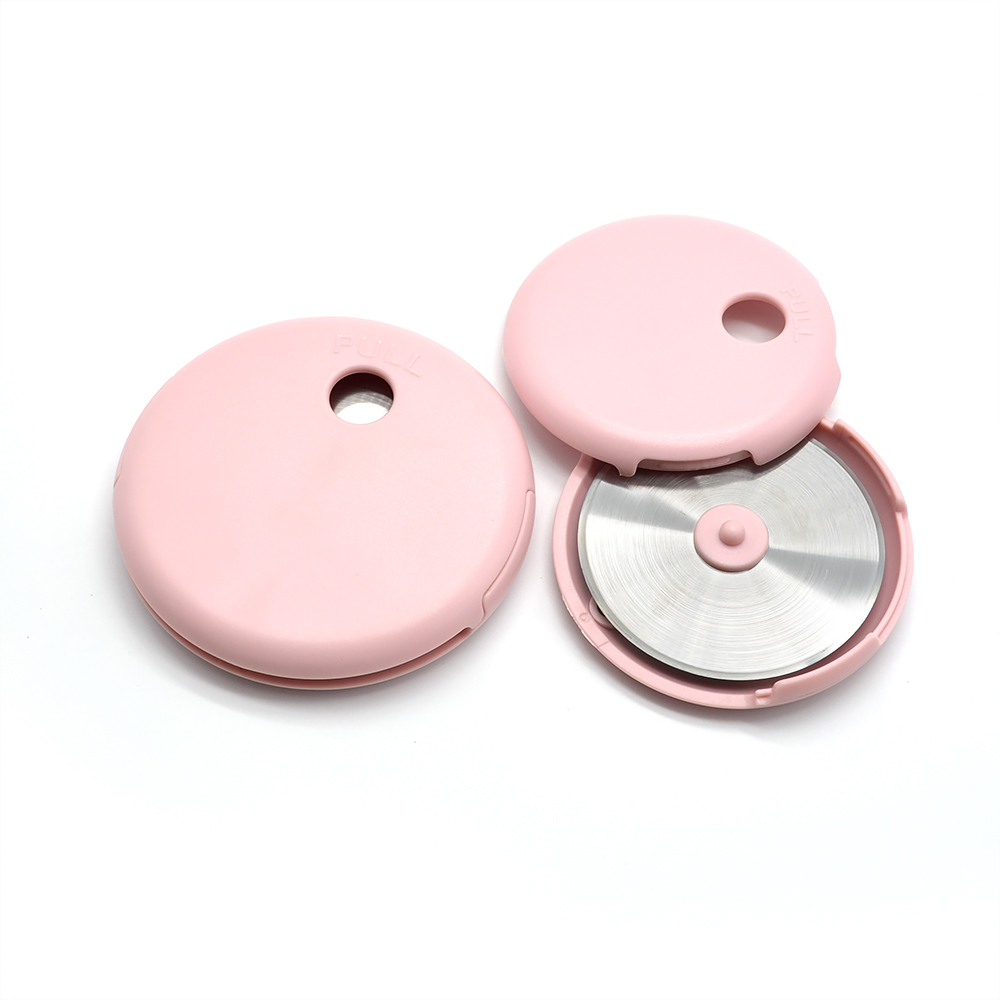
Modern Pizza Cutter: Design, Safety and Clean Slicing
A pizza cutter looks simple, but the right design can make a noticeable difference in how cleanly a pizza is sliced, how safe the tool feels in the hand and how quickly it can be cleaned after use. The original product description highlights a modern pizza cutter with a vibrant green rounded handle, an ergonomic grip, a sharp stainless steel rotating blade, partial blade coverage when not in use and a pull-to-clean feature. Those details point to the core qualities many home users should look for: control, safety, durability and easy maintenance.
This guide explains how to evaluate a pizza cutter for everyday kitchens, family meals, parties and takeout nights. It is not about buying the most complicated tool; it is about choosing a cutter that matches how you actually prepare, serve and clean up after pizza.
Key Takeaways
- A sharp rotating blade helps reduce dragging, torn toppings and uneven slices.
- A rounded ergonomic handle can improve control, especially on thicker crusts.
- Partial blade coverage and careful storage matter in kitchens with children or crowded drawers.
- An easy-clean or pull-to-clean design can save time, but users should still remove food residue promptly.
- Compact size is useful for storage, picnics, parties and takeout meals.
What Makes a Modern Pizza Cutter Useful?
A good pizza cutter should do one job well: cut through crust, cheese and toppings with minimal pressure. Traditional knives often push toppings aside, while poorly designed wheels can wobble or require repeated passes. A modern rotating pizza cutter is designed to roll through the pizza, keeping the cut line cleaner and reducing mess on the board or tray.
The product described in the source article combines a compact body with a rounded handle and a stainless steel rotating blade. Stainless steel is commonly chosen for cutting tools because it is strong, practical for kitchen use and relatively easy to clean. The rounded handle is also important. When a cutter fits comfortably in the palm, users can apply steady pressure without twisting the wrist too much.
For home kitchens, the best pizza cutter is not only sharp on day one. It should feel stable during use, be simple to rinse or wash and be safe enough to store without exposing too much blade edge.
Blade and Handle: The Two Features to Check First
The blade determines how well the cutter performs; the handle determines how confidently you can use it. A sharp rotating blade should move smoothly without catching. If the wheel sticks, tilts or feels loose, the cutter may crush soft crust or smear toppings rather than slicing cleanly.
The source description mentions a stainless steel rotating blade and a vibrant green, rounded handle. The color helps the tool stand out in a drawer, but the shape is more important for everyday use. A rounded handle can support a firm grip from multiple angles, which is helpful when cutting different pizza styles, from thin crust to thicker homemade dough.
When comparing cutters, hold the tool as if you are cutting. Ask yourself whether the grip feels secure, whether your fingers are kept away from the blade path and whether the wheel looks aligned with the handle. A cutter that feels awkward when dry may feel even less stable when your hands are oily or wet.
Comparison Checklist for Choosing a Pizza Cutter
| Feature to Check | Why It Matters | What to Look For |
|---|---|---|
| Rotating blade | Helps create smooth, continuous cuts | A wheel that spins freely without wobbling |
| Blade material | Affects durability and cleaning | Stainless steel if specified by the product |
| Handle shape | Improves control and comfort | Rounded or ergonomic grip that feels stable |
| Blade coverage | Supports safer storage and handling | Partial blade cover or guarded design when not in use |
| Cleaning method | Reduces time spent removing cheese and sauce | Easy-access or pull-to-clean structure |
| Size | Affects storage and portability | Compact design that fits drawers or travel kits |
How to Use a Pizza Cutter for Cleaner Slices
Even a well-designed cutter works better with the right technique. Let the pizza rest briefly after baking so the cheese settles and the crust firms slightly. If you cut immediately while the cheese is extremely hot, toppings may slide and sauce may spread.
- Place the pizza on a stable cutting board, pan or serving tray.
- Hold the rounded handle firmly with your fingers away from the blade.
- Start at the edge and roll in one steady motion across the pizza.
- Apply even pressure rather than forcing the blade downward.
- For thick crusts, make a second pass along the same line instead of sawing back and forth.
- Wipe the blade between cuts if heavy cheese or toppings build up.
For best results, cut from edge to edge rather than stopping in the middle. This keeps slice shapes more consistent and helps separate the crust fully.
Safety Considerations for Family Kitchens
Pizza cutters are often used during casual meals, but they still include a sharp blade. The source article notes that this design partially conceals the blade when not in use, which can offer extra reassurance, especially in homes with children. Partial blade coverage does not remove the need for careful handling, but it can reduce accidental contact during storage or cleanup.
Store the cutter in a location where the blade will not rub against other utensils or be grabbed blindly. If it is kept in a drawer, consider placing it in a dedicated section or utensil organizer. After washing, dry it before storage to reduce water spots and keep the mechanism moving smoothly.
Children should not use a pizza cutter without supervision. If they help serve pizza, let an adult make the cuts first, then allow children to transfer slices with a spatula or tongs.
Cleaning and Care Tips
Cheese, sauce and oil can collect around the blade axle, so cleaning should happen soon after use. The original article mentions a pull-to-clean feature, which suggests easier access to areas where residue may build up. Follow the product’s care instructions if provided, especially before placing any cutter in a dishwasher.
A practical cleaning routine includes rinsing the blade under warm water, using a soft brush or sponge around the wheel and drying the cutter thoroughly. Avoid leaving it soaking for long periods, because trapped moisture can affect moving parts over time. If the blade feels less smooth after repeated use, check whether dried cheese or dough is lodged near the rotating point.
When a Compact Pizza Cutter Makes Sense
A compact pizza cutter is useful beyond standard homemade pizza. It can be packed for outdoor meals, used for flatbreads, quesadillas, pastry sheets or certain sandwiches, and kept on hand for takeout nights. The source article notes portability, which is valuable if storage space is limited or if the cutter is used for gatherings.
However, compact does not mean flimsy. The cutter should still feel solid in the hand and provide enough leverage to cut through crust without forcing your wrist into an uncomfortable angle. If you regularly prepare large, thick pizzas, prioritize blade stability and grip comfort over appearance alone.
Practical FAQ
Is a rotating pizza cutter better than a knife?
For most pizzas, a rotating cutter is easier because it rolls through cheese and crust instead of dragging toppings. A knife can work, but it often requires more downward pressure and may disturb the toppings.
Can this type of cutter be used for foods other than pizza?
Yes, many people use pizza cutters for flatbreads, quesadillas, dough strips and pastry portions. Avoid using it on very hard foods that could damage the blade or strain the wheel.
How should I clean cheese from the blade area?
Rinse soon after use with warm water, then clean around the wheel with a sponge or soft brush. If the cutter includes a pull-to-clean function, use it as directed by the product instructions.
Is partial blade coverage enough for safe storage?
It helps, but safe storage still matters. Keep the cutter away from loose utensils, store it where the blade cannot be touched accidentally and keep it out of reach of young children.
What should I check before buying online?
Look for clear photos of the blade, handle and cleaning mechanism. Confirm whether the blade material is stated, whether the handle shape suits your grip and whether the seller provides care instructions.
Final Thoughts
A modern pizza cutter should make slicing easier without making storage or cleaning more complicated. Based on the explicit product details, the combination of a stainless steel rotating blade, rounded green handle, partial blade coverage and pull-to-clean design addresses the main concerns of everyday users: clean cuts, comfortable handling, safer storage and simple maintenance. Choose with your cooking habits in mind, then use and clean it consistently for the best long-term performance.
