




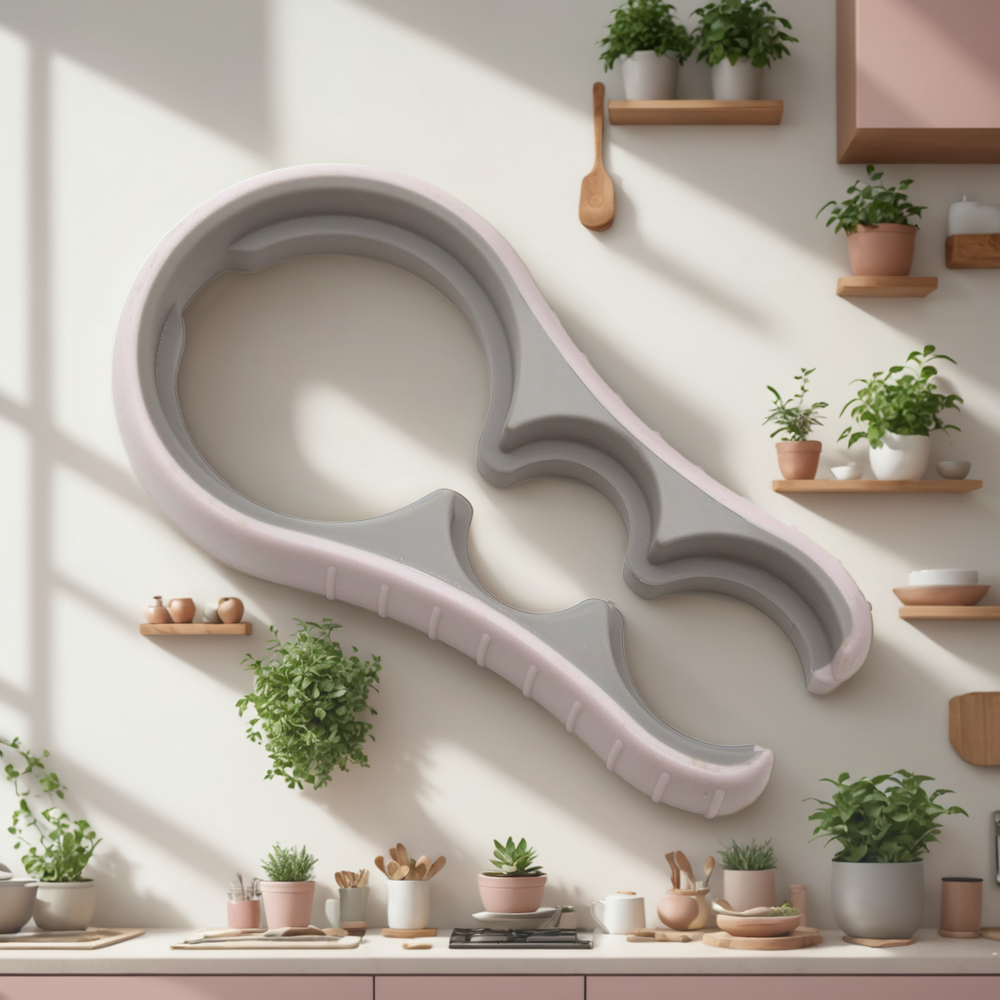
Multi-Function Jar Opener: A Practical Guide for Easier Lid Opening
Opening a tight jar should not require strained wrists, improvised tools, or repeated attempts under running water. A multi-function jar opener is a simple kitchen aid designed to improve grip and leverage on different lid sizes. It can be especially useful for people who cook frequently, users with reduced hand strength, seniors, and anyone who regularly handles condiment bottles, sauce jars, pickle jars, and pantry containers.
The original appeal of this type of tool is straightforward: it helps turn a frustrating kitchen task into a more controlled movement. Many modern versions also pay attention to comfort, with contoured shapes, textured grip areas, and compact profiles that fit easily into a drawer. Some designs use dual-tone colors, such as soft lilac and gray, or a matte surface that can feel secure in the hand. The best choice, however, depends less on appearance and more on whether the opener fits your common lid sizes and is comfortable for repeated use.
Key Takeaways
- A multi-function jar opener is most useful when it offers several gripping openings for different lid diameters.
- Ergonomic shape, anti-slip texture, and leverage matter more than decorative styling.
- Users should match the opener to the jars they actually use, from small bottles to larger pantry jars.
- Cleaning and storage are important because residue can reduce grip over time.
- If buying for older adults or people with hand pain, test comfort and required force before relying on it daily.
What a Multi-Function Jar Opener Does
A multi-function jar opener typically uses shaped openings or gripping edges to hold a lid more securely than bare hands can. Instead of pinching the lid directly, the user places the appropriate opening around the cap or lid and twists the handle. This increases leverage and can reduce the effort needed to break the seal.
The tool is not only for large jars. Depending on the design, it may help with small condiment caps, medium sauce jars, beverage bottle lids, or wider food jars. The term multi-function usually refers to this range of lid sizes, not to a guarantee that one tool will open every container. Before purchasing, it is wise to compare the opener’s openings with the lids you use most often.
How to Choose the Right Jar Opener
For a consumer-facing kitchen tool, selection should start with real use cases. A person who mostly opens small bottles needs a different grip profile from someone who prepares bulk foods in large jars. Look at your refrigerator and pantry before choosing.
- Check lid size range: The opener should fit the smallest and largest lids you commonly handle.
- Assess grip comfort: A smooth shape with textured grooves can help, but the handle should not feel awkward or sharp.
- Consider hand strength: If grip is limited, choose a design that provides broad contact and good leverage.
- Look at cleaning needs: Food residue can collect in grooves or openings, so choose a shape you can rinse and dry easily.
- Think about storage: A flat, lightweight opener is easier to keep in a utensil drawer or hang near a prep area.
Comparison Checklist for Everyday Buyers
The table below can help you compare models before buying online or in a store. Because product details vary by supplier, confirm the information on the packaging or product page instead of assuming every opener has the same features.
| Selection Point | Why It Matters | What to Check |
|---|---|---|
| Number of openings | More openings can support more lid sizes. | Compare opening shapes with your common jars and bottles. |
| Grip texture | Texture can reduce slipping during twisting. | Look for grooves, rubber-like contact areas, or molded grip zones if listed. |
| Handle shape | Comfort affects control, especially with tight seals. | Hold it if possible and check whether your fingers sit naturally. |
| Material information | Durability and feel depend on construction. | Read the stated material; do not assume grade or heat resistance unless specified. |
| Cleaning method | Residue can reduce performance. | Check whether the supplier states hand-wash or dishwasher guidance. |
| Storage profile | Bulky tools are less likely to be used daily. | Choose a size that fits your drawer, hook, or countertop organizer. |
Using a Jar Opener Safely and Effectively
Correct use makes a noticeable difference. First, dry the lid and the opener, because moisture can make both surfaces slippery. Select the opening that fits the lid snugly without forcing it. Place the opener level over the lid, apply steady downward pressure, and twist slowly. Sudden jerking can cause the tool to slip or the jar to tip.
If the lid does not move, do not keep increasing force indefinitely. Try improving friction by drying the lid again, repositioning the opener, or gently tapping around the lid edge with a utensil to help release the seal. Avoid using knives or sharp tools under the lid; they can bend, slip, or damage the container. If a jar is cracked, swollen, leaking, or suspicious, do not open it for food use.
Who Benefits Most from This Tool?
A multi-function jar opener is useful in many kitchens, but some users benefit more than others. People with arthritis, weak grip, wrist discomfort, or temporary injuries may find that added leverage reduces strain. It can also be helpful for busy home cooks who open multiple containers while preparing meals.
Families may appreciate a tool that allows different household members to open jars without asking for help. For small kitchens, the advantage is that one compact item can replace several improvised solutions, such as rubber bands, towels, or pliers. Still, it should be viewed as an aid rather than a guarantee. Very large lids, damaged caps, vacuum-sealed jars, or slippery surfaces may still require alternative methods.
Care, Cleaning, and Storage Tips
Like any kitchen accessory, a jar opener performs better when kept clean. After use, rinse away sticky sauce, oil, brine, or sugar residue. Dry it thoroughly before placing it back in a drawer, especially if the design includes textured grooves where moisture can remain. If the manufacturer provides cleaning instructions, follow them rather than assuming it is dishwasher safe.
- Store it where you naturally open jars, such as near a prep counter or utensil drawer.
- Do not leave it pressed under heavy cookware that could distort its shape.
- Inspect gripping edges periodically for wear, cracking, or residue buildup.
- Replace the tool if it no longer grips securely or feels unstable during use.
Design and Appearance: Useful, but Secondary
Modern jar openers often look more refined than older utility tools. A dual-color design, a matte finish, or a compact curved shape can make the item pleasant to keep in a visible kitchen space. These details are welcome, but they should not distract from the core job: stable grip, comfortable handling, and compatibility with your containers.
When comparing options, prioritize function first. A stylish opener that does not fit your common jars will stay in the drawer. A plain-looking opener that grips well, cleans easily, and feels comfortable will be used often.
Practical FAQ
Can one multi-function jar opener open every lid?
No. It can cover several lid sizes, but unusually large, tiny, damaged, or nonstandard lids may not fit. Check the opening range before buying.
Is it suitable for people with arthritis?
It may help by improving leverage and reducing direct grip effort, but comfort varies. If possible, choose a model that can be tested in hand and does not require a tight pinch.
How do I stop the opener from slipping?
Dry the lid and tool, choose the closest fitting opening, keep the opener level, and twist with steady pressure. Clean any oily residue from the grip area.
Should I choose plastic, metal, or a soft-grip design?
Each can work if designed well. Review the supplier’s stated materials and care instructions. Do not assume durability, heat resistance, or dishwasher safety unless the product information confirms it.
When should I replace a jar opener?
Replace it if the gripping surfaces are worn, the body is cracked, it slips frequently, or it no longer feels stable during twisting.
