




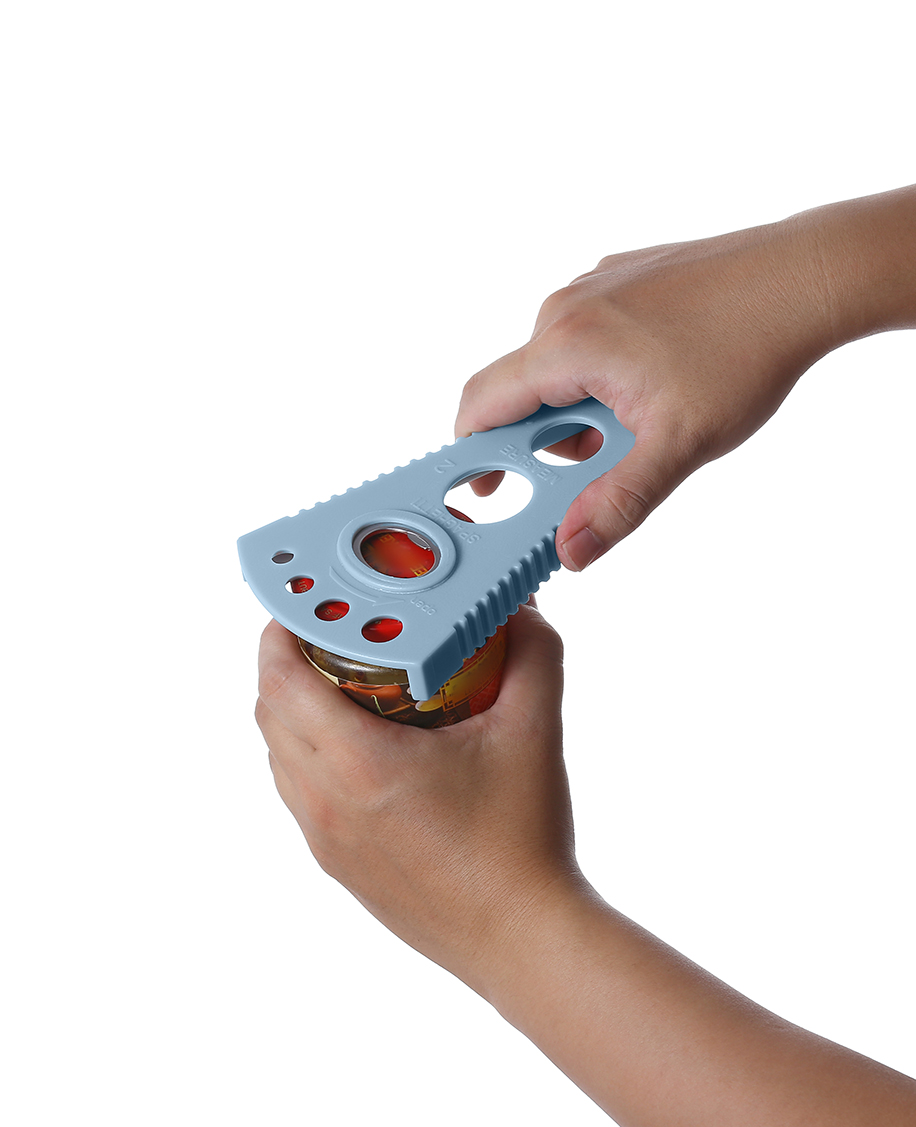
Multi-Functional Can Opener Factory: Industry Trends and Sourcing Insights
Multi-functional kitchen tools are no longer a niche category. Retail buyers, importers, distributors, and private-label brands increasingly look for compact products that solve more than one everyday problem. A multi-functional can opener is a good example: shoppers may expect it to help with cans, stubborn jar lids, and other common opening tasks while remaining simple to hold and easy to store.
For B2B buyers, the product concept is only one part of the decision. The more important question is whether the factory behind the item can produce a consistent, user-friendly, and commercially suitable tool. This guide explains current industry trends, what to ask a can opener factory, and how to compare suppliers without relying on vague marketing claims.
Key Takeaways
- Demand is shifting from single-purpose openers toward compact tools that can handle multiple lid and can-opening tasks.
- Ergonomics, leverage, grip comfort, and durability should be reviewed before placing a wholesale or OEM order.
- Buyers should ask suppliers for material details, sample policies, packaging options, inspection processes, and test reports where relevant.
- A good sourcing process compares factories on repeatable production capability, not only unit appearance or quoted price.
Why Multi-Functional Openers Are Gaining Attention
Modern kitchens are crowded with tools, so consumers often prefer products that save drawer space. A can opener that also assists with jar lids or other sealed containers can be easier to position in retail as a practical household item. The trend also reflects changing user needs. Some consumers want better leverage because tight lids are frustrating; others may have limited hand strength and need a tool that reduces strain.
Design details matter. The original product discussion highlighted features such as a matte finish, an easy-to-hold non-slip grip, and an innovative structure designed to provide leverage. These are useful selling points only when they are supported by real samples and clear product information. For sourcing teams, the goal is to confirm whether the design performs consistently across production batches.
What Buyers Should Evaluate in a Can Opener Factory
When reviewing a multi-functional can opener factory, start with capabilities rather than catalog photos. A supplier may show an attractive tool, but B2B buyers need to know how it is made, how quality is controlled, and what can be customized for the target market.
Important supplier questions include:
- What materials are used for the handle, gripping area, and functional parts?
- Can the factory provide production samples before order confirmation?
- Which dimensions, colors, finishes, packaging formats, or logo options can be customized?
- How does the factory check grip performance, surface finish, and assembly consistency?
- Are product drawings, packaging dielines, or inspection standards available for review?
- What documents can the supplier provide for the buyer’s market requirements?
A responsible buyer should avoid assuming material grade, certification status, or compliance coverage unless the supplier provides documentation. If a product will be sold through major retailers or online marketplaces, confirm applicable testing and labeling requirements early.
Product Design Features That Affect User Experience
The best multi-functional opener is not always the most complex one. For everyday users, comfort and intuitive operation are often more important than adding extra functions. A practical design should help the user select the correct gripping hole, place the tool securely, and twist with steady pressure.
For jar-opening use, strategically sized gripping holes can help accommodate different lid diameters. For can-opening or seal-breaking tasks, the handle should provide enough leverage without forcing the user into an awkward wrist position. A non-slip grip can also improve control, especially when hands are damp or when the lid is tight.
During sample evaluation, test the product with a range of common containers from the target market. Ask multiple users to try it, including people with different hand sizes. Record whether the tool slips, bends, feels uncomfortable, or requires too much force. This simple usability review can reveal problems before a large order is placed.
Supplier Comparison Checklist
| Evaluation Area | What to Check | Questions to Ask the Factory |
|---|---|---|
| Product function | Can-opening support, jar-lid grip, leverage, ease of use | Which lid sizes and use cases has the design been tested with? |
| Ergonomics | Handle shape, grip comfort, slip resistance, wrist angle | Can you provide samples for user testing before mass production? |
| Materials | Strength, surface finish, odor, flexibility, long-term wear | What material specifications can you document? |
| Customization | Color, finish, logo, packaging, instruction insert | What customization options are available, and what are the order requirements? |
| Quality control | Incoming material checks, in-process inspection, final inspection | What inspection steps are used, and can reports be shared? |
| Export readiness | Carton packing, barcode needs, market documentation | What packaging and documentation can be prepared for our sales channel? |
OEM and Wholesale Sourcing Tips
For OEM or wholesale projects, define the product requirement before requesting a quote. A vague inquiry often leads to pricing that cannot be compared fairly. Instead, provide the intended sales channel, target retail positioning, preferred color or finish, packaging type, estimated order volume, and any market requirements you already know.
Ask for a sample approval process. Buyers should confirm the approved sample’s dimensions, color, finish, packaging, and function before production begins. If the factory offers multiple similar opener designs, compare them side by side. A slightly stronger handle or more comfortable grip may reduce returns and improve customer satisfaction.
Price is important, but it should not be the only criterion. A very low quotation may indicate changes in material, packaging, inspection level, or after-sales support. Clarify exactly what is included in the price, including packaging, labeling, carton specifications, and any customization work.
How to Maximize the Tool’s Practical Value
For end users, a multi-function jar and can opener works best when used with the correct opening position. Select the gripping hole that fits the lid securely, place it over the lid, hold the ergonomic handle firmly, and apply a steady twisting motion. The purpose of the design is to use leverage so the user does not need to rely only on hand strength.
Brands and retailers should include clear instructions on packaging or inserts. Simple diagrams can reduce misuse and make the product easier to understand at first use. If the opener has different gripping areas, label them clearly so customers know which part to use for small lids, large lids, or seal-breaking tasks.
Common Sourcing Mistakes to Avoid
- Choosing by appearance only: A matte finish or modern shape is useful, but performance should be tested with real containers.
- Skipping sample testing: Always check grip, leverage, and comfort before confirming mass production.
- Assuming compliance: Ask the supplier what documents are available for the destination market.
- Ignoring packaging: Clear instructions, barcode placement, and protective packing affect retail readiness.
- Comparing unclear quotes: Make sure each supplier quotes the same product version and packaging scope.
Practical FAQ
What makes a can opener factory suitable for B2B sourcing?
A suitable factory should be able to provide samples, explain material choices, support consistent production, discuss customization options, and share quality-control procedures. Buyers should request documentation rather than relying on general claims.
Can one opener really work for different jar lids?
Many multi-functional openers use different gripping holes or contact points to fit a range of lid sizes. However, buyers should test actual samples with common containers in their target market before placing bulk orders.
What should I ask before ordering an OEM version?
Ask about logo methods, available colors, finish options, packaging formats, sample lead time, order requirements, inspection standards, and what files or artwork the factory needs from you.
How can retailers reduce customer complaints?
Choose a design that is comfortable to hold, test it for slipping or bending, and provide clear use instructions. Packaging should show how to choose the correct gripping area and how to twist with steady pressure.
Should buyers prioritize the lowest price?
Not always. Compare price together with materials, packaging, quality checks, customization support, and communication reliability. A clear, consistent supplier can be more valuable than the lowest initial quote.
